Australian Cultural Development
FirstNations Development
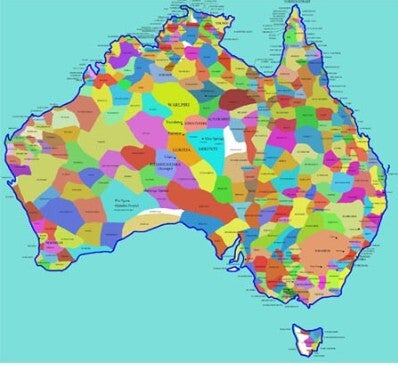
First Nations representation is growing but remains a complex issue, marked by increasing numbers of elected officials at all government levels. The current representation & efforts like the proposed federal Aboriginal and Torres Strait Islander Voice and state based First Nations Voice to Parliament models are in place First Nations people where not given the chance to elect its own member. While many Indigenous individuals serve as elected members of Parliament, will be elected by the public, The various structures aim to create Elected pathways, these initiatives also navigate challenges like historical disenfranchisement, ensuring effective and equal participation, and achieving self-determination governance over their own issues. We aim to create elected members by their tribe, and region. This will form a commission, for each tribe to elect their own represented member on a local, state and Federal basis of government, and will be the presiding body. This will help form a national treaty agreement in time and will also act in conjunction with the govern general, before the crown and will have to be in agreement with issues before things change.
The commission will have specific powers in the following area's such as ;
First nations Summit representations
First nations Funds allocations
First Nations community services
First nations land rights
First Nations educational, employment pathways and Business
First Nations Laws and Reform and governance
First Nations intergovernmental relations.
The body will have a presiding vote into the following area's and must pass the commission before new laws or law reforms can be passed.
Immigration
Freedoms
Law reform where legislation doesn't agree with constitution
National Treaty
Racial awareness
Natural resources allocations
The first step in this process is for each tribe to find their elected members and identify their issues that needs to be raised.

Cultural Development
-
A 5-year plan to renew the arts, entertainment, music, arts and cultural sectors through initiatives like funding for national broadcasters, a screen production offset, and support for community broadcasting.
-
Policies celebrate cultural diversity as a source of national strength and aim to ensure government services are accessible and equitable for people of all cultural and linguistic backgrounds. This includes initiatives like a national anti-racism strategy, strengthening the access and equity framework, and support for multicultural arts and festivals.
-
Policies include protecting both tangible and intangible cultural heritage through various laws and funding for cultural institutions like galleries, libraries, and museums.
-
Government policies support the growth of creative industries through things like location offsets for screen productions and promoting Australian stories both domestically and internationally.
-
Funding and infrastructure:Government funding is provided for national broadcasters like the ABC and SBS, as well as for community broadcasting programs and cultural institutions.
-
Career development:There are policies to support artists and arts workers through career structures, vocational pathways, and fair remuneration.
-
International engagement:The government uses cultural diplomacy to promote Australian arts and culture on the world stage.
Religous Development
Introduced with the Religious Discrimination (Consequential Amendments) Bill 2021 and Human Rights Legislation Amendment Bill 2021, the bill: prohibits discrimination on the basis of a person’s religious belief or activity in a range of areas of public life, including in relation to employment, education, access to premises and the provision of goods, services and accommodation; establishes general and specific exceptions from the prohibition of religious discrimination; provides that certain statements of belief do not constitute discrimination for the purposes of certain specified Commonwealth, state or territory anti-discrimination laws; creates offences in relation to victimization and discriminatory advertisements; establishes the office of the Religious Discrimination Commissioner; confers certain functions on the Australian Human Rights Commission; and provides for miscellaneous matters including delegation of powers or functions, protection from civil actions and a review of the operation of the Act.
The most beautiful inspiration about our diverse culture is that we encourage families from different ethnic groups to practice their beliefs that fits progressive Australian style within our laws and our culture.
Oliver Hartman