National Cultural Renewal
Australia stands at a crossroads, not of crisis, but of opportunity. We are a nation built on courage, fairness, and the belief that every generation should leave the country stronger than they found it. Yet somewhere along the way, our shared story has been diluted—fragmented by division, weighed down by bureaucracy, and weakened by a culture that no longer reflects the best of who we are.
It is time to renew the Australian spirit.
A renewal grounded in unity, where we remember that our differences are not barriers but strengths, and that a nation moves forward only when its people move forward together.
A renewal built on responsibility, where contribution, effort, and integrity are not optional virtues but the foundations of a healthy society.
A renewal driven by capability, where Australia once again becomes a nation that builds, innovates, protects, and leads with confidence—economically, socially, and culturally.
And above all, a renewal of national confidence—the belief that Australia’s best days are not behind us, but ahead of us, waiting to be claimed by a people willing to stand tall and shape their future.
This is not just cultural reform. This is a national reset. A chance to restore what makes Australia strong, proud, and united.
The work begins now—with us, with our communities, and with a shared commitment to build a country worthy of the next generation.
Cultural Development
- Revive: Australia's National Cultural Policy: A 5-year plan to renew the arts, entertainment, music, arts and cultural sectors through initiatives like funding for national broadcasters, a screen production offset, and support for community broadcasting.
- Multiculturalism: Policies celebrate cultural diversity as a source of national strength and aim to ensure government services are accessible and equitable for people of all cultural and linguistic backgrounds. This includes initiatives like a national anti-racism strategy, strengthening the access and equity framework, and support for multicultural arts and festivals.
- Heritage protection: Policies include protecting both tangible and intangible cultural heritage through various laws and funding for cultural institutions like galleries, libraries, and museums.
- Creative industries: Government policies support the growth of creative industries through things like location offsets for screen productions and promoting Australian stories both domestically and internationally.
- Funding and infrastructure: Government funding is provided for national broadcasters like the ABC and SBS, as well as for community broadcasting programs and cultural institutions.
- Career development: There are policies to support artists and arts workers through career structures, vocational pathways, and fair remuneration.
- International engagement: The government uses cultural diplomacy to promote Australian arts and culture on the world stage

National Identity, Unity & Social Cohesion
Australia’s cultural landscape has become increasingly fragmented, with competing narratives about identity, history, and belonging. This weakens social trust and fuels division.
Core Problems
-
Erosion of shared national values and civic identity
-
Increasing polarisation and cultural segmentation
-
Declining trust between communities and institutions
Reform Focus
-
Rebuild a shared Australian identity grounded in fairness, contribution, and mutual respect
-
Promote civic education, national history, and cultural literacy
-
Strengthen community‑building programs that bring diverse groups together

Institutional Culture, Accountability & Public Service Ethics
Many institutions—government, media, education, and corporate sectors—are seen as disconnected from the public they serve.
Core Problems
-
Bureaucratic cultures prioritising process over people
-
Declining transparency and accountability
-
Public perception of bias, elitism, or ideological capture
Reform Focus
-
Restore a service‑first culture across public institutions
-
Strengthen accountability, transparency, and performance standards
-
Rebuild trust through impartiality, evidence‑based decision‑making, and citizen‑centred service delivery

Family, Community & Social Responsibility
Cultural norms around responsibility, contribution, and community participation have weakened over time.
Core Problems
-
Declining family stability and community engagement
-
Rising social isolation and reduced intergenerational connection
-
Cultural drift away from responsibility, contribution, and mutual obligation
Reform Focus
-
Strengthen family‑centred policies and community‑based support systems
-
Promote cultural expectations around contribution, work, and responsibility
-
Rebuild local community networks, volunteering, and civic participation
-
CULTURAL REFORM
Australians United Government Reform & Change
Purpose & National Importance
Australia stands at a pivotal moment—not of crisis, but of opportunity. Our cultural foundations have weakened through fragmentation, declining trust, and competing narratives about who we are as a nation. Cultural Reform restores unity, responsibility, capability, and national confidence so Australia can move forward together.
This reform agenda renews the Australian spirit by strengthening shared values, rebuilding social cohesion, and ensuring our institutions reflect the people they serve. It is a national reset grounded in fairness, contribution, and mutual respect.

🎭 Culture Debates
Problem: National identity erosion, division, flag misuse AU Solution:
-
Australians Unified branding: restore official flag usage
-
Education portfolio: civic pride, national curriculum reset
-
PM&C: unified messaging, cultural cohesion
-
Treasury: funding aligned to national values

INSTITUTIONAL CULTURE & PUBLIC SERVICE ETHICS
Core Problems
-
Bureaucracies prioritising process over people
-
Declining transparency and accountability
-
Perceptions of bias, elitism, or ideological capture
Reform Focus
-
Restore a service‑first culture across institutions
-
Strengthen accountability and performance standards
-
Rebuild trust through impartial, evidence‑based decision‑making

FAMILY, COMMUNITY & SOCIAL RESPONSIBILITY
Core Problems
-
Declining family stability
-
Rising social isolation
-
Reduced intergenerational connection
Reform Focus
-
Strengthen family‑centred policies and community support systems
-
Promote cultural expectations around contribution, work, and responsibility
-
Rebuild local networks, volunteering, and civic participation

RELIGIOUS DEVELOPMENT
Legislative Framework
The Religious Discrimination legislative package:
-
Prohibits discrimination based on religious belief or activity
-
Establishes general and specific exceptions
-
Protects statements of belief under certain laws
-
Creates offences for victimisation and discriminatory advertising
-
Establishes the Religious Discrimination Commissioner
-
Confers functions on the Australian Human Rights Commission

Religous Development
Introduced with the Religious Discrimination (Consequential Amendments) Bill 2021 and Human Rights Legislation Amendment Bill 2021, the bill: prohibits discrimination on the basis of a person’s religious belief or activity in a range of areas of public life, including in relation to employment, education, access to premises and the provision of goods, services and accommodation; establishes general and specific exceptions from the prohibition of religious discrimination; provides that certain statements of belief do not constitute discrimination for the purposes of certain specified Commonwealth, state or territory anti-discrimination laws; creates offences in relation to victimization and discriminatory advertisements; establishes the office of the Religious Discrimination Commissioner; confers certain functions on the Australian Human Rights Commission; and provides for miscellaneous matters including delegation of powers or functions, protection from civil actions and a review of the operation of the Act.
CULTURAL Development
-
A 5-year plan to renew the arts, entertainment, music, arts and cultural sectors through initiatives like funding for national broadcasters, a screen production offset, and support for community broadcasting.
-
Policies celebrate cultural diversity as a source of national strength and aim to ensure government services are accessible and equitable for people of all cultural and linguistic backgrounds. This includes initiatives like a national anti-racism strategy, strengthening the access and equity framework, and support for multicultural arts and festivals.
-
Policies include protecting both tangible and intangible cultural heritage through various laws and funding for cultural institutions like galleries, libraries, and museums.
-
Government policies support the growth of creative industries through things like location offsets for screen productions and promoting Australian stories both domestically and internationally.
-
Funding and infrastructure:Government funding is provided for national broadcasters like the ABC and SBS, as well as for community broadcasting programs and cultural institutions.
-
Career development:There are policies to support artists and arts workers through career structures, vocational pathways, and fair remuneration.
-
International engagement:The government uses cultural diplomacy to promote Australian arts and culture on the world stage.
What we do
We offer a range of specialized services tailored to meet your individual needs. Our approach is focused on understanding and responding to what you require, providing effective and practical solutions.

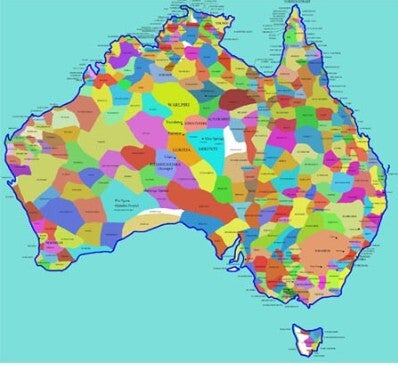
Cultural Development
-
A 5-year plan to renew the arts, entertainment, music, arts and cultural sectors through initiatives like funding for national broadcasters, a screen production offset, and support for community broadcasting.
-
Policies celebrate cultural diversity as a source of national strength and aim to ensure government services are accessible and equitable for people of all cultural and linguistic backgrounds. This includes initiatives like a national anti-racism strategy, strengthening the access and equity framework, and support for multicultural arts and festivals.
-
Policies include protecting both tangible and intangible cultural heritage through various laws and funding for cultural institutions like galleries, libraries, and museums.
-
Government policies support the growth of creative industries through things like location offsets for screen productions and promoting Australian stories both domestically and internationally.
-
Funding and infrastructure:Government funding is provided for national broadcasters like the ABC and SBS, as well as for community broadcasting programs and cultural institutions.
-
Career development:There are policies to support artists and arts workers through career structures, vocational pathways, and fair remuneration.
-
International engagement:The government uses cultural diplomacy to promote Australian arts and culture on the world stage.