Victorian environment portfolio
Protecting Victoria's natural assets and building long-term ecological resilience. Our portfolio focuses on preserving native biodiversity, managing vital natural resources, supporting sustainable land stewardship, and safeguarding water security to ensure future generations inherit a thriving environment.

Protecting native species and ecosystems
Victoria's rich biodiversity sustains vital ecological balance, agricultural pollination, and indigenous wildlife habitats. We prioritise proactive conservation for vulnerable flora and fauna, safeguarding Victoria's unique natural heritage and building habitat corridors that fortify native wildlife against environmental pressures.
Water security and catchment stewardship
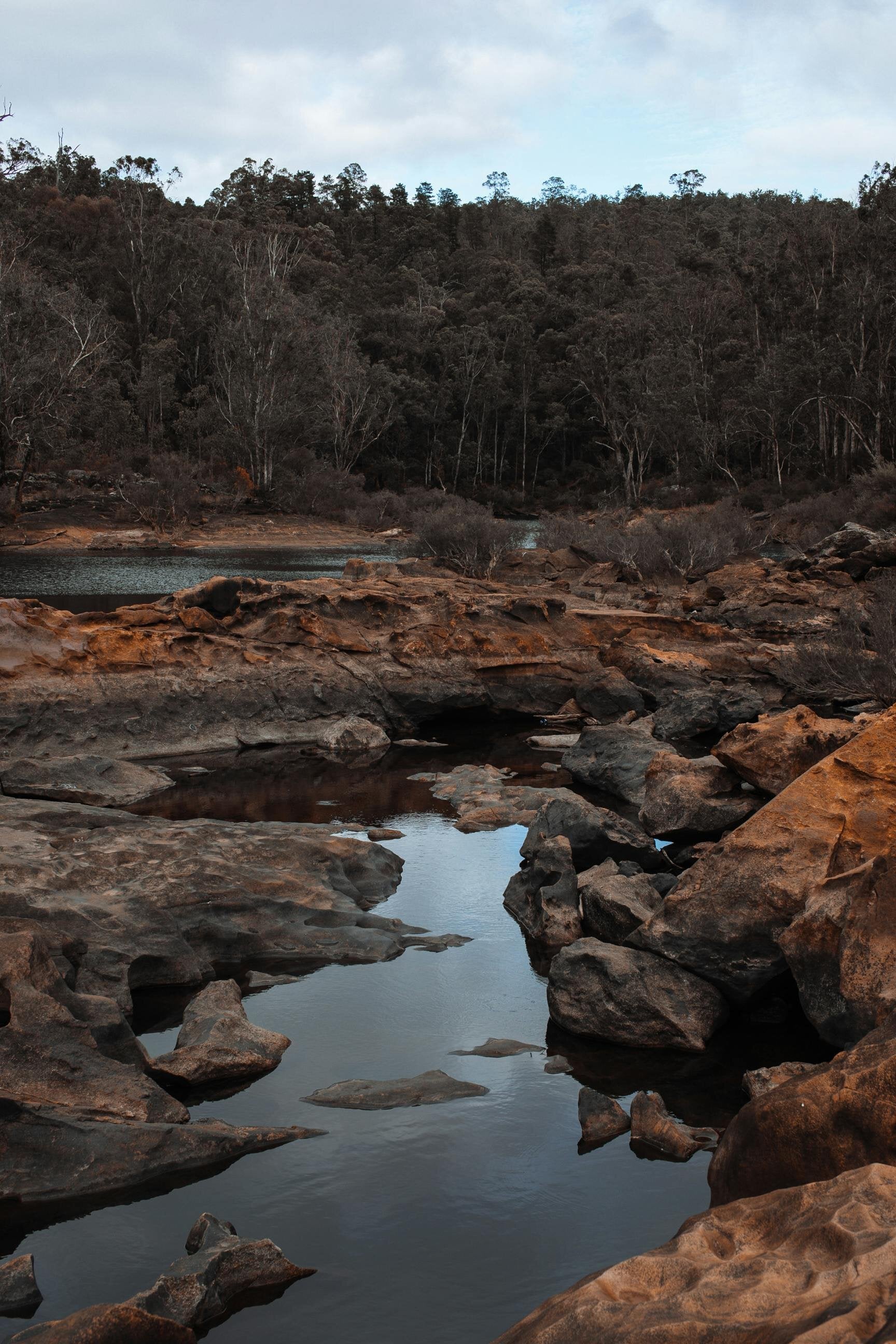
Reliable water systems are essential for healthy communities, sustainable farming, and thriving regional ecosystems. Our framework reinforces river health, safeguards inland catchments, and introduces modern conservation strategies to secure resilient freshwater networks across Victoria.

Sustainable land use and regional resilience
A healthy environment underpins long-term prosperity, public health, and sustainable regional industry. By balancing productive agriculture with land restoration and natural resource management, we ensure Victorian soils and landscapes remain resilient for decades to come.
Victorian environment portfolio focus areas
Protecting Victoria's natural assets, restoring biodiversity, advancing resource recovery, and building lasting climate resilience for future generations.
Parks, forests, and open spaces
Protecting significant Victorian landscapes across national parks such as the Grampians, Wilsons Promontory, and Alpine National Park. We focus on balanced recreation management, sustainable infrastructure upgrades, and bushfire recovery to safeguard cultural heritage and natural habitats.
Waste reduction and circular economy
Transitioning Victoria towards complete resource recovery and reducing landfill reliance. Through modern recycling infrastructure, regional recovery facilities, and initiatives like the Container Deposit Scheme, we ensure valuable resources remain in productive use.
Sustainable land stewardship
Supporting food security and ecosystem health by improving soil health and rehabilitating degraded landscapes. Partnering with Catchment Management Authorities and Landcare Victoria, our policies ensure proactive conservation planning across regional communities.
Climate resilience and disaster preparedness
Equipping Victorian communities to adapt to changing weather patterns, severe flood risks, and bushfires. We integrate long-term catchment planning, local resilience programs, and environmental risk management to build safer regional ecosystems.
Core environmental pillars for Victoria
Victoria's environment portfolio balances vital conservation with practical resource stewardship. We focus on protecting native ecosystems, securing clean water supplies, and building community climate resilience to secure our shared future.
Biodiversity and habitats
Safeguarding native wildlife, establishing continuous ecological corridors, and driving restoration initiatives across national parks like Alpine, Grampians, and Wilsons Promontory.
Water and catchments
Securing long-term water storage, safeguarding vital catchments such as Thomson Reservoir, and maintaining healthy flows through the Murray and Goulburn river basins.
Land and resilience
Promoting productive soil stewardship alongside Landcare, restoring degraded land, and preparing regional communities to endure bushfire and flood hazards.
Victorian environment challenges and reform FAQ
Explore how Australians Unified addresses major ecological pressures, balances land stewardship, and builds sustainable environmental resilience across Victoria.