Victorian emergency management portfolio
A dedicated showcase of our comprehensive framework for rapid crisis response, community resilience, and integrated emergency services across Victoria. Australians Unified presents strategic operational models built to protect every household when disaster strikes.
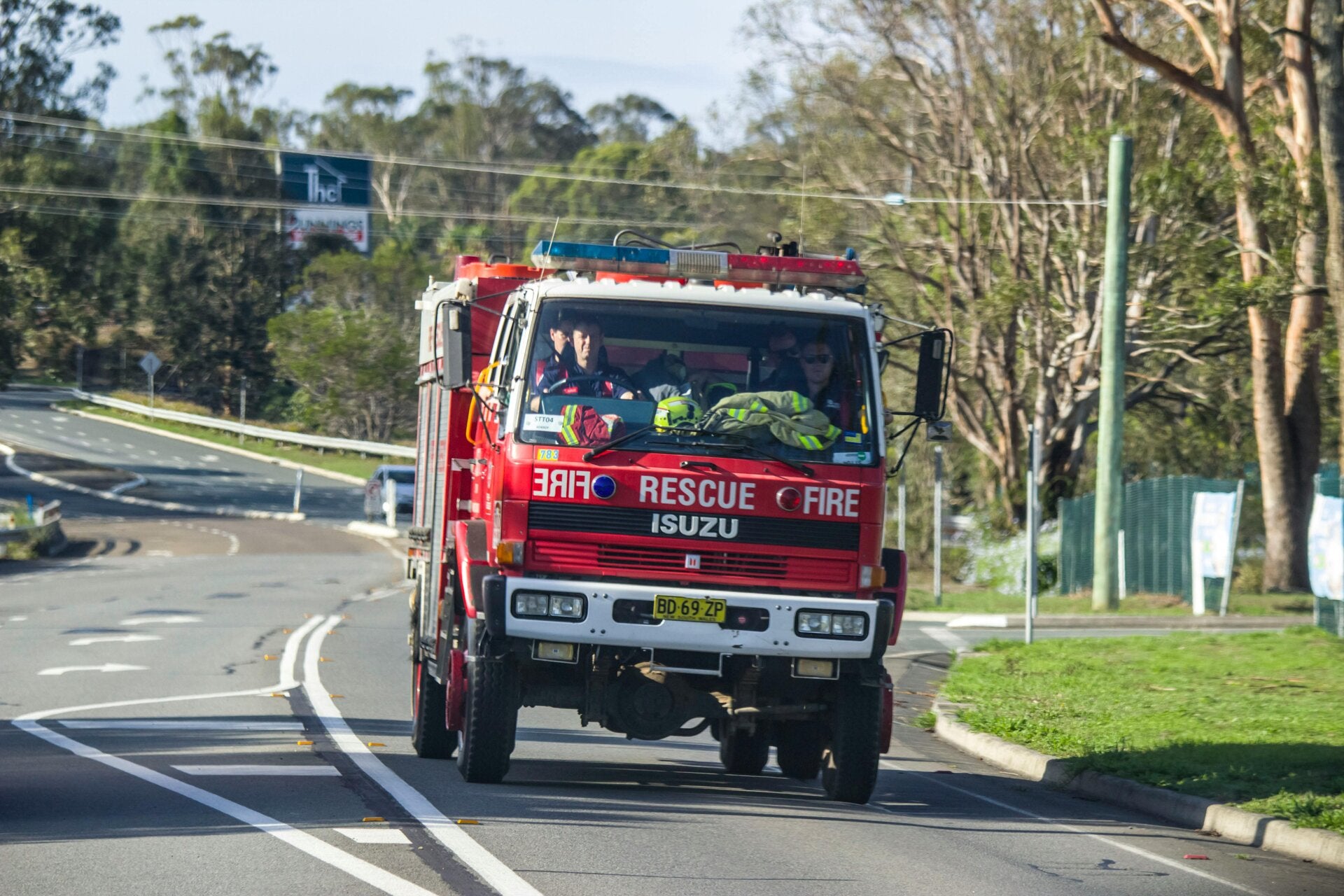
Rapid bushfire response and frontline readiness
Integrating regional brigades, modern communications, and coordinated resource deployment. Our portfolio emphasizes robust state-wide coordination, modern containment equipment, and rapid community early warning systems across vulnerable Victorian bushland.

Flood mitigation and storm resilience
Strengthening vital civil infrastructure, local drainage networks, and swift response units. We prioritize proactive catchment monitoring alongside local community volunteer units to keep Victorians safe during catastrophic seasonal weather events.

Community-led relief and recovery hubs
Empowering local councils, neighbourhood networks, and direct volunteer support. Crisis management succeeds through unity, establishing resilient supply chains, emergency food distribution, and long-term community rehabilitation facilities across the state.
Emergency management core sub-portfolios
Victoria's emergency management framework protects lives, critical infrastructure, and regional economies through structured coordination, proactive hazard mitigation, and resilient frontline response units.
Frontline emergency services and response
Supporting the Country Fire Authority (CFA), Victoria State Emergency Service (SES), Ambulance Victoria, and Triple Zero coordination. We champion volunteer sustainability, advanced equipment modernisation, and seamless multi-agency integration across suburban and regional communities.
Disaster coordination and search operations
Integrating state response planning, air support, and remote search and rescue missions. Coordinated inter-agency resource distribution ensures fast-acting operational control during severe compound disaster events.
Emergency communications and early alerts
Delivering critical public warnings, incident radio networks, and resilient telecommunications infrastructure. Clear, timely alerts empower Victorian households to enact evacuation plans when every second counts.
Local community resilience and recovery
Strengthening local resilience networks, grassroots volunteer initiatives, and comprehensive long-term recovery planning. We build enduring capability in towns and suburbs to withstand, adapt to, and recover from crisis events.
Reforms, challenges, and strategic opportunities
Victoria faces evolving disaster conditions, including longer bushfire windows, acute flood risks, and critical volunteer pressures. Australians Unified delivers actionable governance reforms to reinforce frontline capabilities, inter-agency coordination, and long-term community resilience across the state.
Current state challenges
Victoria contends with extending fire seasons, vulnerable regional infrastructure, volunteer workforce fatigue across CFA and SES, and mounting recovery expenses following major seasonal disaster events.
Unified reform opportunities
We champion updated flood mapping, proactive fuel management, modernized emergency equipment, expanded local Fireguard initiatives, and clear multi-agency operational frameworks.
Community resilience and recovery
Long-term protection requires empowering local councils, expanding grassroots volunteer recruitment, and maintaining resilient emergency communications for regional households.
Emergency management frequently asked questions
Explore how Victoria’s emergency management portfolio coordinates bushfire management, flood mitigation, frontline emergency services, disaster response, and long-term community resilience.