National Security and Development Overview
Australians Unified has created an overview of Australia’s National Security & Home Affairs system, written in simple language but with real strategic depth. It’s designed to educate and explain to everyday readers the challenges we face.
National Security & Home Affairs: How Australia Protects Itself
Australia’s safety relies on a network of departments and agencies that work together to protect our borders, our people, and our national interests. Here’s a simple breakdown of who does what — and the major challenges they face today.

National Security System (Whole‑of‑Government)
Australia’s national security isn’t run by one department — it’s a coordinated system led by the Prime Minister and supported by Defence, Home Affairs, intelligence agencies, and the AFP.
What it does
-
Protects Australia from terrorism, espionage, and foreign interference
-
Defends against cyber attacks
-
Safeguards critical infrastructure (energy, water, transport, communications)
-
Coordinates intelligence and national‑security strategy
-
Advises the Prime Minister and Cabinet on emerging threats
Major Challenges
-
Increasing foreign interference targeting politics, universities, and business
-
Rapidly growing cyber threats
-
Capability gaps in defence, cyber, and intelligence
-
Slow, centralised decision‑making
-
Under‑resourced agencies facing expanding workloads
-
Heavy reliance on foreign technology and supply chains

Department of Home Affairs
Home Affairs is Australia’s central civilian security department. It handles borders, visas, cyber policy, and domestic security.
What it does
-
Border protection and immigration integrity
-
Counter‑terrorism and counter‑extremism
-
Cyber‑security policy and critical‑infrastructure protection
-
Visa enforcement and citizenship
-
Emergency management and national resilience
-
Works closely with AFP, ASIO, and state police
Major Challenges
-
Visa system exploitation and student‑visa rorts
-
Extremism and hate‑motivated violence amplified online
-
Slow, complex appeals system enabling overstays
-
Pressure on border operations from global instability
-
Cyber vulnerabilities across government and industry
-
Community tensions linked to global conflicts
-
Staffing shortages in intelligence and enforcement

Department of Defence
Defence protects Australia militarily and builds the long‑term capability of the Australian Defence Force (ADF).
What it does
-
Defence of Australia and the Indo‑Pacific
-
Capability planning and procurement
-
Military operations, readiness, and training
-
Defence intelligence and strategic planning
Major Challenges
-
Slow procurement and major project delays
-
Cost blowouts in ships, submarines, and advanced systems
-
Limited sovereign manufacturing for missiles, drones, and munitions
-
Recruitment and retention shortages
-
Ageing northern‑Australia infrastructure
-
Mismatch between strategic threats and current capability

Migration & Citizenship Reform — Australians Unified
-
One comprehensive digital migration portal that streamlines the entire process
-
Significant cuts to non‑essential migration categories for improved focus and efficiency
-
Implementation of a strong national values test to reinforce our shared identity
-
A unified skilled pathway designed to attract the best talent from around the globe
-
Faster processing times alongside stronger integrity measures to ensure fairness
-
Reduced pressure on housing markets & essential services for local communities
-
Clear expectations for assimilation into Australian society, promoting a cohesive environment
Australians Unified National Security Policy Matrix
This page presents a clear, campaign-ready policy matrix that highlights critical national security shortfalls and Australians Unified's practical, strategic fixes. Designed for easy comprehension by voters, journalists, and stakeholders, it aligns with our commitment to sovereignty, resilience, and capability.
Overview
Australians Unified is committed to restoring and strengthening Australia's national security through targeted, practical reforms. This matrix identifies key areas where past governments have underfunded or delayed critical programs, and outlines our strategic fixes to ensure a sovereign, resilient, and capable Australia.
In Simple Terms
-
National Security sets the strategy and coordinates all agencies.
-
Home Affairs protects borders, visas, cyber, and domestic security.
-
Defence protects Australia militarily and builds long‑term capability.
All three face rising threats, slow bureaucracy, capability gaps, and under‑resourcing — the exact areas where strong reform is needed.
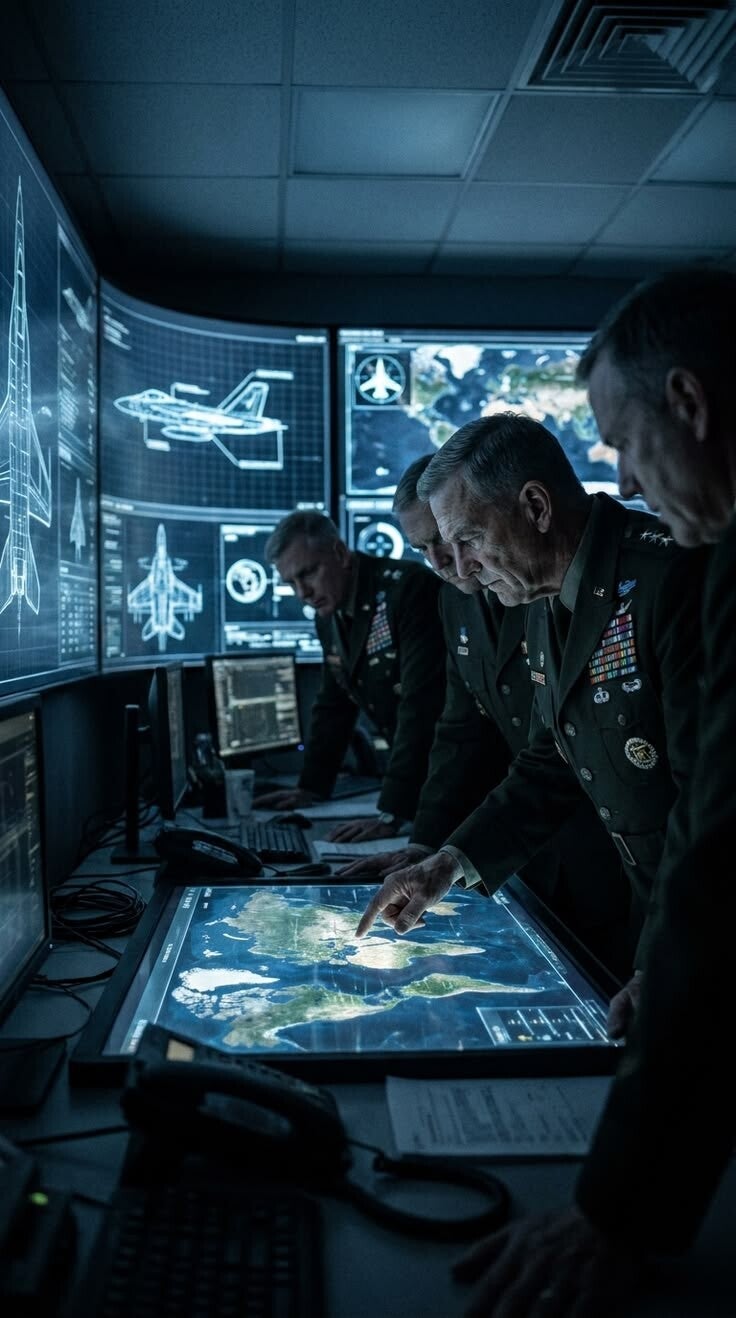
National Security (Whole‑of‑Government System)
Not a single department — a coordinated network led by PM&C, Defence, Home Affairs, AFP, ASIO, ASD, DFAT.
Core Functions
Protect Australia from terrorism, espionage, foreign interference.
Manage intelligence, cyber defence, and critical‑infrastructure security.
Coordinate national‑security strategy across all agencies.
Advise the Prime Minister and National Security Committee.
Major Challenges
Rising foreign interference targeting politics, universities, and critical infrastructure.
Cyber attacks increasing in scale and sophistication.
Capability gaps in long‑range strike, naval power, and cyber operations.
Slow decision‑making due to centralised bureaucracy.
Under‑resourced agencies (AFP, ASIO, ASD) facing expanding workloads.
Fragmented coordination between Defence, Home Affairs, and intelligence agencies.
Dependence on foreign technology for defence and cyber capability.

2. Department of Home Affairs
Australia’s central civilian security department.
Core Functions
Border security and immigration integrity.
Counter‑terrorism and counter‑extremism.
Cyber security policy and critical‑infrastructure protection.
Emergency management and national resilience.
Visa enforcement and citizenship.
Coordination with AFP, ASIO, and state police.
Major Challenges
Visa system exploitation (student‑visa rorts, organised crime infiltration).
Extremism and hate‑motivated violence amplified by online platforms.
Slow, complex appeals system enabling long overstays and loopholes.
Pressure on border operations from global instability and migration flows.
Cyber‑security vulnerabilities across government and private sectors.
Community tensions linked to global conflicts and misinformation.
Understaffing in intelligence, compliance, and enforcement roles.
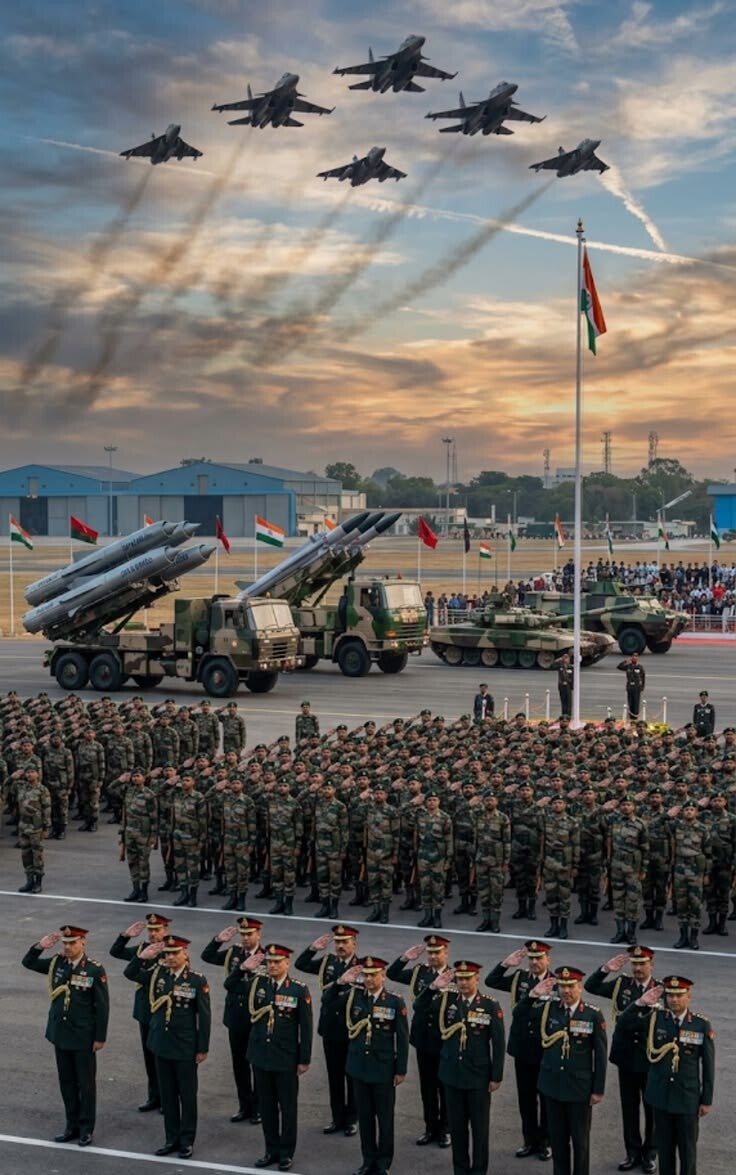
3. Department of Defence
Responsible for the ADF, capability development, and military strategy.
Core Functions
Defence of Australia and the Indo‑Pacific region.
Capability planning, procurement, and force structure.
Military operations, readiness, and training.
Defence intelligence and strategic planning.
Major Challenges
Slow procurement and major project delays.
Cost blowouts in ships, submarines, and advanced systems.
Sovereign manufacturing gaps in missiles, drones, and munitions.
Recruitment and retention shortages across the ADF.
Aging infrastructure in northern Australia.
Strategic mismatch between threats and current capability.
🎯 In Simple Terms
National Security sets the strategy and coordinates all agencies.
Home Affairs protects borders, visas, cyber, and domestic security.
Defence protects Australia militarily and builds long‑term capability.
All three face under‑resourcing, slow bureaucracy, foreign interference, cyber threats, and capability gaps — the exact areas your reform agenda targets.

National Security System
Role: Strategy, intelligence, cyber, critical infrastructure. Challenges:
-
Foreign interference
-
Cyber attacks
-
Slow decisions
-
Under‑resourced agencies
2. Home Affairs
Role: Borders, visas, domestic security, emergency management Challenges:
-
Visa rorts
-
Online extremism
-
Complex appeals
-
Cyber vulnerabilities
3. Defence
Role: Military capability, ADF readiness, Indo‑Pacific strategy Challenges:
-
Slow procurement
-
Cost blowouts
-
Sovereign manufacturing gaps
-
Recruitment shortages
ICON STRIP
Icons:
-
Shield (National Security)
-
Border Gate (Home Affairs)
-
Jet/Ship (Defence)
-
Cyber Lock (Cyber Security)
-
Parliament (Governance)
-
Australia Map (Sovereignty)
Caption: A strong Australia relies on strategy, borders, and defence working together.
KEY NATIONAL CHALLENGES
Foreign Interference
Targeting politics, universities, business, and infrastructure.
Cyber Threats
Attacks on government, industry, and essential services.
Capability Gaps
Delayed defence projects and foreign dependence.
Border Integrity
Visa exploitation, overstays, and weak enforcement.
WHY IT MATTERS
Australia’s security protects:
-
Our borders
-
Our economy
-
Our communities
-
Our sovereignty
-
Our future
Tagline: Strength. Stability. Sovereignty.
AUSTRALIANS UNIFIED POSITION
We stand for:
-
Faster decisions
-
Stronger borders
-
Modern defence
-
Sovereign capability
-
Smarter cyber protection
-
Transparent, accountable government
Footer: Australians Unified — Building a safer, stronger nation.
Australians Unified, based on public reporting, budget papers, and commentary from defense analysts, not personal opinion,
Have found the real vulnerabilities that face our national security and require policy reform and amendments to current plans.
Departments & Agencies Where Funding Was Cut, Frozen, or Criticized as Insufficient
Below is a structured list of national‑security areas where funding reductions, pauses, or shortfalls have been publicly highlighted.
1. National‑Security Think Tanks & Strategic Analysis Bodies
What happened
-
Funding for several national‑security research bodies was reduced or proposed to be cut, including the Australian Strategic Policy Institute (ASPI).
-
Analysts warned this weakens independent strategic advice during a period of rising regional tension.
Impact
-
Less independent analysis
-
Reduced long‑term planning capability
-
Weaker public understanding of threats
2. Defence Capability Programs (Delayed or Underfunded)
What happened
Not all cuts are explicit — many are delays, deferrals, or funding shifts, which have the same effect as cuts.
Public criticisms include:
-
Naval programs delayed, pushing capability into the 2030s
-
Long‑range strike programs underfunded relative to strategic needs
-
Army modernisation slowed
-
Northern base upgrades delayed
-
Procurement budgets reallocated, creating capability gaps
Impact
-
Slower modernisation
-
Reduced readiness
-
Capability gaps in the Indo‑Pacific decade
3. Australian Federal Police (AFP) — National Security & Cyber Divisions
What happened
-
AFP national‑security and cyber units have repeatedly reported resource shortages.
-
Workload has increased faster than funding, effectively creating a real‑term cut.
Impact
-
Slower investigations
-
Reduced counter‑terrorism capacity
-
Less ability to combat foreign interference and organised crime
4. ASIO (Australian Security Intelligence Organisation)
What happened
-
ASIO has warned publicly that demand is rising faster than funding, especially in counter‑espionage and foreign‑interference operations.
-
No explicit “cuts”, but funding has not kept pace with threat growth, which analysts describe as a functional shortfall.
Impact
-
Reduced ability to track foreign interference
-
Longer delays in security assessments
5. ASD (Australian Signals Directorate) — Cyber Defence
What happened
-
Cyber defence funding has increased in some areas, but several programs were delayed or re‑profiled, meaning money arrives later than originally planned.
-
Cyber analysts argue this is effectively a cut during a critical period.
Impact
-
Slower rollout of national cyber‑security upgrades
-
Delayed protection for critical infrastructure
6. Home Affairs — Border & Visa Enforcement
What happened
-
Compliance and enforcement units have faced staffing reductions and budget tightening.
-
Visa integrity teams have been described as under‑resourced by internal reviews.
-
Emergency management funding has fluctuated, with some programs reduced.
Impact
-
Weaker visa enforcement
-
Slower cancellations and investigations
-
Increased exploitation of student‑visa and migration pathways
7. Emergency Management Australia (EMA)
What happened
-
Several resilience and preparedness programs were reduced or consolidated, shifting responsibility to states.
-
Critics argue this weakens national‑level disaster readiness.
Impact
-
Reduced national coordination
-
Slower response capacity during major disasters
8. Critical Infrastructure Protection Programs
What happened
-
Some funding streams for critical‑infrastructure uplift were paused or re‑profiled, delaying upgrades.
-
Industry groups have warned this leaves gaps in energy, water, and transport security.
Impact
-
Higher vulnerability to cyber and physical threats
-
Slower national‑infrastructure modernisation
In Simple Terms
Australia’s national‑security system hasn’t faced one big cut — it has faced many small cuts, delays, and shortfalls across:
-
Strategic analysis
-
Defence capability
-
Cyber defence
-
Intelligence
-
Border enforcement
-
Visa integrity
-
Emergency management
-
Critical‑infrastructure protection
Costs and Time Frames for Implementation
-
National-Security Analysis: $50M - $100M AUD annually; 1-2 years to establish council and expand research
-
Defence Capability: $5B - $10B AUD over 5 years; 3-7 years for capability delivery and manufacturing build-up
-
ADF Infrastructure: $1B - $2B AUD; 2-4 years for base upgrades and modernisation
-
AFP National Security & Cyber Units: $200M - $400M AUD annually; 1-3 years for staffing and capability growth
-
ASIO Counter-Interference: $100M - $250M AUD annually; 1-2 years for resource scaling
-
ASD Cyber Defence: $300M - $600M AUD annually; 2-4 years for capability expansion
-
Home Affairs Visa Enforcement: $50M - $100M AUD annually; 1-2 years for rebuilding enforcement teams
-
Border Operations: $150M - $300M AUD annually; 1-3 years for capability and system upgrades
-
Emergency Management Australia: $100M - $200M AUD annually; 1-3 years for restoring national programs
-
Critical Infrastructure Security: $500M - $1B AUD; 2-5 years for security and resilience upgrades
MIGRATION & CITIZENSHIP REFORM — SHORTENED WITH NEWS EXAMPLES
1. Overview
Australia’s migration system is complex, fragmented and overloaded.
Australians Unified proposes a modern, unified, values‑based system that:
-
Cuts non‑essential migration
-
Strengthens skilled migration only where needed
-
Introduces a national values & assimilation test
-
Replaces multiple systems with one digital portal
-
Restores integrity, sovereignty and cohesion
2. Problems We Are Fixing
Systemic Issues
-
Long processing delays
-
Disconnected visa systems
-
Student visa exploitation
-
Inconsistent skilled pathways
-
Weak values enforcement
-
Housing & infrastructure overload
News Example
-
Government holding migration numbers steady amid public pressure
3. Core Reform: One National Migration Portal
Reform
-
One digital portal replacing all major visa systems, integrating skilled pathways + values test.
Analogy
One front door instead of a hallway of locked doors.
News Example
-
Australia rolling out digital migration overhaul, agent reform & biometrics expansion
4. Cutting Migration in Non‑Essential Areas
Reforms
-
Reduce international student numbers
-
Close work‑only student visa loopholes
-
Reduce family reunion visas
-
Remove low‑skill migration streams
-
Cap humanitarian intake sustainably
News Example
-
Student visa crackdown and misuse reforms announced for 2026
5. Strengthening Skilled Migration (Where Needed Only)
Reforms
-
One unified skilled pathway
-
Prioritise energy, water, defence, health, agriculture
-
Real‑time labour market data
-
English + values alignment
News Example
-
Government reviewing skilled migration settings and points test
6. National Values & Assimilation Test
Reforms
-
Strong national values test
-
Required before permanent residency
-
Covers rule of law, democracy, English, civic responsibility
-
Integrated into the migration portal
Analogy
Before joining a community, you learn the community’s rules.
News Example
-
National debate over values‑based migration and migrant bans
7. Integrity, Compliance & Enforcement
Reforms
-
Crack down on visa fraud
-
Regulate migration agents
-
Biometric verification
-
Remove system‑gaming pathways
News Example
-
Agent reform and integrity crackdown part of 2026 overhaul
8. Citizenship Reform
Reforms
-
Stronger English requirements
-
Mandatory values test
-
Clearer residency rules
-
Faster citizenship for high‑value skilled migrants
News Example
-
Public debate on citizenship integrity and values enforcement
9. Migration Caps & National Planning
Reforms
-
National migration cap tied to housing, infrastructure & workforce needs
-
Annual review
-
Transparent reporting
News Example
-
Government holding permanent migration numbers steady amid protests
HOME AFFAIRS
Jobs Saved → Education Pathways
Freed‑up APS roles transition into:
-
Cybersecurity fundamentals
-
Digital identity systems
-
Border technology operations
-
Protective security
-
ICT micro‑credentials
Updated Skilled Jobs Needed: 1,900
(Down from 2,200)
Staffing Cost Estimate: $168M annually
Workforce Sources:
-
Unemployment: ICT graduates, admin support
-
Immigration: Cybersecurity specialists, digital identity engineers
-
APS Redeployment: Compliance, digital operations, case management
Frequently asked questions about Home Affairs reform
Find answers to common questions regarding Australia's national security, border integrity, visa enforcement, and our unified reform roadmap.