Geological Survey of Victoria
Strengthening Victoria's resource capability, environmental stewardship, and long-term resilience through comprehensive geoscience intelligence and scientific leadership.
Governance matrix position
Positioned under the primary pillar of Prosperity and reinforced by Sovereignty and Future Australia, the Geological Survey of Victoria drives economic resilience. Our focus areas span advanced geological mapping, critical minerals identification, sustainable resource development, and vital groundwater monitoring across regional communities.

Agency snapshot and portfolio alignment
Operating under the Department of Energy, Environment and Climate Action (DEECA) and Resources Victoria, the Geological Survey coordinates alongside federal affiliate Geoscience Australia. Together, we deliver robust geoscience leadership, rigorous data governance, and strategic resource intelligence to empower state planning.
Environmental stewardship and resilience
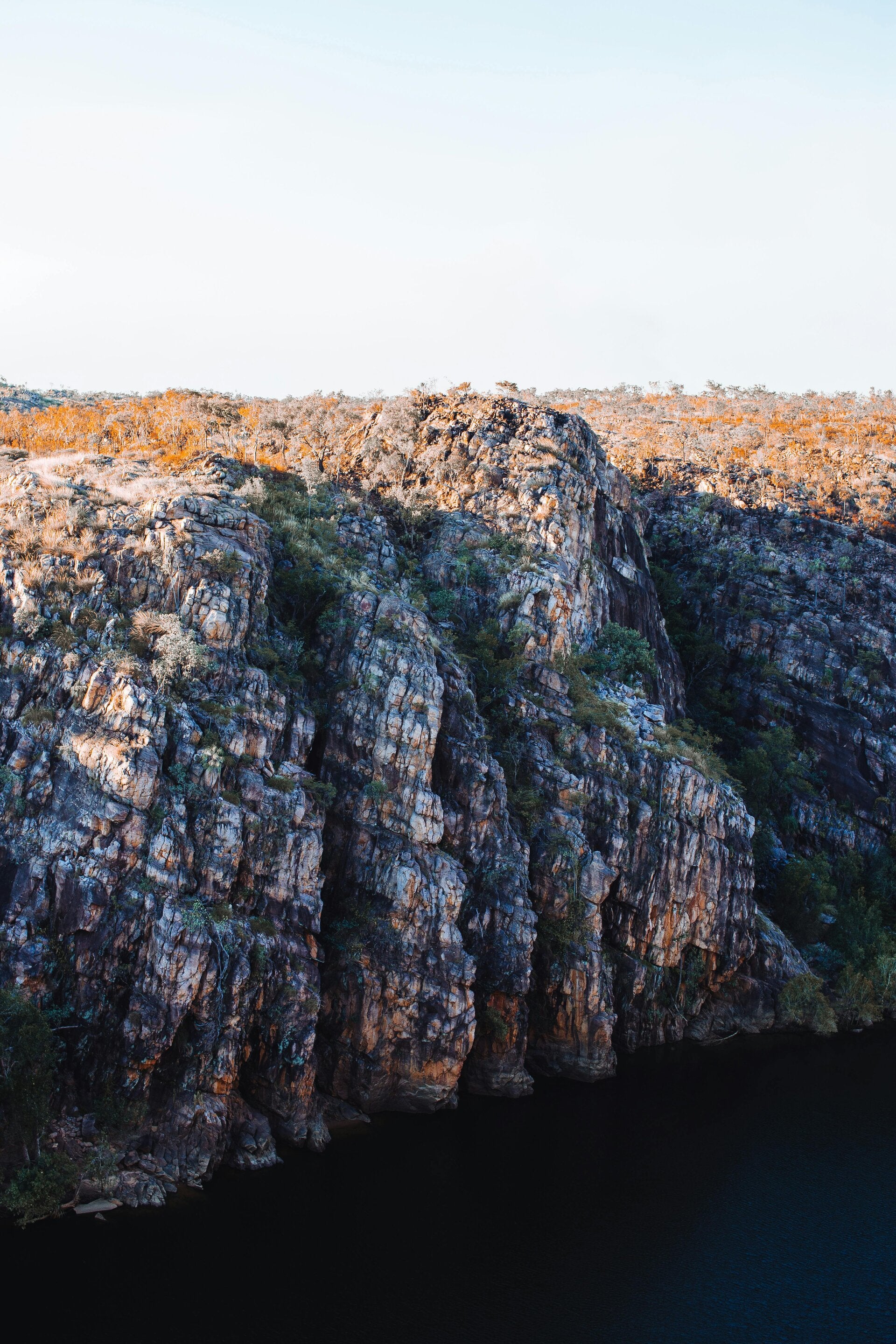
Through proactive hazard and risk analysis, we support infrastructure planning, emergency preparedness, and long-term conservation. Detailed subsurface mapping ensures our natural resources and public assets are managed sustainably for future generations of Australians.
Strategic geoscience alignment
A comprehensive framework mapping the Geological Survey of Victoria across core responsibilities, strategic objectives, sector challenges, and current programs.
🎯 Current role
The Geological Survey of Victoria provides scientific information and geological intelligence that supports resource development, land use planning, and environmental management.
- Geological mapping: Develops geological maps and datasets that improve understanding of Victoria's geology.
- Mineral resource analysis: Identifies and assesses mineral resources that support investment and economic development.
- Energy resource investigations: Provides geological information relevant to energy resources and future energy planning.
- Geoscience information management: Maintains and manages geological data, records, and information systems.
- Resource investment attraction: Supports industry confidence through high-quality geological information and resource intelligence.
- Geological research: Conducts scientific investigations that improve understanding of Victoria's geological environment.
🚀 Current objectives
The Geological Survey of Victoria aims to improve geological knowledge, increase investment confidence, and support informed decision-making across the state.
- Improve geological mapping.
- Strengthen resource intelligence.
- Support critical minerals development.
- Improve groundwater understanding.
- Support infrastructure planning.
- Strengthen hazard preparedness.
- Improve public access to geoscience information.
⚠ Current challenges
Growing environmental pressures, resource demands, and climate impacts increase the need for accurate geoscience intelligence.
- Resource development pressures.
- Hazard preparedness requirements.
- Climate adaptation challenges.
- Groundwater management demands.
- Data modernisation requirements.
- Critical minerals development.
- Infrastructure growth pressures.
🔄 Current initiatives
Current programs focus on geological intelligence, resource development, and advancing state scientific capability.
- Geological mapping programs: Improve understanding of Victoria's geological framework.
- Critical minerals programs: Support development of strategically important mineral resources.
- Groundwater investigations: Improve groundwater knowledge and long-term water planning.
- Digital geoscience platforms: Enhance access to geological information and mapping systems.
- Hazard assessment projects: Support emergency preparedness and risk management activities.
- Research partnerships: Collaborate with universities, industry, and government agencies.
Strategic geoscience alignment pillars
Geological Survey of Victoria operations, funding governance, and jurisdictional partnerships are structured across four foundational pillars designed to foster community resilience, economic development, and scientific excellence.

Funding sources
Summary: Funding supports geological research, mapping, resource intelligence, and hazard assessment programs.
Victorian Government funding: Supports core operations, geological investigations, and scientific capability.
Commonwealth partnerships: Supports nationally significant geoscience and resource initiatives.
Industry partnerships: Support collaborative projects and resource development activities.
Research partnerships: Support scientific investigations and innovation.

Funding eligibility criteria
Summary: Partnerships support organisations contributing to Victoria's scientific, environmental, and resource capability.
Eligible participants: Universities, research organisations, industry partners, mining & resources companies, infrastructure agencies, water authorities, local governments, environmental organisations, and First Nations partnerships.
Australians Unified perspective: Investment should support activities that strengthen resilience, sustainability, and long-term prosperity for Victorian communities.

Policy framework
Summary: Activities align with state and national frameworks supporting resource development, environmental stewardship, and resilience.
Resources Victoria framework: Supports responsible resource development and geological knowledge.
Critical minerals initiatives: Support future industry development.
Hazard & emergency planning: Support preparedness and risk reduction.
Environmental stewardship & digital geoscience: Advance sustainable management and open data access.
Australians Unified perspective: Geological intelligence must support evidence-based planning and economic resilience.

Federal, state & local alignment
Federal (Geoscience Australia): National mapping, earth observation, natural hazards, groundwater science, and critical minerals.
State (Geological Survey of Victoria): Applies geoscience intelligence to mineral resource analysis, energy investigations, data management, and research.
Local affiliates: Strategic planning services inform land use; emergency management prepares for hazards; infrastructure and environmental teams ensure sustainable community outcomes.
Investment outcomes and success measures
Geoscience investment improves safety, planning, sustainability, and economic capability across Victoria through rigorous scientific capability and accountable governance.
Residents and industry outcomes
Targeted geoscience investment strengthens everyday living and commercial certainty across the state:
- Residents: Safer communities, better emergency preparedness, improved planning decisions, and increased resilience.
- Industry: Investment confidence, resource certainty, high-grade geological information, and reduced development risk.
Community impact and success measures
Community benefits: Improved environmental stewardship, sustainable regional development, resilient infrastructure, and long-term security.
Success metrics: Comprehensive geological coverage, active hazard intelligence, data accessibility, groundwater understanding, and measurable community resilience indicators.
Australians Unified assessment
Current status: Victoria possesses one of Australia's strongest geological information systems and resource intelligence capabilities.
Recommendations: Expand digital geoscience access, increase critical minerals capability, strengthen state-federal integration, improve local planning support, and expand research partnerships.
Accountability chain and future state
Accountability pathway: Geoscience Australia (national leadership) connects directly to Geological Survey of Victoria (state leadership), delivering actionable data to local council planning and emergency services.
Our core principle: National geoscience creates knowledge, state geoscience builds capability, and local planning delivers outcomes.
Frequently asked questions about Victorian geoscience
Key insights into how the Geological Survey of Victoria drives state resource certainty, environmental resilience, and public geoscience intelligence.