Great Barrier Reef governance and community stewardship network
As an Australians Unified State and Local Combined Affiliate alongside the Great Barrier Reef Marine Park Authority (GBRMPA), this initiative coordinates Queensland Government agencies, regional councils, Traditional Owners, marine operators, and local communities to protect, manage, and benefit from the reef.

State leadership and marine ecosystem management
Led by the Queensland Department of Environment, our state framework anchors regional conservation. Core responsibilities encompass dedicated marine ecosystem management, water quality programs, targeted biodiversity management, and long-term reef resilience planning.
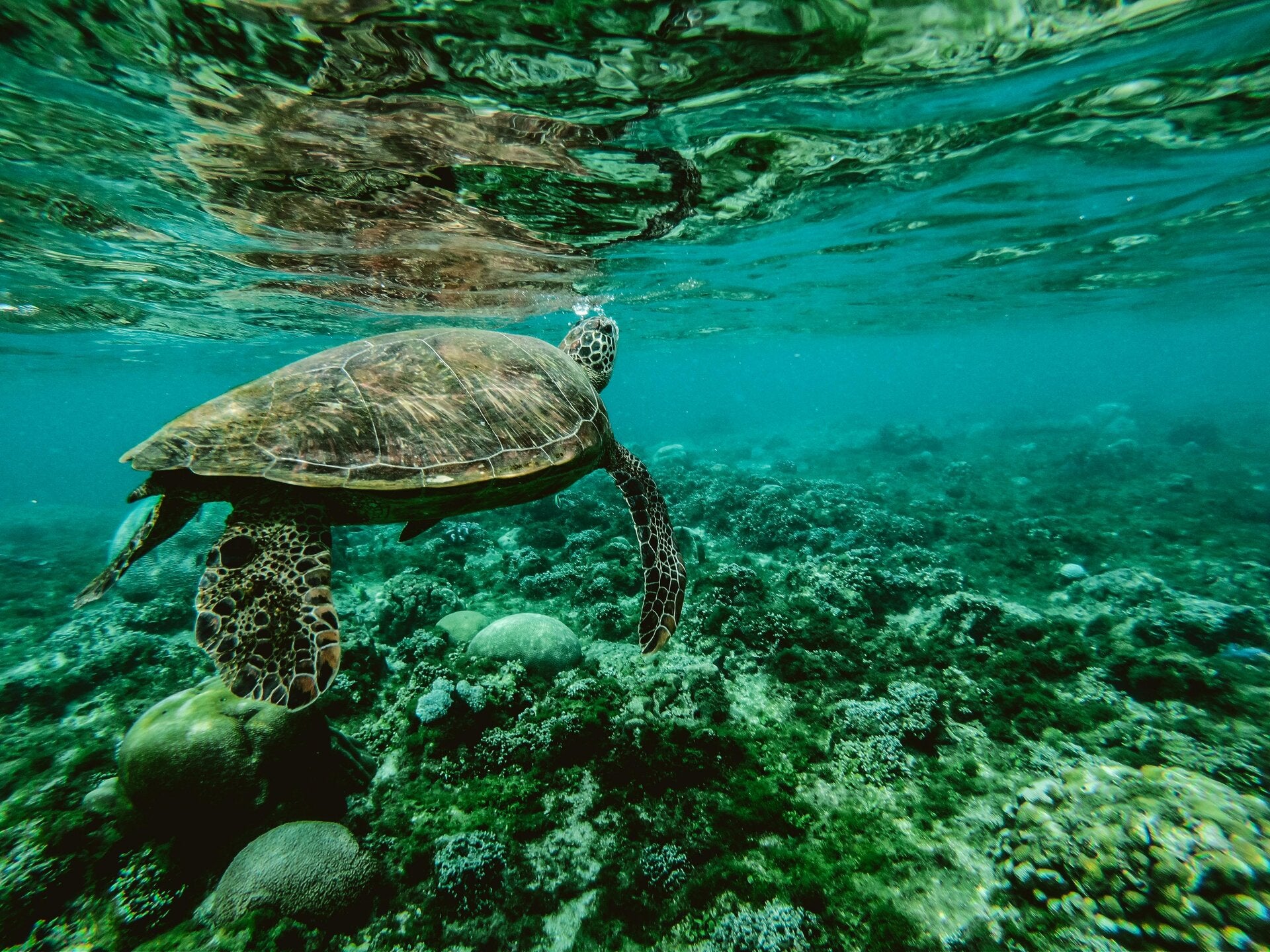
Coordinated governance matrix pillars
Operating under the primary pillar of Sovereignty, the network actively supports Future Australia, Prosperity, Accountability, and Unity to uphold national environmental standards while strengthening regional economic viability.
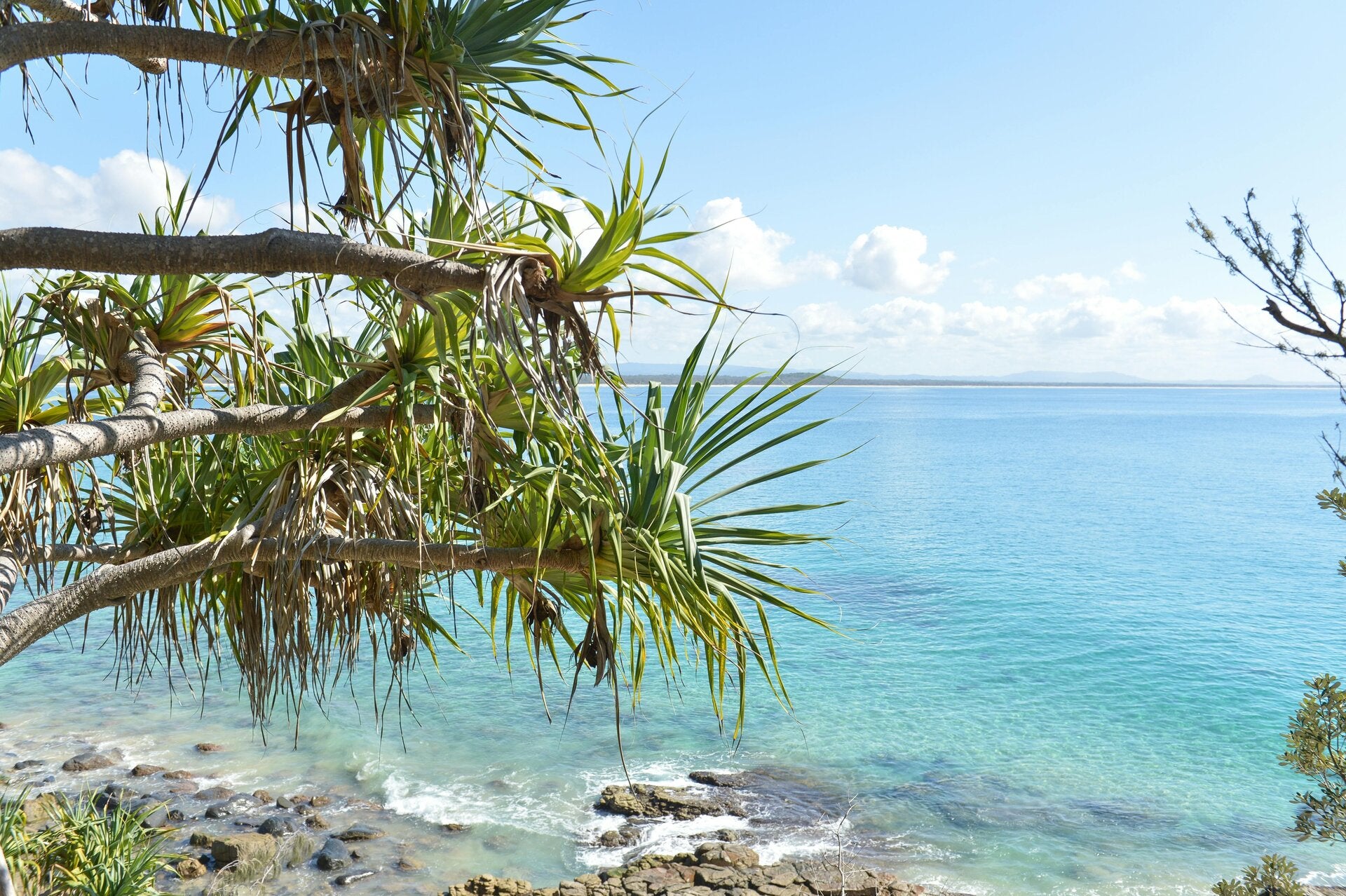
Community stewardship and industry partnerships
By aligning Traditional Owners, sustainable tourism businesses, and coastal communities across Queensland, our gold standard affiliate structure guarantees transparent outcomes and collective stewardship for future generations.
State and local governance structure
A coordinated Great Barrier Reef governance framework connects Queensland state leadership, regional local governments, Traditional Owners and community partners. The structure clarifies responsibility for environmental protection, sustainable regional development, community resilience and long-term reef stewardship.

State leadership
Queensland Department of Environment leads marine ecosystem management, environmental protection, water quality programs, biodiversity management and reef resilience planning.
Queensland Parks & Wildlife Service delivers marine conservation, protected-area management, environmental monitoring, compliance activities and ranger programs.
Reef Joint Field Management Program supports marine operations, field compliance, marine surveillance, visitor education and habitat protection.

Local leadership
Regional local governments coordinate coastal planning, tourism, community engagement, environmental stewardship, infrastructure planning and emergency resilience.
Reef community advisory networks bring forward community consultation, local priorities, public engagement, community stewardship and citizen-science participation.
Traditional Owner Sea Country partnerships strengthen cultural heritage, Indigenous stewardship, Sea Country management, cultural education and joint management programs.

State responsibilities
Environmental management: water quality improvement, coastal protection, pollution reduction, habitat restoration and catchment management.
Economic development: sustainable tourism, regional employment, marine industries, research investment, training and education.
Community resilience: disaster preparedness, coastal resilience, climate adaptation, emergency response and community support systems.
Reef stewardship: community participation, education programs, stewardship initiatives, public awareness and volunteer programs.

Proposed reform and performance
Australians Unified reforms — not current law. A proposed Queensland Reef Operations Centre would coordinate reef intelligence, marine monitoring, climate forecasting, community reporting, reef performance measurement and regional coordination. Regional Reef Management Hubs across major reef regions would lead community engagement, reef monitoring, tourism management, environmental reporting, local stewardship and regional economic development.
A proposed Reef Community Accountability Dashboard would publicly report reef health, water quality, tourism performance, local employment, Indigenous participation, restoration activities and government performance.
State and local KPI dashboard
| KPI | Baseline | 2032 | 2037 |
|---|---|---|---|
| Reef Health Index | 100 | 125 | 180 |
| Water Quality Index | 100 | 135 | 200 |
| Community Participation Index | 100 | 145 | 220 |
| Indigenous Stewardship Index | 100 | 150 | 230 |
| Reef Tourism Sustainability Index | 100 | 130 | 190 |
| Regional Employment Index | 100 | 125 | 180 |
| Coastal Resilience Index | 100 | Not stated | Not stated |
State investment framework and reef stewardship roadmap
This Great Barrier Reef framework aligns current Queensland investment programs with Australians Unified priorities, a staged 2028–2037 implementation roadmap, delivery partnerships and measurable environmental, economic, community and sovereignty outcomes.

Current programs and priorities
State investment framework — current programs
- Reef protection programs
- Water quality initiatives
- Environmental restoration
- Regional development funding
- Tourism support programs
- Indigenous ranger programs
Australians Unified priorities
- Reef restoration technologies
- Indigenous Sea Country programs
- Regional stewardship hubs
- Marine monitoring systems
- Water quality upgrades
- Reef education programs
- Community resilience projects

Implementation roadmap: 2028–2033
Phase 1 (2028–2030): Community stewardship foundation
- Regional Reef Dashboards
- Community Reporting Systems
- Indigenous Partnership Expansion
- Water Quality Monitoring
Outcome: Whole-of-community participation.
Phase 2 (2031–2033): Regional integration
- Reef Management Hubs
- Tourism Sustainability Programs
- Restoration Expansion
- Marine Intelligence Systems
Outcome: Improved environmental performance.

Implementation roadmap: 2034–2037
Phase 3 (2034–2035): Economic and environmental alignment
- Blue Economy Programs
- Regional Employment Growth
- Indigenous Enterprise Growth
- Coastal Resilience Programs
Outcome: Stronger regional prosperity.
Phase 4 (2036–2037): Reef leadership model
- Global marine stewardship model
- World-class reef monitoring
- Community-led reef governance
- Integrated environmental reporting
Outcome: Best-practice reef management.

Partners and community outcomes
Delivery partners
Government: Queensland Government, local governments, environmental agencies and emergency services.
Community: Traditional Owners, residents, tourism operators, fishing communities, volunteer groups, schools and universities.
Research: universities, marine scientists, environmental organisations and reef research centres.
Outcomes: improved reef health, better water quality, increased biodiversity and stronger ecosystem resilience; tourism growth, regional employment, Indigenous business growth and sustainable marine industries; increased participation, stronger stewardship, better environmental education and improved community resilience; and protection of a strategic national asset, long-term environmental security, improved climate resilience and global environmental leadership.
🇦🇺 Australians Unified Principle
The Great Barrier Reef should be managed through a partnership between government, Traditional Owners and communities. Protection of the Reef is not solely an environmental responsibility. It is an economic, cultural, sovereignty and community responsibility shared across Queensland and Australia. 🪸🏛️🏘️🇦🇺
State and reef governance frequently asked questions
Clear answers regarding state leadership, intergovernmental coordination, community stewardship, and the Australians Unified roadmap for the Great Barrier Reef.