🏛 State Arts & Cultural Development Authority
Local arts and cultural portfolio
The State Arts & Cultural Development Authority exists to transform national arts investment into measurable state and local cultural, social, and economic outcomes. Through Australians Unified, we celebrate shared heritage, empower regional creative talent, and turn cultural investment into lasting community prosperity.
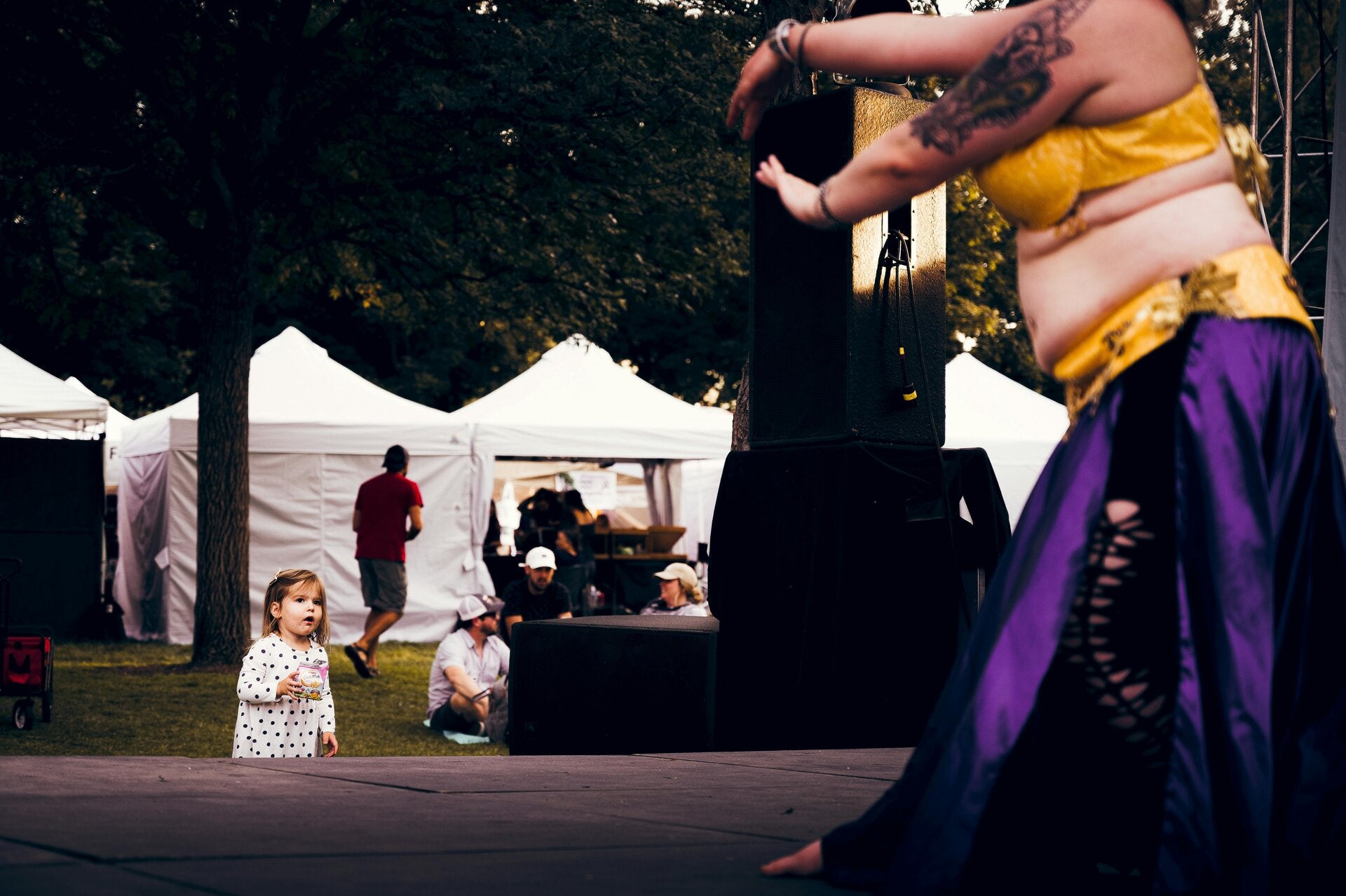
Empowering local creative industries
The Authority actively supports independent artists, design studios, cultural institutions, and regional festivals across our communities. By connecting grass-roots makers with statewide platforms, we turn public cultural funding into sustainable creative employment and flourishing local economies.
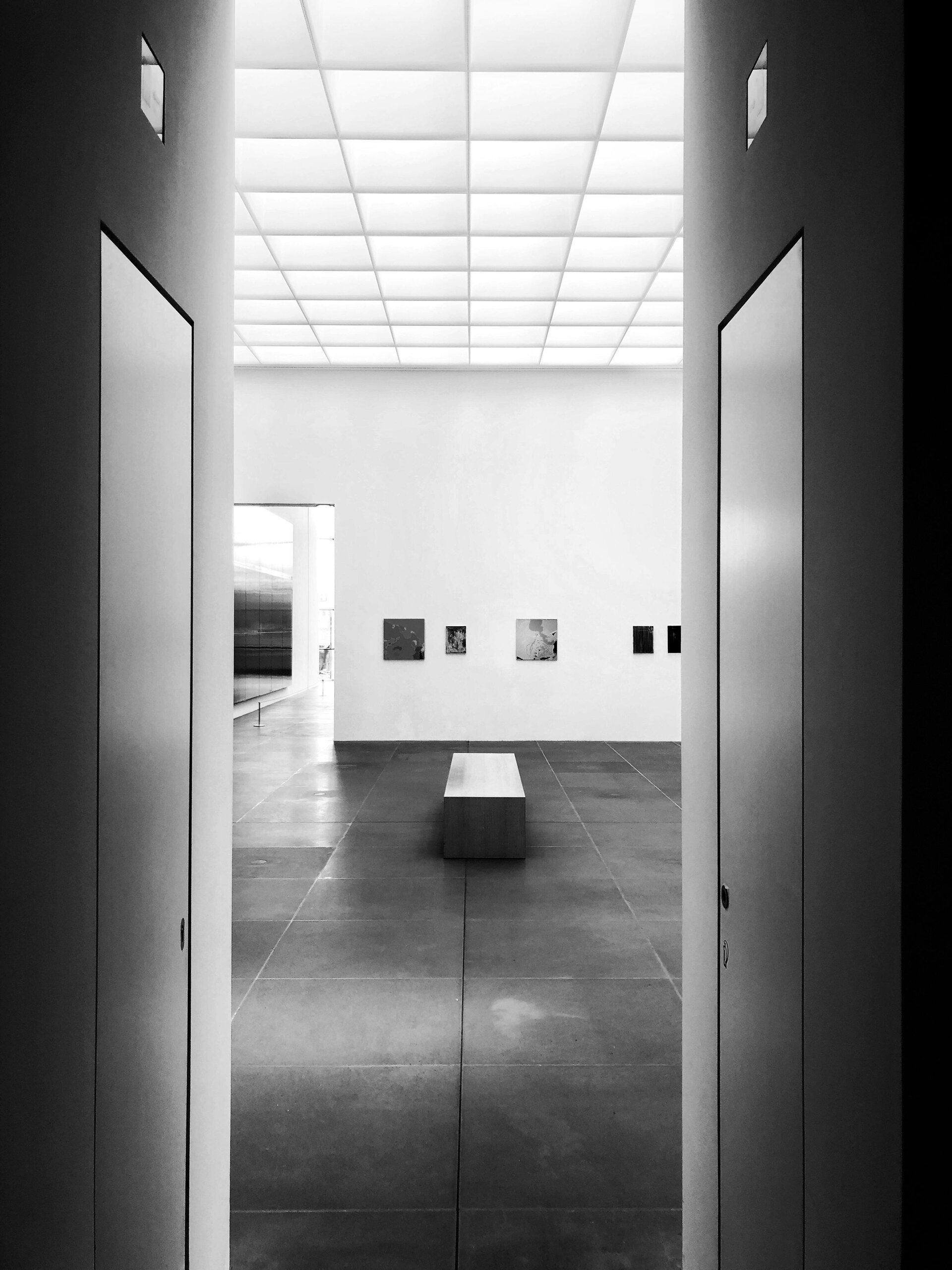
Heritage preservation and public galleries
Collaborating with libraries, archives, museums, and local councils, our portfolio safeguards community heritage assets while expanding public access. Every initiative fosters shared Australian values, inviting participation across diverse generations and regional communities.

Integrated governance and regional outreach
Operating directly under the State Arts & Culture Portfolio, our structured governance model unites educational institutions, tourism bodies, and municipal authorities. Together, we guarantee transparent public investment that directly enriches civic life and inspires our future.
Core functions of the authority
The State Arts & Cultural Development Authority translates public arts funding into cultural participation, sustainable creative careers, and community prosperity across Victoria through four dedicated divisions.
Creative industries division
Fostering commercial and independent creative enterprises across contemporary music, screen production, digital arts, and performance. We focus on building a robust local workforce, opening commercial pathways, and empowering creative professionals statewide.
Heritage and culture division
Safeguarding Victorian heritage and maintaining community access through regional galleries, museums, public libraries, and archives. We protect local cultural assets while facilitating shared civic knowledge and historical stewardship.
Regional and community division
Expanding access across regional centres and suburban neighbourhoods through grass-roots festivals, First Nations cultural initiatives, community arts programming, and inclusive civic events that unite local communities.
Funding and performance division
Delivering accountable grant administration, strategic investment governance, and clear outcome metrics. Through rigorous sector reporting and real-time dashboard oversight, we guarantee public value and community transparency.
State arts and culture SWOT analysis
This SWOT analysis identifies the strengths, weaknesses, threats and opportunities shaping Victoria’s arts and cultural sector. It highlights where local communities, creative practitioners, cultural organisations and public investment can work together to build sustainable participation, stronger regional access and lasting economic value.

Strengths
A strong cultural foundation. Victoria benefits from a vibrant arts and cultural sector, established museums, galleries and heritage assets, and a well-developed festival and events network. Strong creative-economy foundations and an international cultural reputation provide the state with significant artistic, cultural and creative capability.

Weaknesses
Access and sustainability remain uneven. Funding uncertainty, dependence on grant funding and fragmented reporting systems can limit long-term planning. Regional participation gaps and uneven access to cultural infrastructure mean strong existing assets are not consistently available to every community.

Threats
Financial pressure can constrain participation. Rising operating costs, venue affordability pressures, declining volunteer capacity, economic downturns and competition for public funding place ongoing pressure on cultural organisations, events and local creative participation.

Opportunities
Participation and value can grow. Cultural tourism, creative technology and digital participation platforms can extend audiences and economic impact. Regional arts activation and First Nations cultural leadership offer powerful opportunities to strengthen local identity, connection, cultural participation and community prosperity.
Current trajectory vs AU direction
Current trajectory
Funding ↓ Programs ↓ Activities ↓ Outputs
Under the existing fragmented system, cultural funding is treated as a top-down operational expense rather than a public investment in community prosperity. This model creates reactive spending cycles and unpredictable project lifespans.
Outcomes:
- Variable community participation and engagement
- Uneven regional access and underfunded touring programs
- Limited real-time reporting and administrative red tape
- Reactive investment without sustainable sector returns
Australians Unified direction
Investment ↓ Participation ↓ Cultural outcomes ↓ Creative employment ↓ Community wellbeing ↓ Economic growth
Australians Unified directs strategic cultural investment into grass-roots capability, regional access, and creative industry growth, establishing transparent accountability dashboards to guarantee measurable public returns.
Measurable outcomes:
- Increased cultural participation and inclusive community engagement
- Better regional access, touring programs, and rural asset backing
- A stronger creative workforce and cultural enterprise expansion
- Protected heritage assets and improved cultural wellbeing
BOM outcomes dashboard
Measuring whether public investment in arts and culture delivers real cultural, social, and economic outcomes across Victoria. Rather than tracking activity alone, our framework monitors participation, creative growth, heritage preservation, and community wellbeing.
Cultural participation
Focuses on festival attendance, arts engagement, cultural program attendance, and public art interaction. We target higher participation (+25%), increased community engagement, greater cultural inclusion, and deeper social connections across all postcodes.
Creative economy
Tracks sustainable creative jobs (+20%), small enterprise growth, sector revenue, and cultural tourism contributions. Our goal is a resilient economic foundation that turns local artistic production into viable, long-term employment.
Heritage preservation
Measures local collections protected, historical assets restored, and community archive initiatives. Outcome goals ensure safeguarded cultural assets (+20%), preserved regional heritage, and continuous intergenerational knowledge sharing.
Regional access and equity
Monitors regional funding distribution, touring performance schedules, and First Nations cultural programs (+30%). We ensure regional equity so rural communities enjoy direct access to statewide cultural resources.
10-year implementation roadmap
A phased, transparent strategic roadmap designed to modernise cultural funding, expand regional participation, connect critical sectors, and deliver an intelligent, future-ready creative ecosystem for Australia.
Years 1–2: Foundation
Focuses on establishing structural integrity across government arts administration. Key priorities include consolidating fragmented funding programs, modernising reporting systems, and establishing an integrated BOM dashboard for clear operational oversight.
Outcome: Better visibility and operational transparency across the creative sector.
Years 3–5: Growth
Accelerates cultural reach by expanding regional investment, delivering vital workforce capability initiatives, and strengthening regional cultural tourism to ensure every community benefits from creative sector prosperity.
Outcome: Substantially increased participation and widespread regional engagement.
Years 5–7: Integration
Builds cross-sector synergy by connecting education, tourism, and culture. We scale digital participation frameworks and forge enduring industry partnerships to anchor sustainable employment.
Outcome: Stronger sector sustainability and integrated social and economic impact.
Years 7–10: Future ready
Embeds technological advancement into cultural development through predictive planning, AI-supported sector intelligence, and real-time cultural performance monitoring to navigate evolving civic needs.
Outcome: A resilient, forward-looking, and future-ready cultural ecosystem.
Local arts and cultural portfolio FAQ
Find answers to key questions about governance, grant accountability, regional participation, and our long-term plan for Victoria's creative sector.