State maritime and aviation safety authority
Australians Unified presents an independent guide to Victoria's infrastructure, marine safety oversight, and interconnected aviation emergency services. Discover the critical state-level frameworks maintaining our transit security, supply corridors, and regional resilience.

Victorian maritime transit and port governance
Commercial maritime waterways and industrial ports are the backbone of Victoria's trading stability. Through rigorous safety standards, ongoing environmental protection, and navigational oversight, state authorities protect both our open waters and community logistics links.
Aviation infrastructure and regional transport
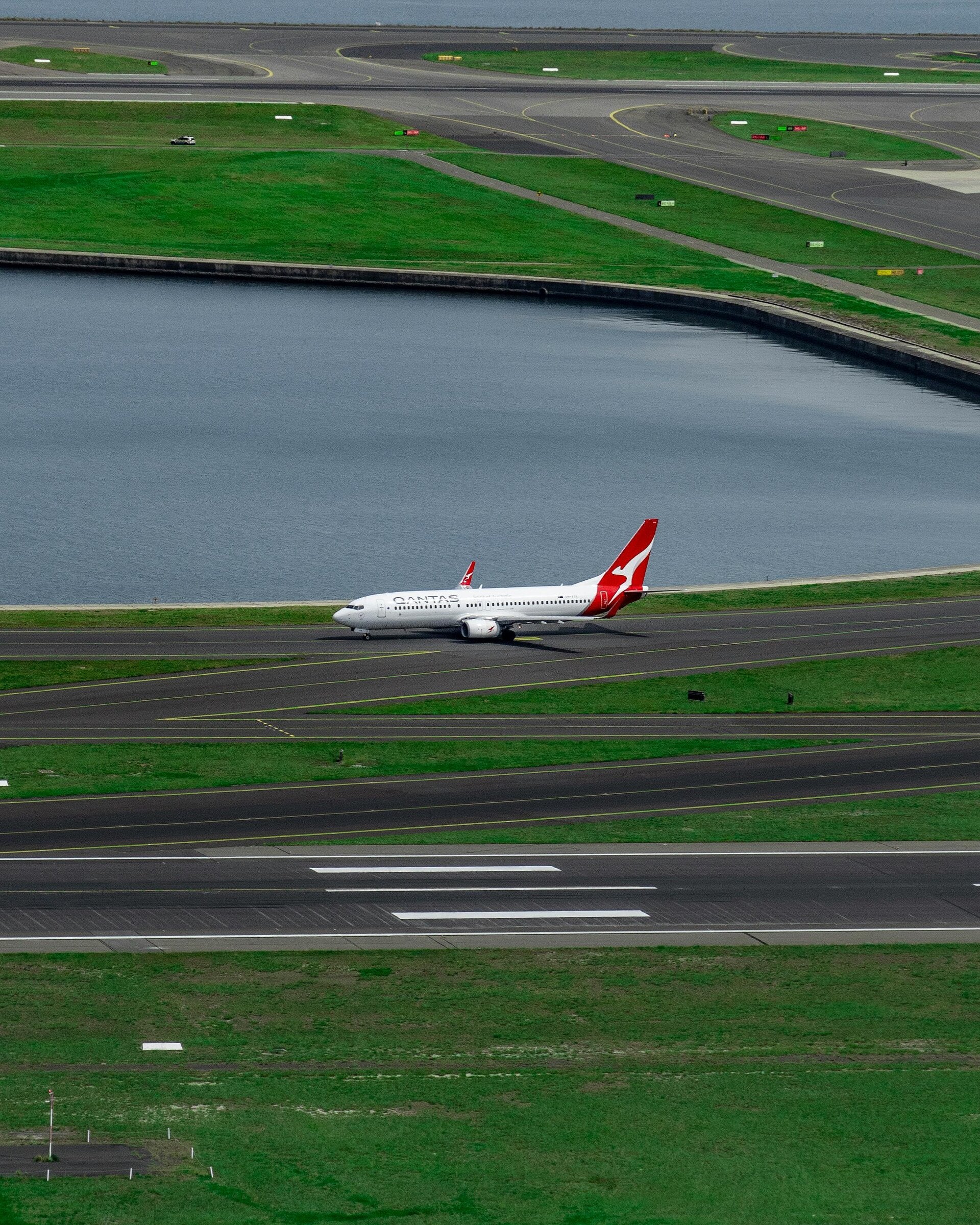
While Commonwealth partners like Airservices Australia deliver federal air navigation services, state-level departments coordinate aerodrome integration, transport accessibility, and commercial precinct planning across regional Victoria to empower local enterprise and connectivity.
Emergency coordination and network resilience
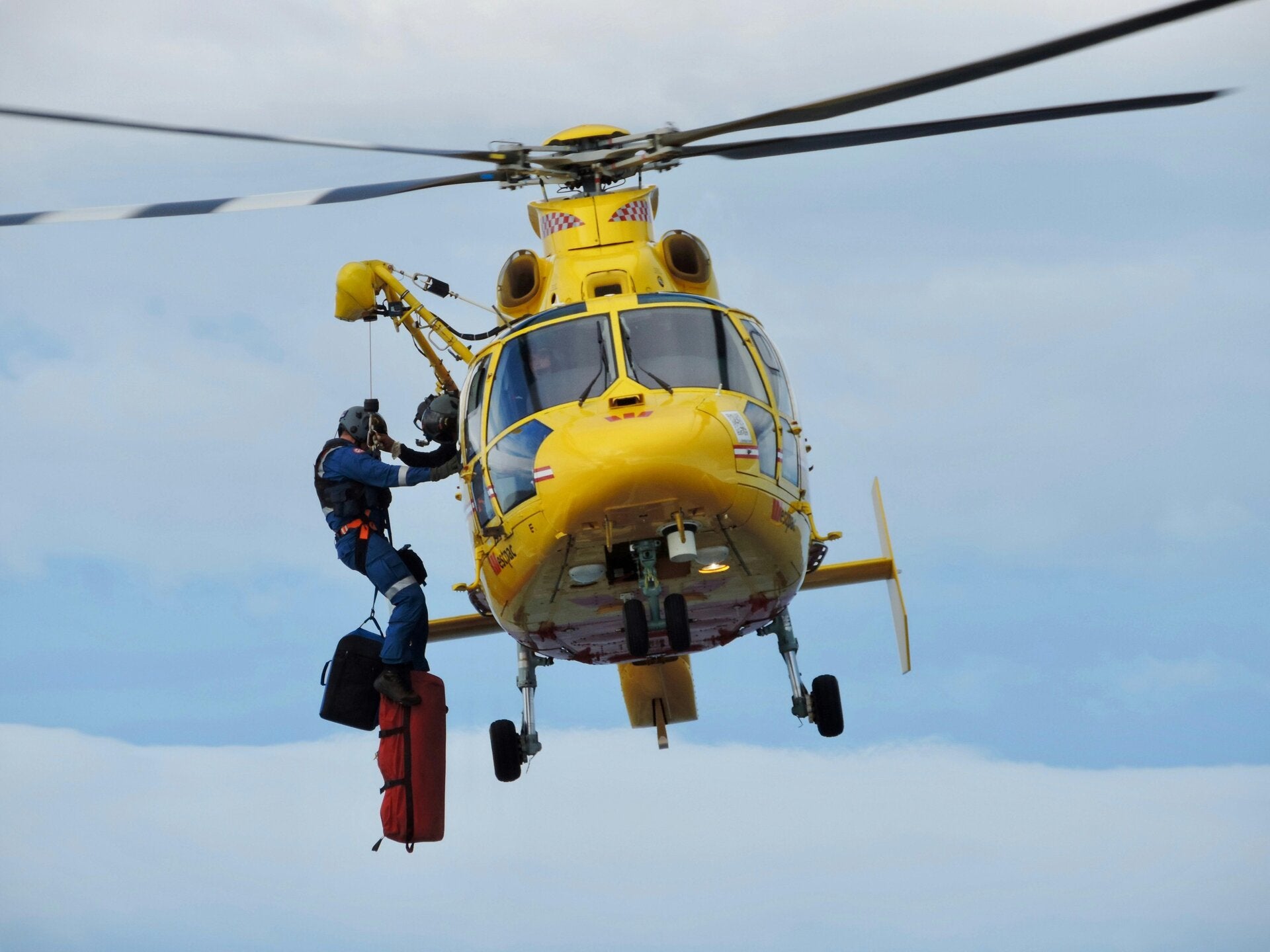
Effective emergency response relies on complete cohesion between coastal search operations, air response units, and terrestrial rescue services. Victoria's interlinked safety network ensures regional readiness, crisis containment, and community security in critical times.
Victorian Maritime Safety & Blue Economy Authority (VMSBEA)
Operating as the state counterpart to the federal Australian Maritime Safety & Sovereignty Authority (AMSSA), the VMSBEA focuses on port development, coastal economic resilience, and maritime workforce expansion rather than international shipping defence. Its core mission is to strengthen Victoria's maritime economy through safe waterways, resilient ports, marine innovation, and sustainable coastal development.
Under the Vision 2040 framework, the authority coordinates across regional ports, coastal innovation hubs, and local government fisheries offices to position Victoria as Australia's leading Blue Economy state. Priorities include aquaculture leadership, comprehensive regional port revitalisation, marine technology incubation, and enduring coastal community prosperity.
Core authorities
Explore the six core divisions proposed for Victoria’s maritime future: safe waterways, productive ports, a growing Blue Economy, leading marine innovation, resilient coasts and a skilled maritime workforce.

Victorian Maritime Safety Division ⚓
Responsible for state boating safety, waterway safety, maritime incident monitoring, recreational vessel education and marine compliance coordination. Outcome: safe Victorian waterways.

Ports, freight and workforce
The Victorian Ports & Freight Division leads regional ports, maritime logistics, port activation, supply-chain efficiency and port investment planning. The Maritime Workforce Division delivers maritime apprenticeships, port workforce planning, marine engineering pathways and industry skills programs. Outcome: stronger port economies and future maritime workforce capability.

Blue Economy and marine innovation
The Blue Economy Development Division advances fisheries growth, aquaculture development, marine industries, offshore innovation and marine commercialisation. The Marine Innovation Division supports marine technology, coastal innovation hubs, industry partnerships, research adoption and commercialisation programs. Outcome: an expanded Blue Economy and world-class marine innovation.

Coastal Resilience Division 🌿
Responsible for coastal adaptation, waterway health, climate resilience, coastal infrastructure and environmental management. This division helps communities and ecosystems prepare for changing coastal conditions. Outcome: long-term coastal sustainability.
Victorian state government maritime delivery
Core operational programs delivered directly by Safe Transport Victoria (STV), Ports Victoria, and Emergency Management Victoria under 2026–27 State Budget appropriations, enhanced by Australians Unified (AU) + State DBO strategic upgrades.
| Program & lead Victorian entity | Budget funding & operational scope |
|---|---|
| 1. Port Phillip, Western Port & regional channel navigation & pilotage (Ports Victoria + Port Phillip Sea Pilots) | ~$75M+ / yr (Channel dredging, shipping control & marine navigation). Managing commercial shipping channels, Port Phillip Heads pilotage, vessel traffic services (VTS), and deep-water access for Melbourne, Geelong, and Hastings. |
| AU + State DBO upgrade | Live Victorian Port & Channel Digital Twin on Booma Bot: Streams real-time ship movements, berth congestion, and channel-depth safety alerts directly into BOMS. |
| 2. Victorian Marine Search and Rescue (MSAR) & Water Police operations (EMV + Victoria Police Water Police & Volunteer MSAR) | ~$35M+ / yr (27 volunteer marine rescue flotillas & Water Police). Coordinating 24/7 coastal, bay, and Bass Strait emergency rescues alongside Victoria Police Water Police and volunteer marine rescue units. |
| AU + State DBO upgrade | Permanent State Fleet Replacement & Volunteer Equipment Fund: Replaces ageing volunteer rescue vessels with Australian-built rescue craft and ends community fundraising reliance. |
| Program & lead Victorian entity | Budget funding & operational scope |
|---|---|
| 3. Victorian Marine Pollution Contingency Plan & oil-spill response (Safe Transport Victoria + EPA Victoria & DEECA) | ~$22M+ / yr (Coastal spill response & environmental protection). Maintaining oil-spill containment booms, dispersant stockpiles, and rapid-response teams protecting Port Phillip Bay, Western Port, and Gippsland Lakes. |
| AU + State DBO upgrade | Dedicated Bass Strait & Port Phillip Emergency Salvage Tug: Stations a permanently crewed Australian emergency towage vessel at Western Port/Geelong to prevent tanker groundings. |
| 4. Recreational & commercial boating safety, licensing & waterways compliance (Safe Transport Victoria) | ~$28M+ / yr (Marine safety regulation & waterway enforcement). Enforcing vessel safety rules, marine licensing, lifejacket compliance, and waterway speed/exclusion zones across Victorian bays, rivers, and lakes. |
| AU + State DBO upgrade | One-Click Victorian Marine & Commercial Vessel Portal: Integrates STV and AMSSA safety certificates into a single digital pass with zero duplicate inspection fees. |
| Program & lead Victorian entity | Budget funding & operational scope |
|---|---|
| 5. Public port asset stewardship & Port of Hastings / regional port planning (Ports Victoria + DTP) | ~$90M+ / yr (Public port infrastructure & regional port oversight). Managing public piers, Station Pier cruise/ferry terminal, Port of Hastings public land, and regional port development across Geelong and Portland. |
| AU + State DBO upgrade | Victorian Sovereign Dry-Dock & Public Port Equity Lock: Prohibits any further privatisation of Port of Hastings and co-invests in a heavy commercial dry dock at Geelong / Western Port. |
Victorian maritime initiatives and port ownership breakdown
Co-funded public maritime initiatives
The Victorian government co-funds key maritime infrastructure and workforce programs across the state:
Port of Hastings and offshore wind upgrades: A $300M+ multi-year pipeline via Ports Victoria and DEECA delivering deep-water assembly wharves with a 55% Australian and 45% foreign contractor split, 100% public ownership, and local steel mandates.
Local ports and piers renewal program: A $45M+ coastal renewal pool managed by DTP and Parks Victoria, with an 80% Australian delivery split restoring piers and fishing wharves.
Port-rail shuttle network (PRSN): A $125M+ freight fund with DITRDCA featuring a 50/50 operator split to shift freight onto rail lines.
Better boating fund: A $35M+ annual trust managed by Better Boating Victoria providing 100% Australian delivery for boat ramps, parking, and rescue infrastructure.
Maritime skills pathways: An $18M+ Free TAFE stream through South West TAFE, TAFE Gippsland, and RMIT with a ~90% domestic focus.
Private port ownership: Australian vs. foreign
Corporate footprint analysis across privatised Victorian commercial ports and maritime logistics in 2026–27:
Commercial port leases: Valued above $15B across Melbourne, Geelong, and Portland, control stands at 42% Australian-owned (IFM Investors, AustralianSuper, QSuper/ART) versus 58% foreign-controlled (OMERS, China Investment Corporation).
Container stevedoring terminals: Swanson Dock and Webb Dock are roughly 75% foreign-controlled (DP World, ICTSI, Brookfield) and 25% Australian (Qube Holdings / Patrick Terminals).
Bass Strait and fuel shipping: The $2.5B+ trade involves 35% Australian operators (TT-Line, Searoad Ferries) and 65% foreign shipping lines (Toll Shipping, CMA CGM, foreign tankers).
Harbour towage and offshore support: Regional waters and bays are 80% foreign-controlled (Svitzer, Smit Lamnalco, MMA Offshore) and 20% Australian-operated.
Marine engineering and shipbuilding: The $1.8B sector comprises 45% Australian ownership against 55% foreign prime contractors.
- Harbour Towage & Offshore Support: 🇦🇺 20% Australian-Owned | 80% 🌐 Foreign
- Container Stevedoring Terminals: 🇦🇺 25% Australian-Owned | 75% 🌐 Foreign
- Bass Strait & Fuel-Tanker Shipping: 🇦🇺 35% Australian-Owned | 65% 🌐 Foreign
- Commercial Port Leases (Melb/Geel): 🇦🇺 42% Australian-Owned | 58% 🌐 Foreign
- Victorian Marine Engineering & Yards: 🇦🇺 45% Australian-Owned | 55% 🌐 Foreign
AU + State DBO 2037 Target: 🇦🇺 72%+ Victorian Public Port Control, Local Crews & Geelong Dry Dock.
Victorian private maritime & port ownership breakdown
Mapping commercial port leases, container stevedores, shipping routes, harbour towage, and marine yards across Australian-owned versus foreign-controlled operators in 2026–27, paired with Australians Unified (AU) + State DBO reforms.
| Sector & commercial asset base | Corporate ownership & structural risk (status quo) |
|---|---|
| 1. Commercial port leases (Melbourne, Geelong & Portland) | IFM Investors, AustralianSuper, QSuper / ART & Future Fund (minority stakes) vs OMERS (Canada), CIC (China), GIP / BlackRock (US) & Brookfield (Canada). |
| Ownership split & asset exposure | 🇦🇺 ~42% Australian / 🌐 ~58% Foreign ($15B+ asset base: 50-year private leases allow foreign funds to inflate port rents and access tariffs across supply chains). |
| 2. Container stevedoring terminals (Swanson & Webb Dock) | Qube Holdings (ASX — 50% Patrick Terminals) & local intermodal rail vs DP World (UAE), ICTSI (Philippines — VICT) & Brookfield (Canada — 50% Patrick). |
| Ownership split & asset exposure | 🇦🇺 ~25% Australian / 🌐 ~75% Foreign (3.2M+ TEU throughput: foreign operators levy steep landside terminal surcharges on local Victorian farmers and exporters). |
| Sector & commercial asset base | Corporate ownership & structural risk (status quo) |
|---|---|
| 3. Bass Strait & fuel-tanker shipping | TT-Line (Spirit of Tasmania — Tasmanian GBE) & Searoad Ferries vs Toll Shipping (Japan Post), CMA CGM / ANL (France), Maersk (Denmark) & foreign tankers. |
| Ownership split & asset exposure | 🇦🇺 ~35% Australian / 🌐 ~65% Foreign ($2.5B+ trade corridor: heavy reliance on foreign-flagged tankers for refined fuel imports and interstate sea freight). |
| 4. Harbour towage & offshore support vessels | Regional workboat & dive operators (Port Phillip, Western Port) vs Svitzer (Maersk — Denmark), Smit Lamnalco (Netherlands) & MMA Offshore (Singapore). |
| Ownership split & asset exposure | 🇦🇺 ~20% Australian / 🌐 ~80% Foreign ($600M+ services: foreign monopolies control tug operations across Melbourne, Geelong, Western Port, and energy fields). |
| 5. Shipbuilding & marine engineering yards | Austal (ASX), local shipwrights & fabricators vs BAE Systems Australia (UK — Williamstown / Osborne naval support) & Navantia (Spain). |
| Ownership split & asset exposure | 🇦🇺 ~45% Australian / 🌐 ~55% Foreign ($1.8B+ sector: absence of a heavy commercial dry dock forces commercial vessels to sail offshore for hull maintenance). |
| AU + State DBO sovereign reform policy | Target outcome & enforcement mechanism |
|---|---|
| ESC port tariff price-caps & public buyback option | Restores strict Essential Services Commission oversight, caps land rents, and locks Port of Hastings in 100% permanent state public ownership. |
| Mandatory landside terminal fee regulation & exporter rebate | Eliminates arbitrary stevedore vehicle booking surcharges via ESC / ACCC price directions and enforces priority berthing for Australian-flagged cargo vessels. |
| Bass Strait sovereign ferry & fuel crew mandate | Mandates Australian crews on all primary interstate routes and coordinates with AMSSA to establish protected strategic fuel tanker reserves. |
| Victorian sovereign towage & offshore content rules | Enforces 50%+ Australian-owned and crewed vessel thresholds across all Bass Strait offshore wind developments and port harbour towage tenders. |
| Geelong / Western Port sovereign dry-dock build | Co-invests through National Public Bank and VFMC capital facilities to deliver a heavy-tonnage commercial and naval maintenance dry dock in Victoria. |
| AU + State DBO 2037 strategic target | 🇦🇺 72%+ Victorian public port control, domestic maritime crewing, and critical engineering capability across all state waters. |
SWOT analysis
A strategic overview of Victoria's maritime capabilities, institutional challenges, emerging Blue Economy avenues, and critical operating risks.

Strengths
Port of Melbourne: Australia's largest container port.
Extensive coastline: Over 2,000 kilometres supporting commercial ports, maritime tourism, and recreational fisheries.
Fisheries sector: Robust commercial catching and recreational fishing infrastructure.
Marine research: World-class marine research institutes across Queenscliff, Geelong, and Gippsland.

Weaknesses
Fragmented maritime governance: Strategic responsibilities spread inefficiently across multiple state agencies.
Underutilised regional ports: Key coastal ports operating well below economic potential.
Ageing infrastructure: Escalating maintenance and renewal backlogs.
Workforce shortages: Limited domestic talent pipeline for specialist marine industries.

Opportunities
Blue Economy growth: Accelerated expansion in sustainable marine commercial sectors.
Aquaculture expansion: High market demand for offshore aquaculture and shellfish farming.
Marine technology: Advancements in ocean robotics, ecological monitoring, and data networks.
Port revitalisation: Modernising regional freight nodes and export corridors.

Threats
Climate change: Increasing vulnerability of coastal assets and shoreline installations.
Global trade volatility: Supply chain disruptions affecting commercial shipping activity.
Biosecurity risks: Invasive marine species threatening fragile aquatic habitats.
Funding constraints: Structural capital pressures impacting long-term waterway upkeep.
BOMS architecture: local projects and prosperity dashboards
Blue Economy Operations & Maritime Stewardship (BOMS) architecture bridges frontline community infrastructure with state and Commonwealth layers. Through dedicated Port Development Committees, Coastal Innovation Hubs, and Local Fisheries & Blue Economy Offices, local priorities directly inform regional planning.
Operational tracking integrates seamlessly across the VMSBEA Dashboard, the Victorian Prosperity Dashboard, and the National Maritime Layer, ensuring live transparency for freight pipelines, local jobs, and coastal resilience under the national BOMS motto: "Strong ports. Safe waters. Prosperous coasts."
TOWS strategic maritime roadmap
A comprehensive strategic matrix aligning Victoria's maritime capabilities and opportunities to build a world-class Blue Economy, enhance coastal resilience, and modernize waterway infrastructure.
SO strategy: Victoria Blue Economy Leadership Program
Summary: Leverage Victoria's ports, coastline, and research capability to become Australia's leading Blue Economy state.
Key actions: Establish the Blue Economy Innovation Network, unlock regional aquaculture growth corridors, drive regional port activation, and build dedicated marine technology hubs across Victorian coastlines.
ST strategy: Coastal Resilience & Maritime Security Program
Summary: Use existing maritime strengths to strengthen resilience against climate, environmental, and economic risks.
Key actions: Advance coastal resilience engineering projects, strengthen waterway environmental protection, deploy commercial port security upgrades, and establish unified emergency response coordination.
WO strategy: Maritime Transformation Program
Summary: Use innovation and targeted investment to overcome fragmented governance and infrastructure challenges.
Key actions: Implement integrated maritime planning across state jurisdictions, construct next-generation smart ports, deploy real-time digital waterways, and launch dedicated marine innovation grants.
WT strategy: Maritime Sustainability Framework
Summary: Mitigate long-term maritime risks by strengthening critical infrastructure, workforce capacity, and environmental stewardship.
Key actions: Enact proactive asset renewal plans, roll out a statewide maritime workforce strategy, deliver climate adaptation programs, and secure coordinated long-term investment pipelines.
Victorian maritime spending and treasury economic assessment
Comparing fragmented current agency allocations with the Australians Unified unified budget model, ten-year treasury projections, and core delivery outcomes by 2038.
| Current Victorian maritime spending stream | Estimated allocation |
|---|---|
| Ports Victoria & commercial channels | Spread across programs |
| Safe Transport Victoria waterways regulation | Spread across programs |
| Fisheries Victoria management | Spread across programs |
| Coastal management programs | Spread across programs |
| Marine and Coastal Strategy initiatives | Spread across programs |
| Total estimated current combined investment | ~$250M–$400M annually |
| Australians Unified model program | Annual budget |
|---|---|
| Maritime Safety Division | $60M |
| Ports & Freight Division | $120M |
| Blue Economy Development | $80M |
| Marine Innovation Division | $40M |
| Coastal Resilience Division | $70M |
| Maritime Workforce Division | $30M |
| Victorian Blue Economy Fund | $100M |
| Administration | $20M |
| Total annual unified investment | $520M |
| 10-year treasury assessment measure | Projected value |
|---|---|
| Total 10-year public investment | $5.2B |
| Conservative projected benefits | $9B |
| Moderate projected benefits | $15B |
| Strong projected benefits | $25B |
| Moderate benefit-cost ratio (BCR) | 2.9 : 1 |
| Moderate return on investment (ROI) | 188% |
🎯 Expected Outcomes by 2038
✅ Major Blue Economy growth
✅ Expanded aquaculture sector
✅ Regional port revitalisation
✅ Increased maritime employment
✅ Stronger coastal resilience
✅ Marine innovation network operational
✅ Victorian Maritime Dashboard active
✅ Full BOMS integration with Federal and Local government
Victorian maritime safety and Blue Economy reform agenda
The proposed Victorian Maritime Safety & Blue Economy Act 2028 establishes the Victorian Maritime Safety & Blue Economy Authority (VMSBEA): an integrated framework for safe waterways, productive ports, Blue Economy growth, coastal sustainability, innovation and maritime workforce development. Working through the Victorian Business Operations Management System (BOMS), the Authority would report on port activity, freight, fisheries, aquaculture, tourism, resilience, workforce and Blue Economy performance—supporting the vision of Australia’s safest, most innovative and most prosperous maritime state.

Blue Economy growth and regional ports
Reforms 1 and 2: the Victorian Blue Economy 2040 Strategy and Regional Ports Revitalisation Program position Victoria as Australia’s leading Blue Economy state. Blue Economy growth corridors, aquaculture expansion zones, marine-industry investment attraction, maritime innovation precincts and export development programs sit alongside port infrastructure upgrades, freight-logistics improvements, activation plans, export-readiness support and port-precinct redevelopment.
Expected outcomes: increased marine investment and aquaculture production, maritime employment growth, stronger regional economies, greater trade capacity and more efficient logistics.

Smart ports and maritime digital twin
Reforms 3 and 7: Smart Ports Victoria and the Victorian Maritime Digital Twin modernise port operations within BOMS. Smart-port technology, digital freight systems, real-time cargo monitoring, maritime logistics integration and port-performance dashboards are paired with vessel monitoring, freight-movement tracking, port-operations intelligence, coastal-resilience monitoring and Blue Economy performance reporting.
Expected outcomes: increased productivity, reduced congestion, better freight performance, real-time operational visibility, stronger evidence-based decisions and improved maritime planning across local, state and national BOMS layers.

Coastal resilience and maritime safety
Reform 4: the Victorian Coastal Resilience Program protects coastal communities, environments and maritime infrastructure from climate impacts. Coastal adaptation projects, erosion mitigation, resilient maritime assets, emergency planning and environmental restoration support the policy objectives of maritime safety excellence and coastal sustainability.
Through safety monitoring, vessel compliance, boating-safety programs and incident reporting, the VMSBEA’s Maritime Safety and Coastal Resilience divisions would maintain safer waterways while reducing environmental risk and building stronger, better-prepared coastal communities.

Marine innovation and workforce excellence
Reforms 5 and 6: the Victorian Marine Innovation Network and Maritime Workforce Excellence Program create a statewide ecosystem for marine technology, research and skills. Coastal Innovation Hubs, marine-technology incubators, industry research partnerships, commercialisation funding and startup programs are supported by marine apprenticeships, port-logistics training, marine-engineering pathways, aquaculture workforce programs and maritime leadership development.
Expected outcomes: new marine industries, increased innovation, fewer workforce shortages and enduring skills capability. The proposed Authority Board brings together maritime industry, ports, fisheries, Blue Economy, coastal resilience, workforce and local-government representatives, with funding through appropriations, port revenues, grants, partnerships and innovation funds.
Strategic maritime benefits for Australia
Reclaiming domestic maritime capacity strengthens our national supply chains, locks public assets into long-term sovereign ownership, and equips regional industries with modern infrastructure and skilled Australian crews.
Supply chain security
Enforcing domestic crewing mandates, public port protections, and strategic fuel reserves ensures essential interstate sea corridors remain resilient against international market disruptions.
Economic sovereignty
Halting the privatisation of crucial berths and capping landside terminal tariffs prevents overseas private equity from inflating transport expenses for regional exporters and farmers.
Engineering and workforce growth
Co-investing in local heavy dry-dock facilities and targeted apprenticeships guarantees domestic vessels are maintained onshore, retaining high-value trades and technical capability in Australia.
References and legislative foundation
The proposed Victorian Maritime Safety & Blue Economy Authority (VMSBEA) establishes a gold-standard consolidated framework. It unifies operations currently dispersed across Safe Transport Victoria (vessel licensing, waterways safety, and ports regulation), Ports Victoria (commercial navigation, freight corridors, and trading ports), the Victorian Fisheries Authority (statutory aquaculture and fishery stewardship), Marine and Coastal Victoria, and Regional Development Victoria.
Operating across Victorian waters and coastline, VMSBEA anchors its regulatory power in four cornerstone statutes: the Marine and Coastal Act 2018, the Marine Safety Act 2010, the Fisheries Act 1995, and the Port Management Act 1995. Together with the Victorian Commercial Ports Strategy and Marine and Coastal Policy, this integration delivers a unified coastal resilience, freight security, and Blue Economy framework.
Victorian maritime safety and authority questions
Key insights into the proposed Victorian Maritime Safety & Blue Economy Authority (VMSBEA), public port governance, coastal resilience, and operational maritime frameworks across Victoria.