Local ports, waterways and regional aviation connectivity
Strengthening regional infrastructure lifelines across Victoria and Australia through coordinated governance, maritime safety standards, and robust local transport networks.
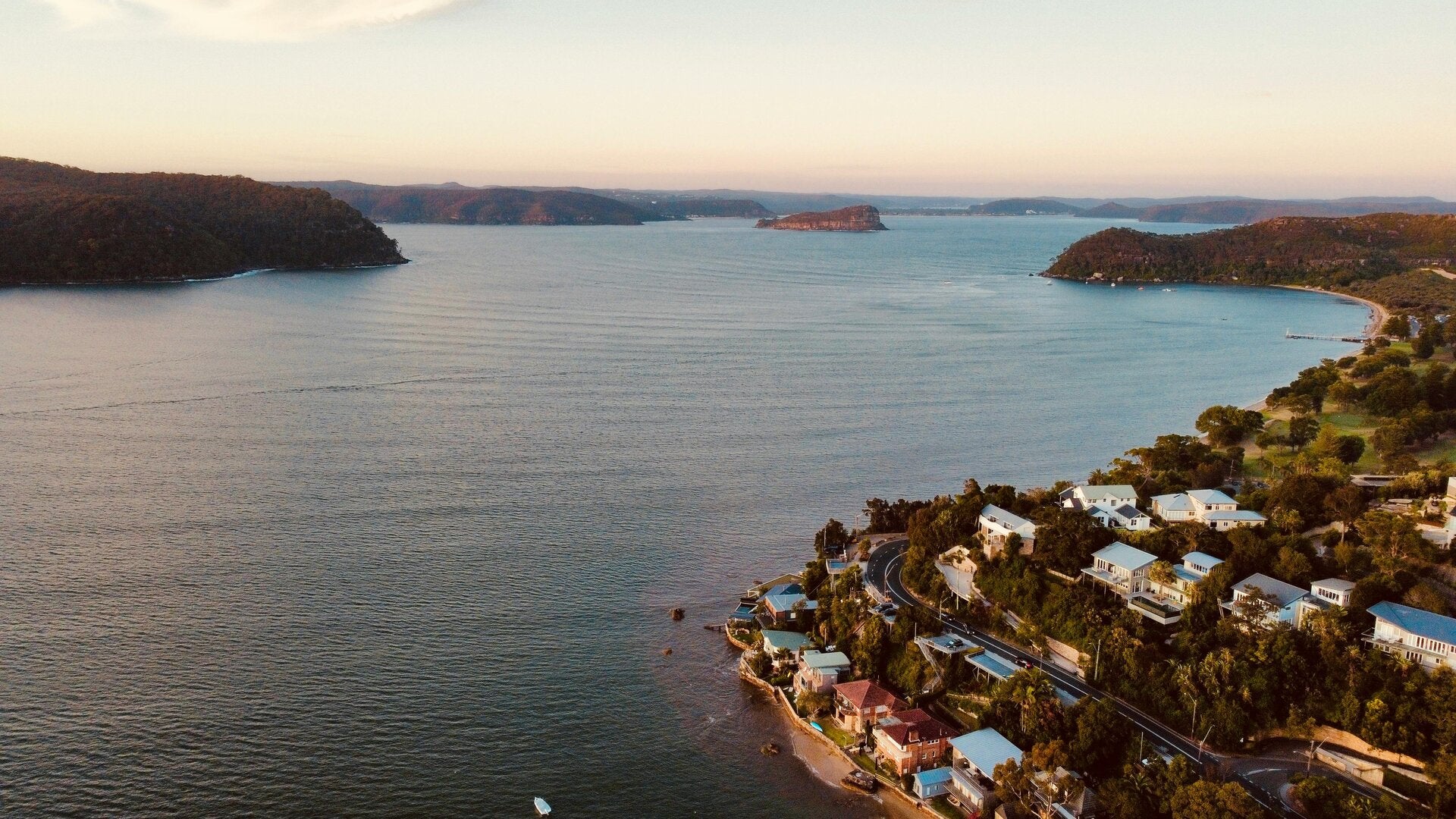
Municipal connectivity and regional networks
Regional and rural councils across Australia manage critical ports, waterways, and local aerodrome infrastructure. Within the Australians Unified infrastructure portfolio, our dedicated focus ensures regional transport hubs deliver sustained community lifelines, intermodal connections, and lasting economic vitality across Victoria and the nation.

Integrated federal, state, and local governance
True resilience depends on cohesive coordination across every tier of public administration. We support an aligned operating model linking national regulators like the Australian Maritime Safety Authority and Airservices Australia with Victorian state oversight and municipal authorities, ensuring regional assets remain fully compliant, adequately funded, and operated to the highest safety benchmarks.
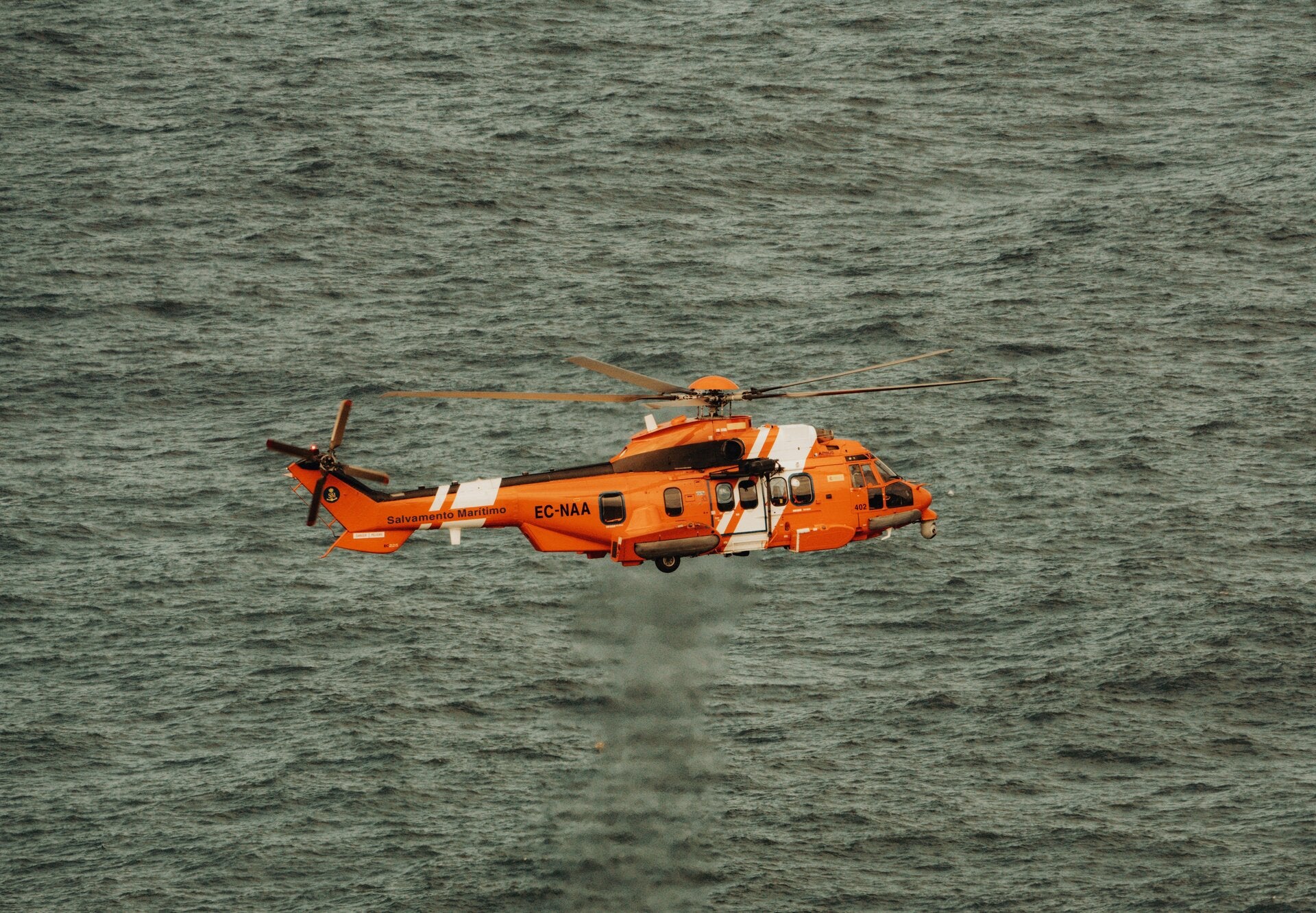
Emergency management and frontline community lifelines
Local maritime facilities and regional airstrips serve as vital front-line hubs during critical bushfire responses, marine rescue mobilisations, and medical evacuations. Our framework champions the systematic maintenance and protection of municipal transport assets so disaster responders and healthcare providers always have unimpeded access when lives are on the line.
Local ports, waterways and coastal resilience unit
The Local Ports, Waterways & Coastal Resilience Unit provides council-level planning, strategic coordination, and robust advocacy across regional Australia. We focus directly on the maintenance and modernization of local waterways, public boat ramps, jetties, harbours, marinas, and vital local port facilities that anchor municipal maritime activity.
Driven by our mission to protect and enhance local maritime assets, strengthen coastal resilience, and support sustainable Blue Economy development for future generations, we work across local government networks to secure essential foreshore protection, build climate-ready coastal infrastructure, and foster local marine innovation.
Core responsibilities and operational pillars
Delivering strategic stewardship across municipal waterways, coastal resilience, sustainable blue economy initiatives, and recreational maritime infrastructure to ensure thriving local communities.
Ports and maritime infrastructure
We lead local port advocacy, jetty renewals, public boat ramp maintenance, and marina master planning. Our targeted programs deliver safe, modern, and productive maritime facilities across Victorian and Australian coastal regions.
Waterways management and safety
Overseeing local navigation channels, dredging, recreational boating amenities, and waterway environmental health to maintain accessible, clear, and reliable inland and coastal channels for all users.
Coastal resilience and adaptation
Championing proactive erosion management, foreshore protection assets, and climate adaptation strategies to protect regional coastlines and secure sustainable community infrastructure against emerging environmental risks.
Fisheries, recreation and blue economy
Backing aquaculture growth, commercial seafood partnerships, marina activations, and recreational tourism. We foster resilient local marine enterprises that stimulate regional jobs and expand the visitor economy.
Suggested annual investment bands
Indicative annual budgets for local ports, waterways and maritime safety priorities, scaled to council size, asset complexity and coastal community needs.
Small coastal council
Suggested annual budget
A$250,000–A$500,000 annually
For smaller coastal councils maintaining boat ramps, jetties, local navigation aids, recreational access, basic dredging needs and coastal safety planning.
Medium coastal council
Suggested annual budget
A$500,000–A$1.5 million annually
For councils managing broader waterways programs, marina and harbour improvements, foreshore protection, compliance, emergency access and visitor-economy infrastructure.
Major maritime council
Suggested annual budget
A$1.5 million–A$3 million annually
For Bass Coast, East Gippsland, Wellington, Mornington Peninsula, Glenelg, Surf Coast and Warrnambool, reflecting significant maritime assets, coastal resilience works and regional safety responsibilities.
Local maritime TOWS strategic matrix
A structured strategic framework for the Local Ports, Waterways & Coastal Resilience Unit (LPWCRU) to translate municipal strengths, vulnerabilities, and emerging opportunities into measurable coastal resilience and blue economy outcomes.
SO strategy: Coastal prosperity and blue economy growth
Leverages local infrastructure and marine strengths to capture high-value tourism and regional enterprise opportunities. Focuses on activating local ports and jetties, expanding sustainable aquaculture, and scaling coastal visitor marketing to lift local tourism expenditure and generate maritime employment.
ST strategy: Coastal resilience and asset protection
Mobilises council capabilities and established emergency frameworks to counter sea-level rise, coastal erosion, and waterway hazards. Directs resources toward proactive adaptation plans, foreshore restoration, environmental protection, and multi-agency marine incident readiness.
WO strategy: Maritime innovation and digital transformation
Overcomes ageing assets and fragmented reporting through digital technology and structured governance. Implements smart waterways with real-time sensors, integrates local performance into national BOMS dashboards, and fosters local coastal innovation hubs and startup incubators.
WT strategy: Maritime sustainability and future readiness
Minimises vulnerabilities from deferred maintenance and coastal demographic shifts against rising operational costs. Delivers long-term infrastructure renewal programs, local maritime workforce apprenticeships, and an integrated fiscal sustainability framework aligned to 2038 milestones.
10-Year implementation roadmap and strategic architecture (2028–2038)
The Local Ports, Waterways & Coastal Resilience Unit (LPWCRU) operates across a rigorous 5-phase rollout connecting municipal maritime assets directly to national prosperity. From initial establishment and governance audits in Year 1 through to the delivery of smart jetties, fisheries infrastructure, and coastal innovation hubs in Years 2 to 5, our Gold Standard framework ensures every local harbour and public boat ramp satisfies federal safety and economic benchmarks.
By Years 6 through 10, the roadmap scales regional port networks, carbon-neutral foreshore facilities, and export-ready aquaculture clusters. Underpinned by our clear motto, "Protecting Waterways. Strengthening Coasts. Growing Maritime Prosperity," local project data feeds directly through the Municipal Maritime Dashboard into state VMSBEA oversight and the national BOMS architecture to deliver unified maritime sovereignty nationwide.
Risk and dependency register
Supporting the Local Ports, Waterways & Coastal Resilience Unit (LPWCRU) roadmap under the Australians Unified Gold Standard Maritime Framework for structured governance, risk mitigation, and BOMS reporting.
| Strategic risk and rating | Mitigation action |
|---|---|
| R1: Climate change and coastal erosion (Extreme) | Coastal adaptation plans, asset relocation strategies, and resilience funding |
| R2: Insufficient maritime funding (Extreme) | Multi-source grant funding strategy and long-term capital planning |
| R3: Jetty and boat ramp asset failures (High) | Asset condition audits and scheduled renewal programs |
| R4: Fisheries and aquaculture losses (High) | Fisheries management partnerships and marine habitat restoration |
| R5: Limited workforce availability (High) | Maritime workforce development and training partnerships |
| R6: Waterway pollution incidents (High) | Environmental monitoring and emergency response protocols |
| R7: Lack of State or Federal support (High) | Formal partnership agreements and joint planning frameworks |
| R8: Community opposition to projects (Moderate) | Community engagement and ongoing stakeholder consultation |
| R9: Extreme weather on infrastructure (Extreme) | Infrastructure resilience standards and emergency recovery planning |
| R10: Fragmented reporting systems (Moderate) | Full BOMS integration and standardised KPI reporting |
| Intergovernmental dependency | Agency and criticality |
|---|---|
| Maritime governance framework | AMSSA (High criticality) |
| Blue economy programs | AMSSA (High criticality) |
| Search and rescue capabilities | AMSA / AMSSA (Medium criticality) |
| Maritime sovereignty policies | Federal Government (High criticality) |
| Regional grant programs | Commonwealth Agencies (High criticality) |
| Victorian Maritime Safety & Blue Economy Authority | VMSBEA (High criticality) |
| Ports Victoria & Regional Development Victoria | State Entities (High criticality) |
| Council budget and community support | Local Council & Community (High criticality) |
| Roadmap implementation phase | Core risk focus and success measure |
|---|---|
| Year 1: Organisational readiness | Establish LPWCRU and complete audits; governance operational |
| Years 2–3: Funding procurement | Develop grant pipeline and business cases; 50% funding leverage |
| Years 4–5: Infrastructure renewal | Jetty renewals and marina upgrades; annual asset gains |
| Years 6–8: Climate adaptation | Coastal resilience projects; reduction in vulnerable assets |
| Years 9–10: Long-term sustainability | Lifecycle asset model and workforce; sustainable BOMS framework |
BOMS risk reporting framework and 2038 strategic targets
The BOMS Risk Reporting Framework institutes disciplined multi-tiered oversight across all local ports and coastal waterways. On a monthly basis, authorities track asset condition indicators, project delivery status, and incident reporting. Quarterly cycles monitor grant funding performance, operational KPI achievement, and coastal resilience progress. These culminate in an annual Maritime Prosperity Report, comprehensive Risk Register review, Dependency Assessment, and Public Wealth Contribution Statement to maintain total transparency.
Under our core strategic principle—"Every identified risk must have an owner, a treatment plan, a funding pathway, a reporting requirement, and a measurable outcome"—we are committed to decisive key targets by 2038: 100% of maritime assets maintained in acceptable condition, 100% critical infrastructure risk-assessed, 75% external funding leverage achieved, full climate adaptation plans enacted, an operational maritime workforce succession pipeline, and an integrated Federal-State-Local reporting architecture with a fully functional BOMS Maritime Layer.
Key benefits for Australian local waterways
Our integrated maritime framework connects local councils with national standards to secure sustainable funding, strengthen climate resilience, and safeguard vital coastal lifelines across Australia.
Protected community lifelines
Ensuring regional harbours, public boat ramps, and emergency jetties remain operational and secure for bushfire responses, marine rescue mobilisations, and critical medical evacuations.
Coordinated national funding
Bridging municipal infrastructure with federal and state funding pipelines, achieving targeted capital leverage and eliminating deferred maintenance backlogs across regional maritime assets.
Sustainable blue economy
Fostering local tourism, recreational boating access, and resilient coastal aquaculture to generate long-term regional jobs while protecting fragile marine environments.
Local ports and maritime authority FAQ
Common inquiries regarding council waterways governance, maritime asset maintenance, intergovernmental coordination, and coastal resilience across Australia.