Australian Electoral Commission (AEC)
As part of the Australians Unified Accountability Portfolio, this overview outlines the vital role of the Australian Electoral Commission as Australia's independent electoral authority. The AEC maintains the Commonwealth Electoral Roll, conducts federal elections and referendums, regulates electoral processes, and supports democratic participation across the nation. Its mission is to ensure Australian elections remain fair, transparent, independent, and accessible while upholding public trust in our democracy.
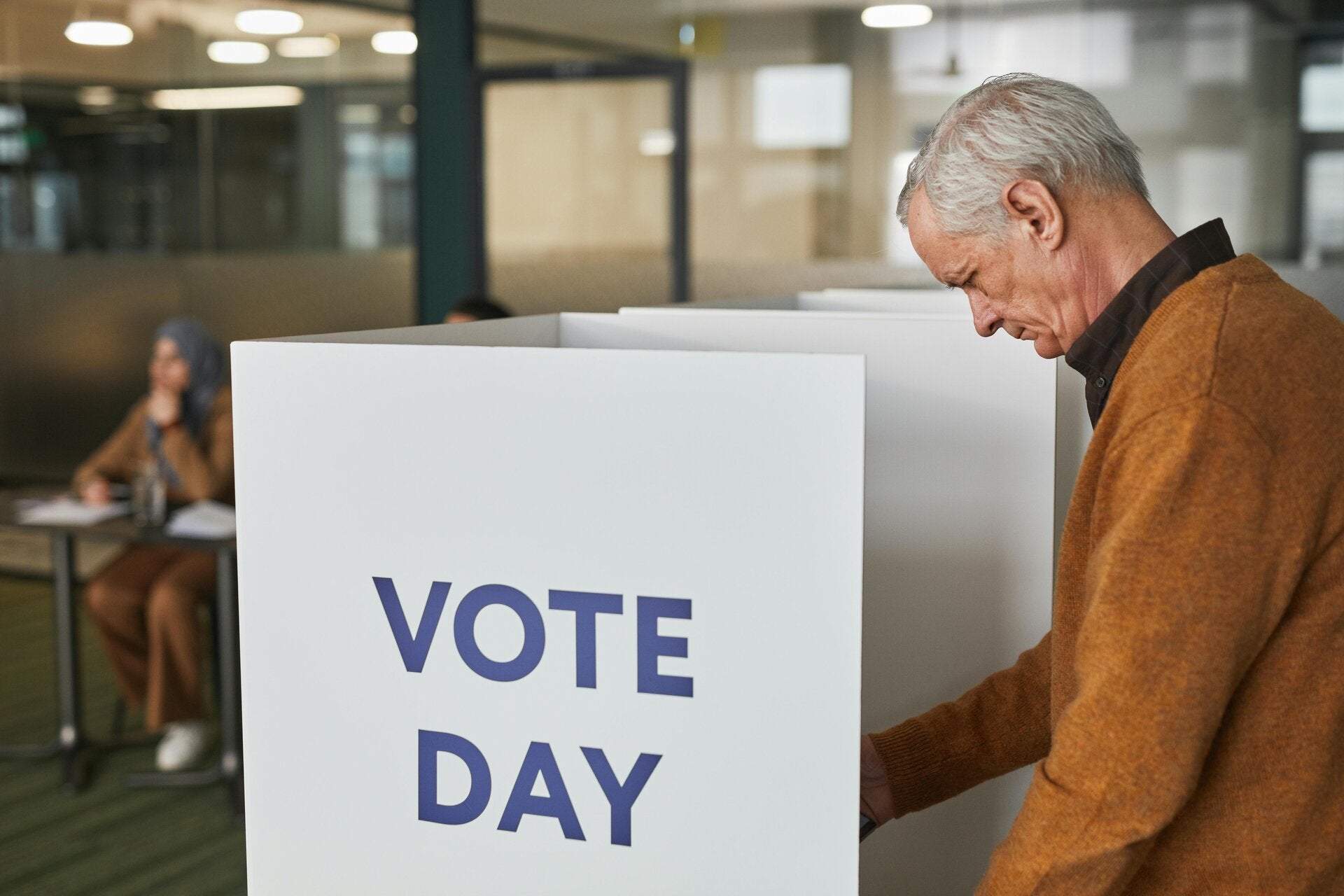
Federal elections and event delivery
Delivering secure and trustworthy national elections requires rigorous logistical planning, complete operational neutrality, and steadfast integrity. Key operational responsibilities include:
- Federal elections and nationwide referendums
- By-elections and local representation transitions
- Comprehensive election administration
- Polling operations across urban, regional, and remote Australia
- Rigorous election counting and verification procedures
- Comprehensive electoral event delivery and voter logistics

Policy issues and electoral amendments
A healthy democracy requires ongoing review to ensure every Australian voice is counted accurately and securely. Australians Unified reviews priorities for policy enhancements, such as:
- Thorough election process reviews and post-event audits
- Voting accessibility improvements for remote communities and diverse needs
- Modern administrative reforms to streamline roll management
- Election integrity measures to combat misinformation and safeguard ballots
- Electoral participation initiatives promoting civic education
- Modernisation of systems to enhance accessibility and public trust

Legislative reform focus
Democratic transparency rests upon strong legal structures. The Accountability Portfolio champions principled legislative oversight and governance clarity across three core areas:
- Modernisation and reinforcement of the Commonwealth Electoral Act 1918
- Strengthening robust electoral administration frameworks
- Clarifying voting requirements to maintain an inclusive, reliable franchise
Explore our wider accountability platform to discover how Australians Unified works toward transparent, accountable governance for every Australian citizen.
The Australian Electoral Commission (AEC) is Australia's independent electoral authority.
The AEC maintains the Commonwealth Electoral Roll, conducts federal elections and referendums, regulates electoral processes and supports democratic participation across Australia. [aec.gov.au], [transparency.gov.au]
The Commission helps ensure elections are fair, transparent, independent and accessible while maintaining public confidence in Australia's democratic system.

🗳 Federal Elections
- Federal Elections
- By-Elections
- Election Administration
- Polling Operations
- Election Counting
- Electoral Event Delivery
📜 Policy Issues & Amendments
- Election Process Reviews
- Voting Accessibility Improvements
- Electoral Administration Reforms
- Election Integrity Measures
- Electoral Participation Initiatives
- Electoral System Modernisation
⚖️ Legislative Reform Focus
- Commonwealth Electoral Act 1918
- Electoral Administration Frameworks
- Voting Requirements
- Electoral Integrity Standards
🏛 Governance Issues & Reforms
- Election Integrity
- Voter Confidence
- Electoral Transparency
- Independent Administration
- Election Accessibility
- Public Trust

📝 Electoral Roll Management
- Electoral Roll Maintenance
- Voter Registration
- Enrolment Updates
- Electoral Integrity Checks
- Roll Verification
- Enrolment Awareness Programs
📜 Policy Issues & Amendments
- Enrolment Process Improvements
- Voter Registration Modernisation
- Electoral Roll Accuracy Enhancements
- Digital Enrolment Systems
- Youth Enrolment Strategies
- Participation Reforms
⚖️ Legislative Reform Focus
- Commonwealth Electoral Act 1918
- Electoral Roll Requirements
- Voter Eligibility Provisions
- Enrolment Standards
🏛 Governance Issues & Reforms
- Roll Accuracy
- Enrolment Participation
- Accessibility
- Electoral Integrity
- Data Quality
- Public Confidence

🗳 Referendums & Constitutional Voting
- Federal Referendums
- Constitutional Referendums
- Voting Administration
- Referendum Education
- Public Information Campaigns
- Result Management
📜 Policy Issues & Amendments
- Referendum Process Reviews
- Voter Information Improvements
- Constitutional Awareness Initiatives
- Participation Programs
- Electoral Education Enhancements
- Voting Accessibility Measures
⚖️ Legislative Reform Focus
- Referendum (Machinery Provisions) Act 1984
- Constitutional Voting Frameworks
- Referendum Administration Standards
🏛 Governance Issues & Reforms
- Democratic Participation
- Electoral Transparency
- Constitutional Legitimacy
- Voter Confidence
- Information Accessibility
- Public Trust

💰 Political Disclosure & Transparency
- Financial Disclosure
- Political Party Reporting
- Election Funding Transparency
- Disclosure Compliance
- Public Reporting
- Regulatory Oversight
📜 Policy Issues & Amendments
- Disclosure Framework Reviews
- Electoral Funding Reforms
- Transparency Improvements
- Compliance Enhancements
- Reporting Modernisation
- Public Accountability Measures
⚖️ Legislative Reform Focus
- Commonwealth Electoral Act 1918
- Political Disclosure Requirements
- Funding Transparency Standards
- Electoral Compliance Frameworks
🏛 Governance Issues & Reforms
- Financial Transparency
- Electoral Accountability
- Compliance Monitoring
- Public Confidence
- Democratic Integrity
- Open Government
📚 Electoral Education & Participation
- Electoral Education
- Civic Education Programs
- Community Awareness Campaigns
- School Resources
- Voter Participation Programs
- Democratic Engagement
📜 Policy Issues & Amendments
- Electoral Education Reviews
- Civic Participation Programs
- Democratic Awareness Initiatives
- Community Engagement Improvements
- Youth Participation Strategies
- Education Accessibility Enhancements
⚖️ Legislative Reform Focus
- Electoral Education Frameworks
- Democratic Participation Initiatives
- Inclusion & Accessibility Standards
🏛 Governance Issues & Reforms
- Democratic Engagement
- Voter Participation
- Civic Literacy
- Public Confidence
- Electoral Awareness
- Community Inclusion
🗺 Electoral Boundaries & Redistributions
- Electoral Redistributions
- Boundary Reviews
- Representation Analysis
- Population Distribution Reviews
- Electoral Fairness
- Representation Assessments
📜 Policy Issues & Amendments
- Redistribution Reviews
- Representation Reforms
- Demographic Analysis Improvements
- Electoral Mapping Modernisation
- Boundary Consultation Processes
- Electoral Representation Enhancements
⚖️ Legislative Reform Focus
- Representation Act 1983
- Electoral Redistribution Standards
- Democratic Representation Frameworks
🏛 Governance Issues & Reforms
- Fair Representation
- Population Equality
- Electoral Fairness
- Transparency
- Community Trust
- Democratic Legitimacy
✅ OUR STRENGTHS
- Independent Electoral Authority
- Trusted Democratic Institution
- National Electoral Expertise
- Strong Electoral Roll Systems
- Transparent Electoral Processes
- High Public Confidence
⚠️ OUR WEAKNESSES
- Growing Electoral Complexity
- Rising Misinformation Risks
- Participation Challenges
- Increasing Administrative Demands
- Rapid Technology Change
- Public Awareness Gaps
🚨 OUR THREATS
- Electoral Misinformation
- Foreign Interference
- Cyber Security Risks
- Declining Civic Participation
- Disinformation Campaigns
-
Erosion Of Public Trust
🚀 OUR OPPORTUNITIES
-
Digital Democracy Education
- Greater Electoral Participation
- Improved Transparency
- Enhanced Electoral Security
- Better Voter Accessibility
- Stronger Democratic Engagement
🚀 AU IMPLEMENTATION ROADMAP
2026-2027
Foundation Stage
- Improve enrolment participation
- Strengthen electoral awareness
- Enhance disclosure transparency
- Improve electoral security
Outcome: Stronger democratic participation.
2028-2030
Integration Stage
- Expanded civic education
- Improved electoral accessibility
- Enhanced transparency systems
- Stronger voter confidence
Outcome: More engaged and informed voters.
2031-2035
Transformation Stage
- Future-ready electoral systems
- Advanced electoral integrity capabilities
- Strong democratic participation
- Highly trusted electoral administration
Outcome: A resilient and trusted democratic system.
Australians Unified electoral competition snapshot
A four-part snapshot of federal House representation and public election funding, comparing major parties, minor parties and independents. The figures below show how parliamentary seats and public funding are distributed across Australia’s electoral landscape.

Federal House representation
Total: 150 seats (100%)
- Major parties: 135 seats — 90.0%
- Minor parties: 5 seats — 3.3%
- Independents: 10 seats — 6.7%
Major parties hold nine in every 10 seats in the federal House of Representatives, while independents and minor parties account for the remaining 10.0%.

Public election funding
Total: $93.85M (100%)
- Major parties (Labor + Liberal): $65.24M — 69.5%
- Other parties: $25.26M — 26.9%
- Independents: $3.35M — 3.6%
Public election funding is concentrated among the major parties, with other parties receiving more than a quarter of the total and independents receiving 3.6%.

Representation share
Federal House of Representatives share
- Major parties: 90.0%
- Independents: 6.7%
- Minor parties: 3.3%
This comparison highlights the difference in parliamentary representation between the major-party bloc and candidates elected outside it. Independents hold twice the representation share of minor parties.

Public funding share
Share of $93.85M in public election funding
- Major parties: 69.5%
- Minor parties: 26.9%
- Independents: 3.6%
The funding profile differs from the representation profile: minor parties receive 26.9% of public funding while holding 3.3% of House seats, and independents receive 3.6% of funding while holding 6.7% of seats.
Electoral competition, funding and participation
Australians Unified compares campaign spending limits, federal House representation, public election funding and campaign resources to support an informed discussion about fair democratic competition in Australia.
Campaign spending limits
Indicative campaign spending caps show the scale of competition across participant types:
- Major political party: approximately $90,000,000
- Independent candidate: approximately $800,000
- House candidate: approximately $800,000
- Third-party campaigner: approximately $11,250,000
Clear, transparent limits are important to public confidence in electoral participation.

Electoral resource comparison
Major parties, minor parties and independents operate with markedly different levels of representation, funding and organisational capacity.
- House representation: 90.0% / 3.3% / 6.7%
- Public funding: 69.5% / 26.9% / 3.6%
- National infrastructure: high / moderate / low
- Parliamentary resources: high / moderate / low
- Campaign capacity: high / moderate / low
Order: major parties, minor parties, independents.

Australians Unified observation
- Representation: major parties hold 90.0% of federal House seats.
- Funding: major parties receive 69.5% of public election funding.
- Independents: hold 6.7% of House seats but receive 3.6% of public funding.
- Minor parties: hold 3.3% of House seats while receiving 26.9% of public funding, reflecting vote share across multiple electorates and Senate contests.
These comparisons illustrate that representation, funding and campaign reach do not always align.

A fair competition principle
Key statistic
- Major parties: 90.0% representation and 69.5% public funding
- Minor parties and independents combined: 10.0% representation and 30.5% public funding
Australians Unified supports democratic competition that balances voter support, public funding, transparency and fair access to political participation—so Australians can make informed choices between major parties, minor parties and independents on a level playing field.
Australians Unified Principle
Democratic competition should balance voter support, public funding, transparency and fair access to political participation so Australians can choose between major parties, minor parties and independents on an informed and level playing field. 🇦🇺🗳️📊💰
Australians Unified electoral fair competition roadmap
Status: Australians Unified proposed reform — not current law. This strategic AEC electoral equity and democratic participation framework aims to create a fairer electoral system without advantaging minor parties or disadvantaging major parties. It protects voter choice while improving transparency, accountability, competition, policy quality and community support.
Current federal House representation is 90.0% major parties, 3.3% minor parties and 6.7% independents; public election funding is 69.5%, 26.9% and 3.6% respectively. Australians Unified identifies a reinforcing cycle: more seats can mean more funding, staff, infrastructure and visibility—leading to more seats. The roadmap proposes a level playing field for major parties, minor parties and independents.
Phase 1: fair access, 2028–2030
Electoral fair access package
- Equal AEC candidate-listing visibility for every registered party.
- Equal access to official voter-information portals and standard candidate profile pages.
- Public links to party policies and costings.
- Equal Parliamentary Budget Office policy-costing access for registered parties and independents, with equal publication opportunities and a public costing database.
- A federal debate equity framework including major parties, qualifying minor parties and qualifying independents under objective criteria.

Phase 2: participation support, 2031–2033
Democratic participation fund
Every registered political party would receive baseline electoral support so participation is not determined solely by existing organisational scale.
- Base administration grants.
- Compliance support funding.
- Candidate training access.
- Electoral literacy support.
Independent candidates would receive a starter package, compliance assistance and election-administration support to participate credibly and responsibly.

Phase 3: funding reform, 2034–2035
Public funding model
The proposed model moves beyond votes-only funding to base funding + vote funding + performance funding.
- 25% equal base distribution for registered political parties.
- 50% vote-based distribution.
- 25% transparency and compliance incentive.
A dedicated independent candidate fund would assess candidate legitimacy, compliance, transparency and community participation—rewarding responsible public engagement rather than political advantage.

Phase 4: competition framework, 2036–2037
National democratic competition framework
An Electoral Resource Equity Index would measure funding equity, debate access, media access, policy-costing access, candidate participation and community engagement.
Transparency-first donation reform: real-time donation reporting, a public donation dashboard, donor-category reporting and third-party funding disclosure. Large donations remain legal, subject to full and immediate transparency, beneficial-ownership disclosure and influence reporting.
Every registered party would receive AEC training resources, candidate compliance support, policy-costing access, a public profile page, electoral-information distribution, cybersecurity guidance and financial compliance tools.
Electoral fairness KPI dashboard
Australians Unified proposes a fairer, more transparent electoral system where major parties, minor parties and independents can compete meaningfully while voters have clearer information and stronger choice.
| KPI | 2028 | 2032 | 2037 |
|---|---|---|---|
| Electoral Competition Index | 100 | 130 | 190 |
| Voter Choice Index | 100 | 135 | 200 |
| Candidate Participation Index | 100 | 130 | 185 |
| Funding Transparency Index | 100 | 150 | 250 |
| Independent Candidate Participation | 100 | 140 | 210 |
| Minor Party Participation | 100 | 135 | 200 |
| Public Trust in Elections | 100 | 130 | 190 |
Australians Unified electoral principles
Major parties
- Continue receiving vote-based funding.
- Continue competing nationally.
- Continue receiving representation-based resources.
Minor parties
- Receive baseline electoral support.
- Have equal policy-costing access.
- Have equal voter information access.
- Receive greater visibility.
Independents
- Receive a dedicated support framework.
- Receive administrative assistance.
- Meet equal transparency requirements.
- Have equal voter information access.
Australians Unified outcome
Major parties, minor parties and independents → fair competition → better policies → better voter choice → stronger democracy.
Australians Unified principle: Democracy works best when voters can choose from major parties, minor parties and independents on a fair and transparent basis. Electoral funding should reward public support while ensuring all Australians have meaningful access to political participation, information and representation. 🇦🇺 🗳️ ⚖️
Electoral fair competition reform framework
Australians Unified proposed reform — not current law. This four-part framework sets out the legislative changes, implementation pathway, funding model and public measures proposed to make federal electoral competition fairer, more transparent and more accessible for registered political parties, independent candidates and voters.

Legislative changes required
Commonwealth Electoral Act 1918 amendments
- Establish an Electoral Fair Competition Framework.
- Create baseline democracy funding.
- Create an independent candidate support stream.
- Mandate equal access to Parliamentary Budget Office (PBO) policy costings.
- Mandate public candidate information portals.
- Create Electoral Resource Equity Reporting.

Equal access and AEC powers
Parliamentary Service Act amendments
- Expand PBO access to all registered parties.
- Expand PBO access for independents.
- Publish costing outcomes equally.
- Create a public costing register.
AEC reform powers
- Administer the baseline funding program and compliance grants.
- Operate a transparency dashboard.
- Monitor campaign fairness indicators.

Implementation roadmap
Phase 1, 2028–2030: access equity — equal PBO access, a candidate information portal, standardised candidate profiles and a transparency dashboard. Outcome: equal information access.
Phase 2, 2031–2033: resource equity — baseline funding for registered parties, independent candidate support grants, compliance assistance funding and candidate training programs. Outcome: reduced structural disadvantage.
Phase 3, 2034–2035: funding reform — a 25% base funding pool, 50% vote-based funding pool, 25% accountability and compliance pool, and an Independent Participation Fund. Outcome: fairer funding allocation.
Phase 4, 2036–2037: Electoral Competition Framework — an Electoral Fairness Index, Campaign Equity Reporting, participation scorecards and an independent system review. Outcome: sustainable electoral competition.
Funding formula and success measures
Registered political parties
- 25% equal base allocation.
- 50% based on votes received.
- 25% based on transparency and compliance performance.
Independents
- Candidate establishment grant.
- Policy costing grant.
- Compliance support grant.
- Vote-based funding.
Success measures
- Increased candidate participation and voter choice.
- Increased independent representation and minor party participation.
- 100% funding transparency and equal policy-costing access.
- Increased public trust.
Australians Unified supports a "fair competition" model, not preferential treatment. Every registered party and independent should have a realistic ability to participate, while funding continues to reward voter support, transparency and accountability. 🇦🇺🗳️⚖️
Constitutional and electoral fair competition reform
Australians Unified proposed reform — not current law. Australia’s Constitution does not establish a two-party system: Australians may vote for candidates and parties of their choice, while minor parties and independents may contest elections. Parliament sets electoral funding and administration through legislation. Australians Unified proposes practical safeguards that preserve preferential voting, proportional Senate representation, political neutrality and democratic choice while reducing structural barriers to effective participation.

Constitutional neutrality
Current position and structural reality
- No party receives constitutional preference.
- All parties remain equal before electoral law.
- Voters retain freedom of political choice.
- Parliamentary democracy remains unchanged.
In practice, major parties hold most parliamentary seats, public funding largely follows votes received, parliamentary resources largely follow seats held, and major parties retain significant organisational advantages.
Australians Unified principle: preserve preferential voting and proportional Senate representation while increasing fair competition, voter choice, transparency and participation.

Fair access safeguards
Proposed Electoral Fair Access Act
- Equal Parliamentary Budget Office policy-costing access.
- Equal Australian Electoral Commission information access.
- Equal candidate profile publication.
- Equal compliance assistance.
Democratic Competition Test
No reform may create a monopoly for major parties, unreasonably disadvantage minor parties or independents, or restrict democratic participation.
These safeguards support informed voter choice without changing Australia’s parliamentary democracy.
Resource equity framework
Proposed resource allocation model
Current model: votes → seats → funding → resources.
Australians Unified model: base democracy support + votes received + transparency compliance + community participation → resources.
- Baseline support for registered political parties.
- Baseline support for independents.
- Vote-based funding retained.
- Transparency incentives retained.
The objective is fairer access, not preferential treatment: electoral laws should continue to reward voter support while helping participants meet minimum participation needs.
Minimum participation support
Registered political parties
- Compliance grant.
- Policy-costing access.
- Candidate training.
- Cyber security support.
- Transparency systems.
Independents
- Candidate information package.
- Policy-costing access.
- Compliance support.
- Transparency tools.
- Electoral training.
Constitutional outcome: retain preferential voting, democratic choice, proportional representation and political neutrality; improve electoral fairness; reduce barriers to entry; and strengthen representative democracy.
Frequently asked questions about the AEC
Learn how the Australian Electoral Commission administers federal elections, maintains roll integrity, enforces political disclosure, and safeguards democratic trust across Australia.