State chemical use regulation and agricultural chemical compliance
Agriculture Victoria regulates the use of agricultural and veterinary chemicals across the state to guarantee responsible management, food safety, and environmental protection. Discover the frameworks safeguarding Victorian produce and rural ecosystems.
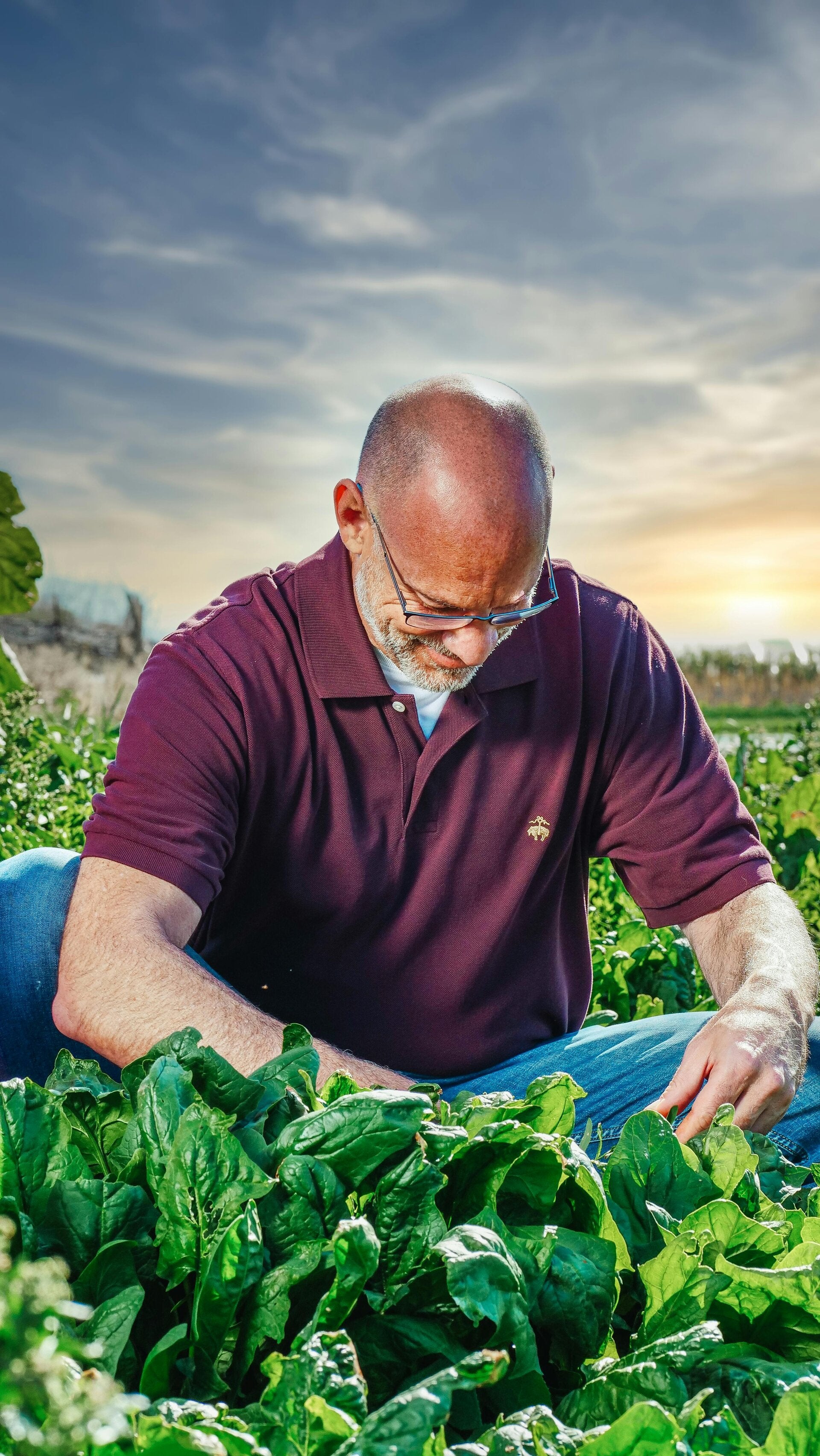
Chemical use regulation and safe application practices
Agriculture Victoria sets rigorous standards for agricultural and veterinary chemical use. Through targeted user education, regulatory oversight, and safe application frameworks, landholders and primary producers are supported in managing pests and livestock safely while eliminating off-target chemical drift and safeguarding local community health.

Surveillance, residue monitoring and risk assessments
Active surveillance and continuous testing protect Victoria’s food chain. Regulatory officers perform comprehensive commodity testing, inspections, and residue monitoring programs to ensure that all produce remains entirely safe for human consumption and complies with domestic and international trade standards.
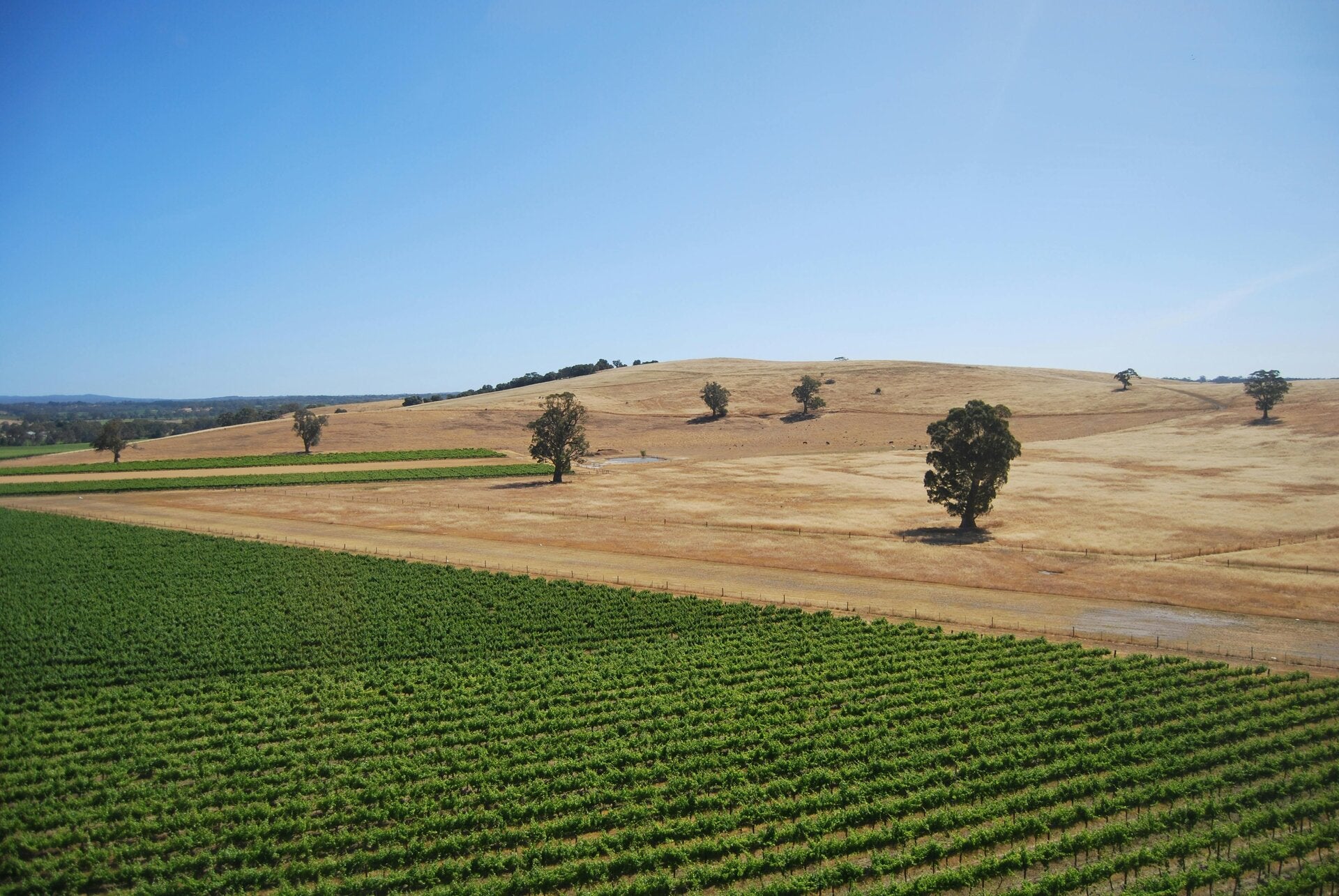
Safeguarding Victoria's land, water and primary produce
Maintaining transparent compliance safeguards natural waterways, native flora, and surrounding agricultural systems. By uniting state standards with community responsibility, Victoria preserves environmental resilience and secures long-term biosecurity integrity for generations to come.
Victorian Agricultural Chemicals & Environmental Safety Authority (VACESA)
Executive overview and mission: Operating under the State Agriculture Victoria portfolio, VACESA is an independent statutory regulatory authority serving as Victoria's state counterpart to the national APVMA. While the APVMA governs national chemical registration, VACESA regulates chemical use, on-ground application, biosecurity compliance, and environmental protection under the Agricultural and Veterinary Chemicals (Control of Use) Act 1992. Its mission is to protect Victoria's people, animals, food systems, and environment through science-based agricultural chemical regulation, residue monitoring, and active enforcement.
Vision 2050 and governance architecture: VACESA drives Victoria toward becoming Australia's safest and most ecologically responsible jurisdiction by eliminating chemical misuse, protecting waterways and pollinators, and accelerating low-risk innovation to protect export markets. Accountable to the Victorian Parliament and the Minister for Agriculture, the VACESA Board and Chief Executive Officer oversee five specialised operational branches: the Chemical Compliance Division, Environmental Protection Division, Veterinary Safety Division, Compliance & Enforcement Division, and Chemical Risk Intelligence Division.
Core regulatory divisions and public value
Our specialised divisions deliver rigorous oversight, scientific intelligence, and enforcement across Victoria. Together, they protect primary producers, public health, natural ecosystems, and livestock stewardship.
Chemical compliance division
Responsible for agricultural chemical audits, commercial operator licensing, spray application compliance, formal investigations, and certification systems. Outcome: Safe and lawful chemical use across all Victorian agricultural settings.
Environmental protection division
Overseeing pollinator protection, waterway monitoring, biodiversity impacts, spray drift analysis, and broader ecosystem protection. Outcome: Rigorous safeguarding of Victoria's natural environment and sensitive waterways.
Veterinary chemical safety division
Managing veterinary chemical compliance, residue monitoring, animal health product use, and welfare standards. Outcome: Improved chemical stewardship and reduced residue risks within livestock industries.
Compliance, enforcement & intelligence
Executing field inspections, enforcement actions, incident responses, and resistance surveillance alongside state-wide risk forecasting. Outcome: Uncompromising regulatory confidence and data-driven threat mitigation.
SWOT analysis: Victorian chemical-use compliance
This SWOT analysis identifies the internal strengths and weaknesses, alongside the external opportunities and threats, shaping a modern Victorian approach to agricultural and veterinary chemical regulation, environmental protection and producer confidence.

Strengths
- State regulatory powers: Victoria already has strong legislative authority over chemical use and enforcement.
- Existing compliance infrastructure: Agriculture Victoria operates chemical-use compliance programs, providing a solid operational foundation.
- Strong agricultural sector: Export-focused Victorian agriculture creates clear incentives for high chemical-stewardship standards.
- Established legislative framework: The Agricultural and Veterinary Chemicals (Control of Use) Act 1992 provides significant monitoring and enforcement powers.

Weaknesses
- Fragmented monitoring systems: Chemical compliance, environmental monitoring and residue programs are spread across multiple agencies.
- Limited real-time intelligence: Current reporting is largely compliance-based rather than predictive.
- Resource-intensive monitoring: Environmental protection and chemical investigations require significant field resources.
- Growing complexity: Emerging technologies and new chemical products are increasing regulatory complexity.

Opportunities
- Pollinator protection leadership: Victoria can become Australia’s leading pollinator-protection jurisdiction.
- Chemical risk intelligence: Develop predictive chemical-risk monitoring systems.
- Biopesticide adoption: Support safer alternative technologies and biological products.
- Digital compliance systems: Modernise reporting, licensing and inspection systems.
- Precision agriculture: Support improved chemical efficiency through technology adoption.

Threats
- Chemical resistance: Increasing herbicide, insecticide and antibiotic resistance threatens productivity.
- Climate change: New pests and diseases may increase chemical-use pressures.
- Waterway contamination: Agricultural runoff presents environmental risks.
- Public confidence: Community concern about chemical use can undermine trust.
- Biosecurity threats: Emerging pests may require rapid chemical responses.
Victoria’s safe agriculture leadership program
A TOWS strategy for safer agricultural chemical use in Victoria. Four connected programs turn regulatory strength, agricultural capability, scientific monitoring and digital innovation into stronger protection for people, produce, pollinators, waterways and rural ecosystems.
SO strategy: safe agriculture leadership
Leverage Victoria’s regulatory powers and strong agricultural sector to build Australia’s most advanced sustainable chemical stewardship framework.
Actions: State-wide Pollinator Protection Strategy; Victorian Sustainable Chemical Use Program; Precision Agriculture Chemical Reduction Initiative; and Chemical Stewardship Accreditation Scheme.
Outcome: Victoria becomes the national benchmark for responsible agricultural chemical management.

ST strategy: chemical risk resilience
Use scientific monitoring and regulatory powers to address emerging environmental, climate and biosecurity risks before they become larger threats.
Actions: Establish a State Chemical Risk Observatory, resistance monitoring systems, climate-related pest forecasting, and expanded water quality monitoring.
Outcome: Earlier identification and management of chemical risks across Victoria.

WO strategy: smart compliance modernisation
Use digital technologies to overcome fragmented systems and improve the efficiency, coordination and responsiveness of chemical regulation.
Actions: Deliver digital reporting platforms, AI-supported compliance analytics, integrated inspection systems, and a Chemical Intelligence Dashboard.
Outcome: More effective, connected and cost-efficient regulation for producers, regulators and communities.

WT strategy: long-term environmental protection
Reduce regulatory and environmental risks through stronger monitoring, shared stewardship and future-focused planning.
Actions: Commit to long-term ecological monitoring, environmental stewardship partnerships, research collaborations with Agricultural Research and Innovation Victoria, and future chemical impact assessments.
Outcome: Stronger environmental resilience for Victoria’s land, water, biodiversity and agricultural future.
Victorian Agricultural Chemicals & Environmental Safety Authority Bill 2028
Executive summary: Australians Unified proposes the Victorian Agricultural Chemicals & Environmental Safety Authority (VACESA) as a statutory authority to make Victoria Australia’s safest and most environmentally responsible agricultural chemical jurisdiction while supporting productive, innovative farming. The draft reform package establishes five connected programs: chemical risk intelligence, pollinator protection, digital compliance, waterway protection and sustainable agricultural chemicals.
The proposed Victorian Agricultural Chemicals & Environmental Safety Authority Act 2028 would protect human health, livestock and animal welfare, biodiversity, pollinators, waterways and sustainable agricultural productivity. VACESA would complement—not replace—the national APVMA: the APVMA would retain product registration and approvals, while VACESA would oversee chemical use, compliance, monitoring, environmental protection and state-based enforcement.
The proposed $90 million annual model ($900 million over 10 years; approximately $630 million discounted at 7%) funds chemical compliance, environmental protection, veterinary safety, enforcement, intelligence, pollinator protection, digital systems and administration. Estimated benefits range from $1.5 billion to $5 billion, representing a benefit-cost ratio of 1.7 to 5.6. By 2038, VACESA is intended to serve as Victoria’s chemical intelligence, agricultural compliance, pollinator protection and waterway chemical monitoring authority. Safe use. Healthy environment. Sustainable agriculture.

Chemical risk observatory
Reform 1: establish Victoria’s first permanent Chemical Risk Observatory within VACESA to unite currently dispersed incident reporting, environmental monitoring, compliance intelligence and resistance tracking.
Draft clauses 6–7: the Observatory must monitor chemical incidents and misuse; track herbicide, insecticide and fungicide resistance; identify emerging contaminants and cumulative environmental impacts; undertake horizon scanning and strategic risk assessments; and publish an annual Victorian Chemical Risk Report.
Result: earlier resistance detection, better evidence for regulatory decisions, stronger environmental protection and lower long-term compliance costs.

Pollinator protection framework
Reform 2: create a statewide framework to protect bees, native pollinators, beneficial insects and the ecosystem services vital to Victorian food production.
Draft clauses 8–9: VACESA must monitor bee populations, assess chemical impacts on beneficial insects, support pollinator-friendly farming and habitat initiatives, develop pollinator risk assessments, and publish a Pollinator Protection Report every two years.
Result: improved pollination services and horticultural productivity, reduced biodiversity decline, healthier ecosystems and greater agricultural resilience.

Digital compliance platform
Reform 3: modernise agricultural chemical regulation through one integrated, user-centred State Digital Chemical Compliance Platform.
Draft clause 10: the platform must provide online licensing, real-time incident reporting, chemical-use reporting, compliance-history management, investigations management, regulatory analytics, risk-based monitoring and accessible public information.
Result: faster licensing, less regulatory burden, better-quality data and more targeted compliance oversight for producers, authorised officers and communities.
Waterways and sustainable inputs
Reforms 4–5: protect catchments from agricultural chemical contamination while accelerating the shift to safer inputs and precision application.
Draft clauses 11–12: VACESA must establish a Waterway Protection Monitoring Network for catchment monitoring, water-quality surveillance, runoff reporting, contamination-event assessment and remediation support. The Sustainable Agricultural Chemicals Program must promote lower-risk products and biopesticides, precision application systems, operator education, innovation adoption and stronger chemical stewardship.
Result: cleaner waterways, fewer contamination incidents, reduced chemical loading, higher productivity and stronger export confidence.
VACESA budget framework 2025–26: current model versus Australians Unified expansion
Victoria’s agricultural and veterinary chemical-use functions are currently dispersed across Agriculture Victoria, environmental monitoring programs, compliance teams and related regulatory activities under the Agricultural and Veterinary Chemicals (Control of Use) Act 1992. Australians Unified proposes a dedicated Victorian Agricultural Chemicals & Environmental Safety Authority (VACESA): a $90 million annual model that integrates chemical intelligence, environmental stewardship, pollinator protection, digital compliance and enforcement.
All current-model figures are estimates, as Victoria does not report these dispersed functions as a standalone authority.
Current Victorian model
Estimated annual investment: $25 million.
- Chemical compliance and licensing: $8m
- Investigations and enforcement: $5m
- Environmental monitoring: $4m
- Residue surveillance: $3m
- Administration and regulatory support: $5m
Existing functions include spray-drift investigations, chemical audits, licensing and accreditation, residue management, enforcement and agency-led environmental monitoring.

Australians Unified VACESA model
Proposed annual operating budget: $90 million.
- Chemical compliance: $20m
- Environmental protection: $15m
- Veterinary chemical safety: $10m
- Compliance and enforcement: $15m
- Chemical intelligence: $10m
- Pollinator protection: $5m
- Digital systems: $10m
- Administration and governance: $5m
Investment and 2038 outcomes
$65 million additional funding each year represents a 260% increase: $900m over 10 years, compared with $250m under the current model—an additional $650m investment.
By 2038, VACESA targets predictive chemical-risk intelligence, a statewide environmental and waterway monitoring network, a full pollinator program, 100% digital reporting, real-time incident tracking, AI-supported compliance analytics and annual public state reports.
Public wealth targets: 60/60 platinum standard across human health, environmental protection, agricultural productivity, animal welfare, biosecurity preparedness and future generations.
Economic return and public value
Benefits arise from avoided costs, reduced environmental harm and chemical misuse, stronger export assurance, improved productivity and healthier ecosystems—not direct revenue.
- Conservative: $1.5b benefit; $600m net; 1.7:1 ratio
- Moderate: $3.0b benefit; $2.1b net; 3.3:1 ratio
- Strong: $5.0b benefit; $4.1b net; 5.6:1 ratio
The Treasury moderate assessment compares the $900m 10-year cost with a projected $3.0b economic benefit and $2.1b net return.
Sources, legislative references and policy basis
Federal regulatory framework: The Australian Pesticides and Veterinary Medicines Authority (APVMA) is Australia's independent statutory authority responsible for assessing chemical safety, efficacy, and environmental impacts across the nation, as reaffirmed in the APVMA Regulator Statement of Intent 2026.
Victorian legislative framework: Victoria's chemical use is primarily governed by the Agricultural and Veterinary Chemicals (Control of Use) Act 1992 and the Agricultural and Veterinary Chemicals (Control of Use) Regulations 2017. As detailed by Agriculture Victoria, the Commonwealth oversees national supply and registration via the APVMA, while the Victorian Government regulates chemical application, ground spraying, record keeping, and point-of-use compliance.
Current compliance functions: Existing Victorian activities delivered by Agriculture Victoria encompass education and awareness programs, chemical-use surveillance, on-farm compliance audits, spray drift investigations, commodity residue monitoring, and risk management.
Basis for the VACESA reform model: The proposed Victorian Agricultural Chemicals & Environmental Safety Authority (VACESA) expands upon these statutory objectives—protecting public health, natural ecosystems, animal welfare, food safety, domestic produce, and export trade. These core priorities underpin proposed VACESA programs, including the Victorian Chemical Risk Observatory, Pollinator Protection Program, Digital Chemical Compliance Platform, Waterway Protection Monitoring Network, Sustainable Agricultural Chemicals Program, and the Chemical Intelligence Division.
Budget assumptions: Current dispersed Victorian regulatory functions are estimated at ~$25 million annually. The proposed VACESA model projects an operating budget of $90 million annually ($65 million additional yearly investment; $900 million over 10 years). Estimated economic and environmental benefits range from $1.5 billion to $5.0 billion, delivering a projected benefit-cost ratio of 1.7:1 to 5.6:1 based on avoided environmental remediation, export assurance, and integrated chemical stewardship. Learn more on our policy issues and amendments page.
Australians Unified source statement: The VACESA model is an Australians Unified policy proposal derived from existing statutory frameworks and best-practice stewardship principles. Budget estimates, organisational designs, and benefit-cost projections are Australians Unified policy forecasts and do not represent Victorian Government budgetary allocations.
Frequently asked questions about Victorian chemical compliance
Clear answers on how agricultural and veterinary chemical use is regulated across Victoria, the role of state authorities, and proposed governance reforms.