Local, coastal and rural resource development
Australians Unified supports practical local action to protect and strengthen the coastal, waterway, forest, reserve, and regional resource assets that everyday Australians value. Through our Local Government Prosperity Portfolio, we promote stewardship that sustains healthy environments, recreation, tourism, resilient communities, and enduring regional opportunity.
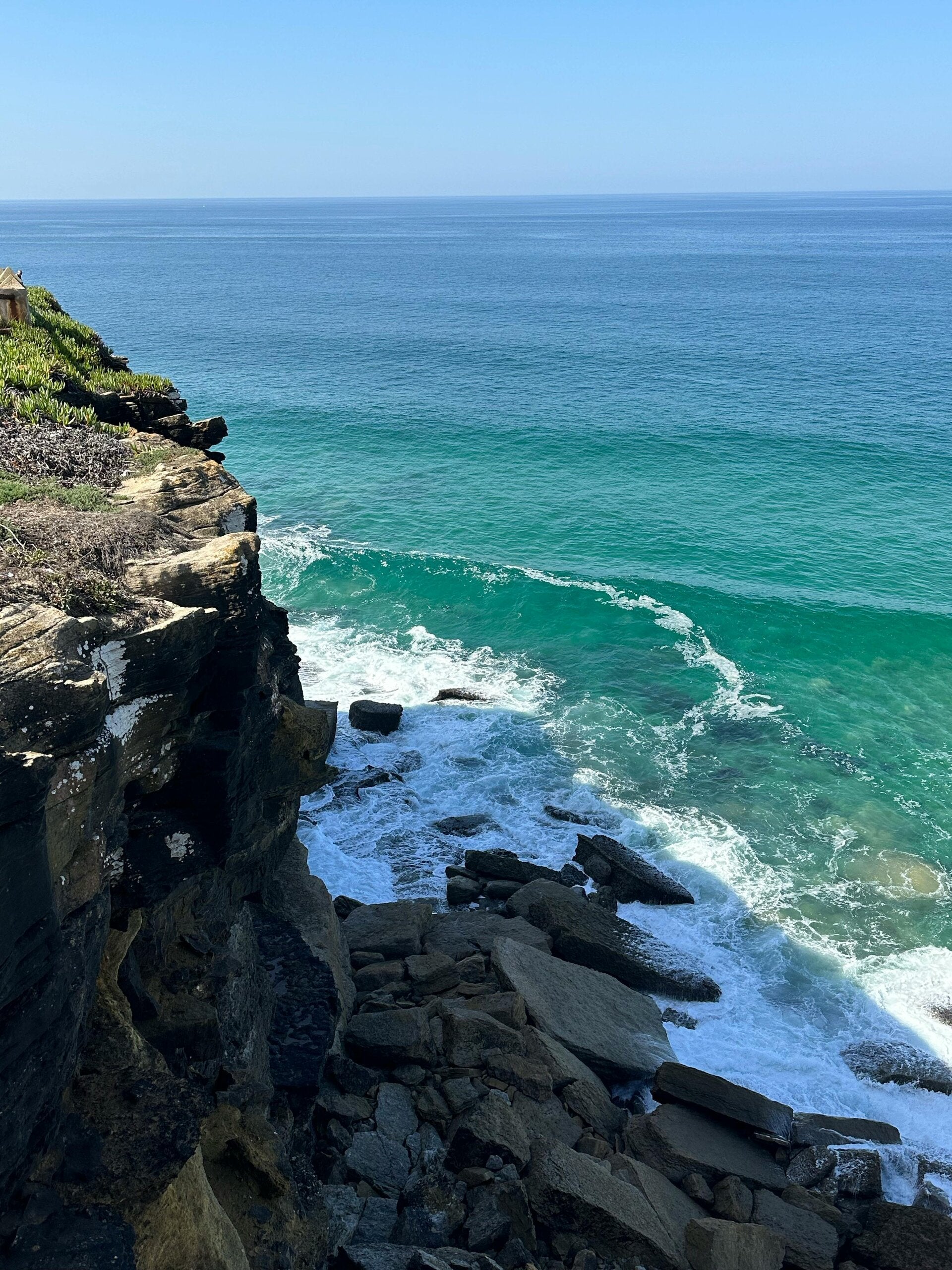
Coastal protection and foreshore stewardship
We champion active council management to safeguard cherished beaches, foreshores, and coastal ecosystems. By backing responsible dune care, erosion management, and ongoing environmental monitoring, we protect coastline assets for community leisure, ecotourism, and generations to come.

Waterways and marine habitat preservation
Healthy rivers, catchments, and estuaries form the ecological backbone of our regions. Our framework fosters coordinated water quality programs, riparian revegetation, and marine conservation that preserve biodiversity while sustaining key regional fisheries and recreational waterways.

Rural resource resilience and regional vitality
Empowering rural councils and regional producers ensures balanced care for native forests, public reserves, and productive land. We advocate for locally led initiatives that merge fire resilience, sustainable land practices, and resource productivity to build self-reliant regional communities.
Integrated municipal government model
Rather than establishing a costly standalone bureaucracy, the most effective municipal framework integrates the Local, Coastal & Rural Resource Development Department (LCRRDD) directly across existing council directorates under our Gold Standard Local Government Framework. Led directly under council and the Chief Executive Officer, this design prevents duplication while securing clear accountability and decisive regional coordination.
This unified structure establishes five streamlined operational pillars: agriculture and food development, fisheries and coast economy, forestry and land stewardship, tourism and events, and environment and resource management. By embedding these vital responsibilities into day-to-day council administration, our model ensures durable economic vitality and responsible regional development across every local community.
Council functions to consolidate for regional prosperity
A Gold Standard Local, Coastal & Rural Resource Development Department brings related council functions together without duplicating services. Four integrated divisions unite economic development, environmental stewardship, tourism and planning, supported by five operational units: Agriculture & Food Development; Fisheries & Coastal Economy; Forestry & Land Stewardship; Tourism, Wine & Agritourism; and Resource Management.
For example, Mornington Peninsula Shire could coordinate wine tourism, the coastal economy, fisheries development, agritourism, environment and climate resilience. Greater Shepparton could align agriculture, food processing, irrigation, agritourism, water security and regional prosperity. East Gippsland could connect fisheries, forestry, timber processing, tourism, environment and coastal resilience.

Economic development and regional prosperity
Currently responsible for: business attraction, regional investment, employment programs and industry support.
Integrated role: the Resource Development & Regional Prosperity Division adds agriculture development, fisheries development, forestry industries, blue economy industries and agritourism.
Agriculture & Food Development Unit: supports local farmers, food producers, agribusiness, innovation adoption and food security initiatives through the Municipal Agriculture Office, LARIO and Agricultural Innovation Programs.

Environment and natural resource management
Currently responsible for: biodiversity, climate adaptation, conservation and coastal management.
Integrated role: the Environment & Natural Resource Management Division adds resource stewardship, catchment health, coastal resilience, pollinator programs and resource monitoring.
Resource Management Unit: supports environmental monitoring, water management, coastal resilience, climate adaptation and sustainability programs, working with VACESA and Catchment Management Authorities.

Tourism, food and wine development
Currently responsible for: destination promotion, events and visitor services.
Integrated role: the Tourism, Food & Wine Development Division adds wine tourism, seafood tourism, forestry tourism, agritourism and regional food experiences.
Tourism, Wine & Agritourism Unit: supports wine regions, cellar doors, farm-gate sales, food tourism, events and festivals through the Municipal Wine & Agritourism Office and Victorian Wine Development Authority.

Strategic rural and coastal planning
Currently responsible for: land-use planning, rural zoning and strategic planning.
Integrated role: the Strategic Rural & Coastal Planning Division adds agribusiness precincts, aquaculture zones, tourism precincts and resource corridors.
Fisheries & Coastal Economy Unit: supports commercial and recreational fisheries, seafood processing, aquaculture investment and marine tourism with Fisheries Victoria and Blue Economy Victoria. Forestry & Land Stewardship Unit: supports forestry businesses, timber processing, carbon forestry, biodiversity projects and plantation development with the Forestry Victoria Authority.
Key divisional leadership roles
The Local, Coastal & Rural Resource Development Department consolidates local governance under an Executive Director and divisional leaders to drive regional prosperity, industry investment, and sustainable stewardship.

Director Agriculture & Food Development
Leads municipal agricultural strategies, agribusiness investment attraction, and food manufacturing innovation. Oversees Agricultural Development, Food Security, and Agritourism teams to drive regional farm productivity.

Director Fisheries & Coastal Economy
Drives fisheries development, sustainable aquaculture ventures, seafood processing growth, and blue economy jobs across municipal foreshores, ports, and marine recreation sectors.

Director Forestry & Land Stewardship
Coordinates timber industries, sustainable plantation growth, carbon capture initiatives, and land stewardship frameworks in close partnership with regional and biodiversity authorities.

Director Tourism & Visitor Economy
Spearheads regional destination marketing, wine tourism, visitor economy expansion, and major festivals to maximize overnight stays and drive local commercial revenue.
Business Operations Management System (BOMS)
A whole-of-council operational engine connecting community vision, council plans, budgets, projects, and risk to real-time performance dashboards and transparent public accountability.
One department, one integrated strategy
Moving from disconnected operational plans to a single integrated regional development strategy. By uniting agriculture, coastal resources, tourism, and planning under one governance umbrella, council eliminates service duplication and conflicting municipal priorities.
Live reporting and strategic grant pipelines
Data is no longer trapped in departmental silos. Live performance dashboards enable faster executive decisions, while proactive pipeline management targets state and federal grants, driving an expected 20% increase in grant acquisition success by year three.
Integrated planning and risk architecture
A unified architecture tracking council plans, capital investments, and return on investment. Dedicated modules supervise climate, financial, and biosecurity risks alongside environmental programs, sustainable fisheries, and tourism infrastructure.
Outcome accountability focused on regional prosperity
Focus shifts from measuring routine council tasks to delivering genuine community impact: regional jobs created, private investment attracted, increased visitor expenditure, resilient waterways, and measurable gains in local agricultural output.
Local, coastal and rural resource development reform package 2028
The Australians Unified Gold Standard Municipal Prosperity Framework proposes an integrated legislative and policy package for regional, rural and coastal councils. Growing communities. Managing resources. Building prosperity.

Local, coastal and rural resource development Act 2028
Draft Bill—Part 1–2. The Act may be cited as the Local, Coastal & Rural Resource Development Act 2028. Its objects are to strengthen regional prosperity; economic development; agriculture, fisheries and forestry; tourism; environmental stewardship; and council accountability.
Participating municipalities may establish a Local, Coastal & Rural Resource Development Department (LCRRDD) to coordinate industry partnerships, investment attraction and regional prosperity programs.
Explanatory note: This replaces fragmented economic development, tourism, environment, agriculture, coastal management and strategic planning functions with one accountable framework.

Business Operations Management System
Draft Bill—Part 3–4. A council must establish a Business Operations Management System (BOMS) integrating strategic and financial planning, project delivery, budget monitoring, risk management and KPI-based performance reporting.
Councils must publish an annual State of Regional Prosperity Report, Economic Development Report, Tourism & Visitor Economy Report, Agriculture & Resource Development Report and Environmental Performance Report, supported by a public dashboard measuring jobs, visitor expenditure, investment, business growth, agricultural output and environmental performance.
Explanatory note: BOMS moves reporting from activities to measurable community outcomes and supports real-time accountability.

Prosperity policy and future regions
Local, Coastal & Rural Prosperity Policy 2028. The policy establishes a single strategic framework for prosperous, resilient and sustainable communities through regional industry plans, investment attraction strategies and economic forecasting.
It provides for sustainable agriculture innovation, fisheries and forestry development, land stewardship, wine and coastal tourism, food and agritourism, events, waterway management, biodiversity programs and climate adaptation.
Future Regions Program: long-term pathways for agriculture, fisheries, forestry, tourism, the blue economy and agritourism, delivered through partnerships with state and federal agencies, industry, universities and community organisations.

Governance, risk and consultation
Draft Bill—Part 5–6. An Executive Director, Resource Development, reporting to the Chief Executive Officer, is responsible for strategy, budget performance, project delivery, partnerships and outcomes. An independent review is required every five years.
Regulatory impact statement: Transitional governance, workforce and dashboard costs are balanced against reduced duplication, stronger grant applications, coordinated investment and transparent reporting. Key risks—economic downturn, climate impacts, skills shortages, infrastructure constraints and governance failure—are managed through diversification, adaptation, workforce, infrastructure and BOMS plans.
Consultation plan: engage Traditional Owners, residents, farmers, fishers, forestry and tourism operators, businesses, community groups, universities and state and federal agencies through local forums, written submissions, targeted workshops, draft-publication feedback and a published response report. By 2038, participating councils aim for stronger investment, jobs, tourism, productivity, environmental outcomes and accountability.
Tangible benefits for Australian communities
A consolidated municipal approach ensures our coastal, regional, and primary resource assets directly deliver resilient infrastructure, local employment opportunities, and long-term economic independence across Australia.
Strengthened regional economies
By integrating agriculture, forestry, and fisheries under unified local frameworks, councils attract private investment and establish high-value jobs for regional workers.
Protected natural coastlines
Active foreshore preservation, waterway maintenance, and proactive erosion management protect vital ecotourism assets and maintain pristine public recreational access.
Direct ratepayer accountability
Transparent digital performance dashboards eliminate bureaucratic bloat, ensuring community funds flow straight into measurable regional initiatives and local prosperity.
Frequently asked questions
Find clear answers regarding the proposed Local, Coastal & Rural Resource Development Department (LCRRDD), the 2028 reform package, and municipal prosperity integration.