Local environment and water stewardship
Under the Australians Unified Prosperity Portfolio, the Local Environment & Economic Sustainability Authority strengthens local economic prosperity by protecting natural assets, improving liveability, and supporting resilient growth across Australian communities.
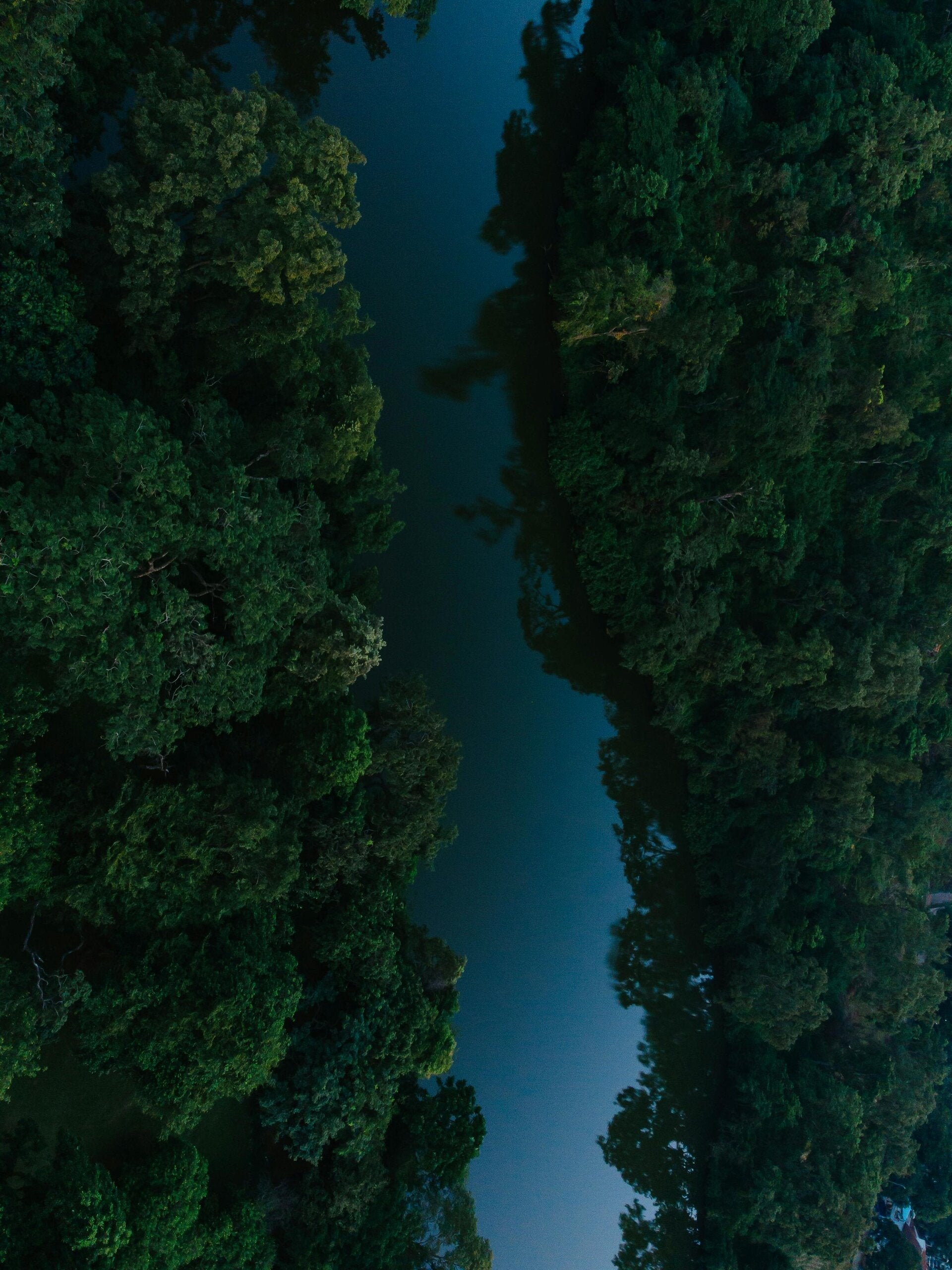
Protecting local waterways and wetlands
Local councils transform environmental investment into cleaner neighbourhoods and high-quality catchments. By managing urban stormwater, restoring creek corridors, and protecting wetlands, we secure vital water quality and build natural resilience against changing weather cycles for future generations.
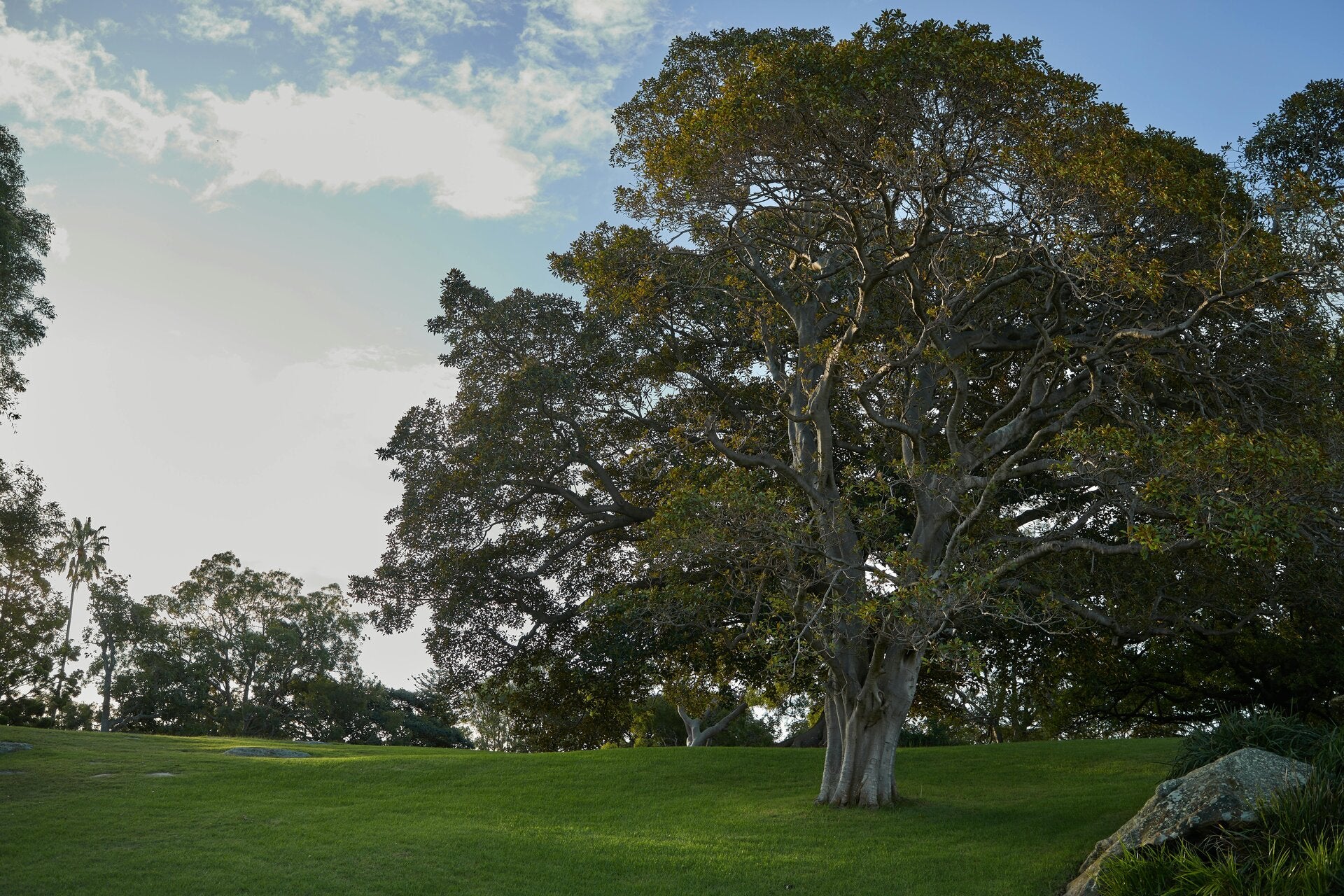
Urban greening and biodiversity
Parks, open spaces, and street trees are the ecological backbone of our cities and regional towns. Our framework delivers aggressive urban canopy expansion, supports native biodiversity, and lowers heat island effects to create healthy, attractive public spaces that elevate local liveability.

Sustainable infrastructure and community resilience
Sustainable local economies depend on efficient circular services, comprehensive recycling operations, and community-led climate initiatives. By integrating modern environmental planning into local governance, we safeguard our shared resources and reinforce economic self-reliance across Australia.
Local environment and water: the path to resilient communities
Local councils shape the parks, streets, waterways and public spaces residents use every day. This overview sets out today’s environmental responsibilities, the pressures facing communities, the likely 2037 direction without reform, and the Australians Unified plan for greener, more liveable and economically resilient local areas.

What councils do today
Current role
- Parks and open spaces
- Street trees and urban forests
- Waste and recycling services
- Local waterway management
- Community sustainability programs
- Environmental planning support
- Urban greening projects
- Climate resilience initiatives
- Local biodiversity projects
- Community environmental education
Council responsibility: Councils care for the environmental assets and public spaces residents interact with every day.
In practice: A well-maintained park, clean main street and healthy local waterway make a community more attractive for families, businesses and tourism.

What needs improving
Current challenges
- Ageing parks and facilities
- Urban heat impacts
- Rising waste-management and infrastructure-maintenance costs
- Local flooding risks
- Declining biodiversity
- Population growth pressures
- Limited environmental investment
- Poor integration of environmental and economic planning
Community impact: Reduced liveability, higher infrastructure costs, less tourism appeal, declining neighbourhood appeal and weaker investment attractiveness.
Council responsibility: Environmental decline directly affects property values, business attraction, tourism and community wellbeing. A neglected town centre or degraded park can discourage investment, visitors and community participation.

Current direction to 2037
Without reform
- Core environmental services continue
- Maintenance costs rise
- Tree canopy gradually declines
- Open spaces remain under pressure
- Environmental projects stay reactive
- Community resilience improves slowly
Prosperity score: 130 / 250
Council responsibility: Without reform, councils spend more maintaining ageing assets while receiving less long-term value from community infrastructure.
In practice: Environmental problems become more expensive to fix as councils commit more funding to maintaining ageing assets.

Australians Unified plan
Key reforms
- Green Communities Program
- Local Urban Forest Strategy
- Main Street Greening Initiative
- Waterway & Open Space Renewal Program
- Smart Waste & Circular Economy Program
- Local Biodiversity Network
- Community Sustainability Hub
- Environmental Investment Dashboard
- Resilient Communities Framework
- Nature-Based Economic Development Strategy
Aligned delivery: Federal Government sets national environmental policy, sustainability funding, resilience frameworks and infrastructure support. State Government delivers environmental regulation, regional planning, water and biodiversity programs, and state resilience initiatives. Local Government delivers parks, waste and recycling, local environmental projects, sustainability programs, urban greening and community resilience projects.
System summary: Federal Government funds and sets direction, State Government manages environmental systems, and Local Government turns those policies into cleaner, greener and more resilient communities. Revitalised town centres with shaded streets, parklands and active public spaces attract visitors, support business growth and improve quality of life.
2037 local environment and water framework
Australians Unified sets a practical funding, performance and return-on-investment pathway for Local Environment & Economic Sustainability Authorities. The goal is cleaner waterways, greener streets, stronger biodiversity, resilient public spaces and sustainable local economic development—lifting prosperity performance from 130 to 245 out of 250 by 2037.

Funding framework
Average council environment and sustainability budget
Current: $8 million
AU standard: $15 million
Additional annual investment: +$7 million
Investment to 2037: $77 million
+87% investment
This funding expands urban greening by 50%, waterway restoration by 60%, biodiversity projects by 40%, climate-resilience works by 70% and community sustainability participation by 50%.
In practice: more shade trees in residential streets, cleaner creeks and wetlands, habitat corridors, flood-mitigation and cooling infrastructure, and more residents involved in local environmental programs.
Council responsibility: Each additional dollar invested can reduce future maintenance costs while increasing community value and liveability.

KPI framework
2037 service targets
- Community liveability: 130 → 245
- Tree canopy coverage: 125 → 240
- Waterway health: 130 → 240
- Waste diversion: 140 → 245
- Community participation: 130 → 235
Expected outcomes: liveability +88%, tree canopy +92%, waterway health +85%, waste diversion +75% and participation +81%.
In practice: more enjoyable neighbourhoods, cooler summer streets, cleaner waterways and recreation spaces, less landfill, lower disposal costs, and more volunteers leading local projects.
Council responsibility: Success is measured not by spending, but by cleaner, greener and more liveable communities.

Return on investment
Annual investment: $8 million → $15 million
Annual community benefit: $14 million → $35 million
Net benefit: $6 million → $20 million
Return per $1 invested: $1.75 → $2.33
Benefit sources: $8 million in increased property appeal; $6 million from tourism and community activity; $7 million in reduced heat and flood costs; $5 million in waste and resource-recovery savings; and $9 million in community wellbeing benefits.
In practice: greener streets lift neighbourhood appeal, parks attract visitors, trees and resilience works reduce damage, and better recycling lowers landfill costs.
Council responsibility: Environmental investment creates economic value through healthier communities, lower costs and stronger local economies.
2037 gold standard
Current direction — 130 / 250: existing services continue while environmental pressures and community costs rise; liveability gains remain limited.
Australians Unified gold standard — 245 / 250: greener neighbourhoods, cleaner waterways, stronger biodiversity, better public spaces, higher participation, more resilient suburbs and towns, and greater economic attractiveness.
Improvement: +115 points and +88% performance.
Citizen outcome: a family enjoys safer parks, cooler streets, cleaner waterways and stronger local facilities, while businesses benefit from a more attractive community. A greener main street attracts investment, improves property appeal and creates a better place to live.
By 2037: councils evolve from maintaining assets to building prosperity, resilience, wellbeing and improved quality of life.
Local environment and water FAQ
Explore common questions regarding local council stewardship, water catchments, urban tree canopy initiatives, and sustainable circular infrastructure under the Australians Unified policy framework.