Victorian emergency management portfolio
A dedicated showcase of our comprehensive framework for rapid crisis response, community resilience, and integrated emergency services across Victoria. Australians Unified presents strategic operational models built to protect every household when disaster strikes.
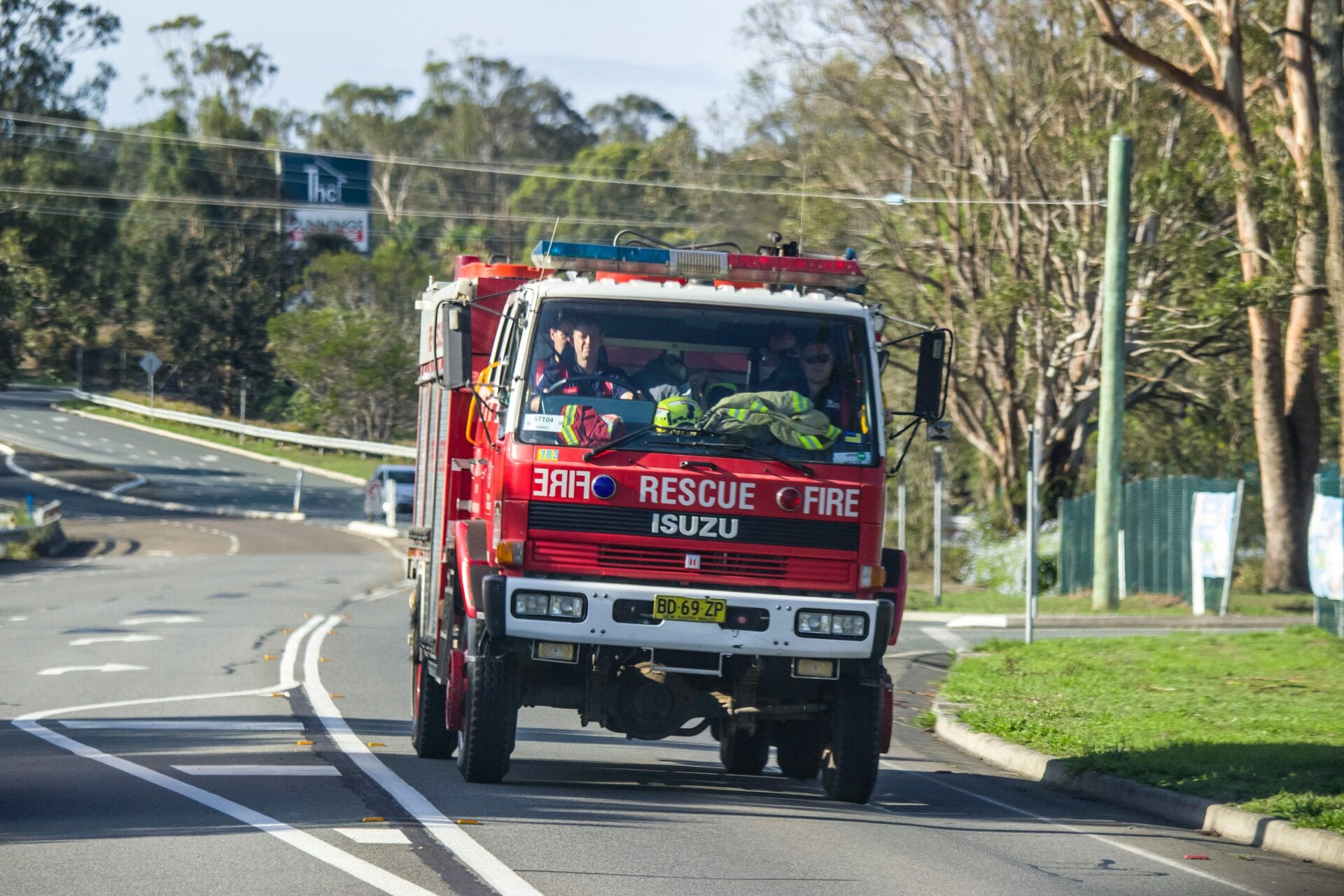
Rapid bushfire response and frontline readiness
Integrating regional brigades, modern communications, and coordinated resource deployment. Our portfolio emphasizes robust state-wide coordination, modern containment equipment, and rapid community early warning systems across vulnerable Victorian bushland.

Flood mitigation and storm resilience
Strengthening vital civil infrastructure, local drainage networks, and swift response units. We prioritize proactive catchment monitoring alongside local community volunteer units to keep Victorians safe during catastrophic seasonal weather events.

Community-led relief and recovery hubs
Empowering local councils, neighbourhood networks, and direct volunteer support. Crisis management succeeds through unity, establishing resilient supply chains, emergency food distribution, and long-term community rehabilitation facilities across the state.
Reforms, challenges, and strategic opportunities
Victoria faces evolving disaster conditions, including longer bushfire windows, acute flood risks, and critical volunteer pressures. Australians Unified delivers actionable governance reforms to reinforce frontline capabilities, inter-agency coordination, and long-term community resilience across the state.
Current state challenges
Victoria contends with extending fire seasons, vulnerable regional infrastructure, volunteer workforce fatigue across CFA and SES, and mounting recovery expenses following major seasonal disaster events.
Unified reform opportunities
We champion updated flood mapping, proactive fuel management, modernized emergency equipment, expanded local Fireguard initiatives, and clear multi-agency operational frameworks.
Community resilience and recovery
Long-term protection requires empowering local councils, expanding grassroots volunteer recruitment, and maintaining resilient emergency communications for regional households.
Strategic reforms: problems versus solutions
Why Australia needs a State Emergency & Resilience Authority (SERA). Here is how Australians Unified transforms Victoria's fragmented and reactive systems into proactive, integrated, and community-centred resilience architecture.

Command and coordination
Problem: Fragmented management
Multiple agencies, separate command structures, divided risk registers, and disconnected recovery frameworks force communities to navigate isolated silos.
Solution: SERA framework
Establish a unified State Emergency & Resilience Authority featuring one statewide resilience structure, single risk register, shared dashboard, and cohesive multi-agency operations.

Funding and investment
Problem: Reactive disaster spend
Substantial public funds are exhausted rebuilding infrastructure post-disaster, while recovery budgets repeatedly outstrip long-term preventive mitigation investments.
Solution: Prevention before recovery
Deploy predictive risk forecasting, prioritize upfront mitigation programs, strengthen resilient asset standards, and direct resources toward long-term disaster prevention.

Critical infrastructure
Problem: Siloed asset protection
Energy, water, transport, and telecommunications networks are managed independently, preventing whole-of-state risk visibility and compound impact analysis.
Solution: Integrated resilience
Connect essential networks into a shared statewide infrastructure dashboard with unified resilience standards and coordinated multi-sector risk mitigation planning.

Grassroots communities
Problem: Isolated local response
Variable council preparedness, delayed intelligence sharing, and under-utilized local knowledge leave grassroots communities under-supported during critical events.
Solution: Local resilience committees
Empower Local Resilience & Risk Committees (LRRC) with shared intelligence, dedicated state resources, grassroots risk registers, and streamlined volunteer support.
Integrated emergency management architecture
Discover the seamless alignment between Victoria's existing frontline response agencies and the overarching departmental resilience divisions under SERA governance.

Strategy & coordination
Existing state agencies:
• Emergency Management Victoria: State emergency coordination, State Control Centre, preparedness planning, recovery coordination.
• Victoria Police: Public safety, emergency coordination, evacuation coordination, incident support.
Department structure:
• Office of the Chief Resilience Commissioner: State emergency strategy, government advice, cabinet briefings, preparedness reporting, intergovernmental coordination.
• Emergency Operations Division: State Control Centre, statewide coordination, incident escalation, resource deployment, multi-agency coordination.

Rescue & flood operations
Existing state agencies:
• Victoria State Emergency Service (VICSES): Flood response, storm response, rescue operations, volunteer coordination.
Department structure:
• Emergency Preparedness Division: Emergency plans, community awareness, training & exercises, volunteer preparedness, readiness assessment.

Fire services & hazard response
Existing state agencies:
• Country Fire Authority (CFA): Bushfire preparedness, fire response, community fire planning, volunteer fire services.
• Fire Rescue Victoria (FRV): Urban fire services, emergency response, hazardous materials response.
Department structure:
• Infrastructure Resilience Division: Energy resilience, water security, transport resilience, telecommunications resilience, essential service protection.

Recovery & risk intelligence
Existing state agencies:
• Emergency Recovery Victoria: Community recovery, recovery programs, reconstruction coordination.
Department structure:
• Recovery & Reconstruction Division: Community recovery, reconstruction programs, disaster grants, infrastructure recovery, long-term recovery planning.
• Risk Intelligence & Planning Division: Disaster risk analysis, climate risk assessment, infrastructure risk modelling, state risk register, future risk forecasting.
Emergency management core sub-portfolios
Victoria's emergency management framework protects lives, critical infrastructure, and regional economies through structured coordination, proactive hazard mitigation, and resilient frontline response units.
Frontline emergency services and response
Supporting the Country Fire Authority (CFA), Victoria State Emergency Service (SES), Ambulance Victoria, and Triple Zero coordination. We champion volunteer sustainability, advanced equipment modernisation, and seamless multi-agency integration across suburban and regional communities.
Disaster coordination and search operations
Integrating state response planning, air support, and remote search and rescue missions. Coordinated inter-agency resource distribution ensures fast-acting operational control during severe compound disaster events.
Emergency communications and early alerts
Delivering critical public warnings, incident radio networks, and resilient telecommunications infrastructure. Clear, timely alerts empower Victorian households to enact evacuation plans when every second counts.
Local community resilience and recovery
Strengthening local resilience networks, grassroots volunteer initiatives, and comprehensive long-term recovery planning. We build enduring capability in towns and suburbs to withstand, adapt to, and recover from crisis events.
🇦🇺 Australians Unified Position
Australia cannot prevent every disaster, but it can reduce risk, improve preparedness and recover faster. SERA creates a single state resilience framework that connects emergency management, infrastructure protection, community preparedness and recovery into one coordinated system focused on protecting people, communities and essential services before, during and after emergencies. 🚨🛡️🏛️🇦🇺
State Emergency & Resilience Authority (SERA) model
Australia cannot prevent every natural disaster, but it can reduce risk, improve readiness, and recover faster. Australians Unified delivers a single statewide resilience architecture connecting intelligence, infrastructure, and communities into one integrated framework.
One unified state resilience architecture
SERA consolidates fragmented agencies under one resilience framework, one state risk register, one preparedness framework, one recovery framework, and one live state dashboard. By establishing a single statewide resilience strategy, Victoria moves decisively from reactive management to coordinated operational excellence.
Shared intelligence and proactive planning
Integrating common risk assessments, shared forecasting systems, and consolidated reporting builds true state early-warning capabilities. Real-time intelligence coordination eliminates operational silos, enabling faster governmental decision-making and cross-sector mitigation before emergencies escalate.
Critical infrastructure protection
Essential services require constant protection. SERA delivers continuous energy resilience monitoring, water security tracking, transport network continuity planning, and telecommunications safeguarding, dramatically reducing post-incident downtime across key supply lines.
Local community resilience and efficiency gains
Empowering Local Resilience & Risk Committees ensures grassroots preparedness programs, localized registers, and coordinated volunteer deployments. Shared data systems and technology procurement yield 5% to 15% efficiency gains—saving between $112 million and $337 million annually.
Emergency management frequently asked questions
Explore how Victoria’s emergency management portfolio coordinates bushfire management, flood mitigation, frontline emergency services, disaster response, and long-term community resilience.