Australian Maritime Safety Authority
A key portfolio entity under Infrastructure, Transport & Regional Development dedicated to safeguarding Australia's seas. Discover how national standards, 24/7 search and rescue, and marine environment protection work together to ensure safe, clean, and resilient waterways.
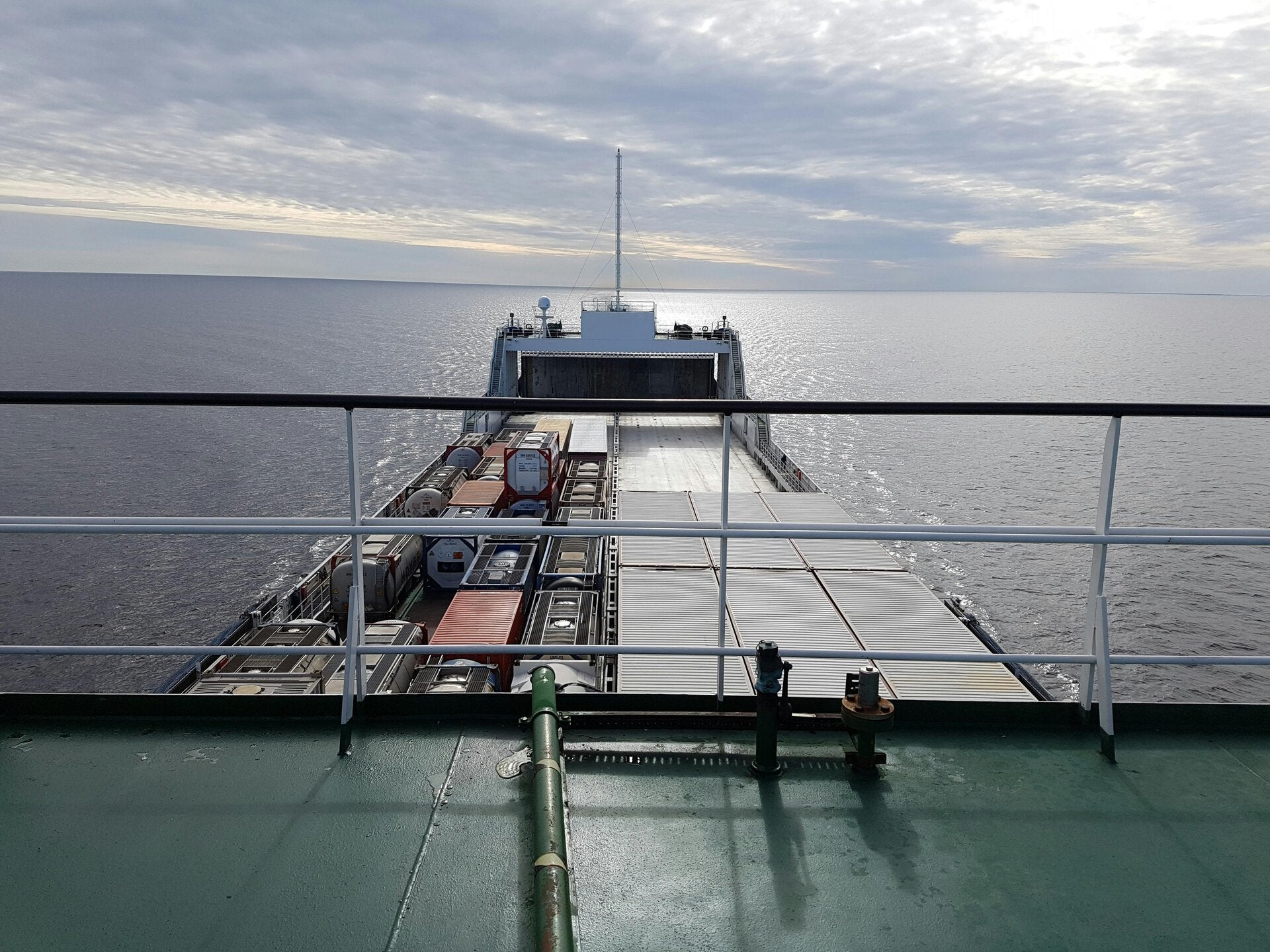
Vessel standards and safety regulation
AMSA delivers robust regulatory oversight for commercial shipping, recreational craft, and offshore maritime operations across Australia. By establishing rigorous seaworthiness standards, qualified crew certifications, and mandatory compliance protocols, AMSA protects seafarers, passengers, and domestic cargo supply chains.

Search and rescue coordination
Operating Australia’s Joint Rescue Coordination Centre around the clock, AMSA coordinates emergency response across 53 million square kilometres of ocean and aviation zones. Integrated satellite distress alerts, aircraft surveillance, and marine rescue partnerships protect lives whenever emergency strikes at sea.

Marine environmental protection and aids to navigation
Australia boasts one of the most biodiverse marine habitats on earth. AMSA manages the National Plan for Maritime Environmental Emergencies to rapidly combat marine pollution and oil spills, while sustaining hundreds of vital aids to navigation and lighthouses guiding vessels safely around our vast coastline.
Executive overview and evolutionary vision
Building upon the foundation of the Australian Maritime Safety Authority (AMSA), Australians Unified proposes transitioning to the Australian Maritime Safety & Sovereignty Authority (AMSSA) to secure our maritime domain and foster a prosperous Blue Economy.
Unified mission and core purpose
To secure Australia's maritime domain, protect life at sea, strengthen national sovereignty, and support a safe, resilient, and prosperous Blue Economy across our regional and ocean borders.
Safest maritime nation in the Indo-Pacific
Setting global benchmarks in vessel regulation, modern navigational safety, and incident prevention to guarantee that Australian waters remain the safest and most trusted shipping routes worldwide.
World-class search and rescue response
Delivering 24/7 rapid emergency coordination and satellite surveillance across millions of square kilometres to safeguard seafarers and ensure rapid crisis response across ocean corridors.
Vision 2050: Blue Economy leadership
Pioneering sustainable maritime innovation, building climate-resilient port infrastructure, and protecting fragile ecosystems while strengthening sovereign control of Australia's exclusive economic zone.
Ministerial responsibilities
The Minister for Maritime Safety, Ports & Blue Economy provides national leadership for safe navigation, rescue readiness, clean seas, maritime sovereignty and resilient shipping. Under the proposed Australian Maritime Safety & Sovereignty Authority, these responsibilities are delivered through specialised authorities with clear public accountability.

Maritime safety authority
Regulates vessel safety, conducts maritime inspections, certifies seafarers, and applies domestic and international ship-safety standards. Strategic outcome: safe maritime operations nationwide.
Emergency preparedness and incident response: Maintains readiness for maritime emergencies through coordinated contingency planning, safety drills, incident reporting, and cooperation with port authorities, rescue services, and vessel operators. This strengthens the ability to prevent, manage, and learn from accidents, protecting lives, property, and the marine environment.

Navigation services authority
Maintains lighthouses, marine aids to navigation and maritime communications while advancing smart navigation technologies for a modern national navigation network.
Enhances maritime safety through integrated vessel monitoring, real-time weather and hydrographic data, and coordinated emergency response systems that help mariners navigate with greater confidence in all conditions.

Search, rescue and marine protection
Coordinates maritime distress response, aviation–marine rescue operations and emergency preparedness, while preventing pollution, responding to ship-source spills and protecting climate-resilient coasts. Strategic outcome: world-leading rescue capability and safe, clean seas.
Key topic: Integrated maritime intelligence and coordination. By combining real-time vessel tracking, weather intelligence, coastal surveillance and strong partnerships across agencies, ports and communities, maritime authorities can identify risks earlier and coordinate faster, more effective action. This integrated approach strengthens situational awareness, supports safer navigation and helps protect people, marine ecosystems and critical coastal infrastructure.

Maritime sovereignty and blue economy
Strengthens maritime security coordination, domain awareness, critical maritime infrastructure and port resilience; supports strategic shipping assessments, shipping corridors, maritime logistics and Blue Economy infrastructure. Strategic outcome: protection of Australia’s maritime interests.
Federal government projects (direct Commonwealth delivery)
Core maritime safety, search-and-rescue, navigation, and marine-pollution programs delivered directly by AMSA and Commonwealth partner agencies under the Australians Unified and DBO upgrade framework.
| Federal project / program & operational lead | Verified funding & AU upgrade roadmap |
|---|---|
|
1. National Search and Rescue (AUSAR) & Joint Rescue Coordination Centre (JRCC) Lead: AMSA (JRCC Canberra + Challenger Rescue Jets) Focus: Coordinating 24/7 maritime and aviation search-and-rescue across 52.8 million sq km using dedicated jets and beacons. |
~$165M+ / yr Australians Unified (AU) + DBO Upgrade: Replaces foreign-leased rescue aircraft with 100% Australian-owned SAR aircraft and streams real-time alerts on Booma Bot. |
|
2. Aids to Navigation (AtoN) Network & Vessel Tracking Lead: AMSA + REEFVTS (Maritime Safety Queensland) Focus: Operating 480+ marine aids and mandatory coastal pilotage and tracking through the Great Barrier Reef and Torres Strait. |
~$85M+ / yr Australians Unified (AU) + DBO Upgrade: Integrates AI-driven satellite AIS, subsea cable protection sensors, and cyber-hardened navigation across strategic sea lanes. |
|
3. National Plan for Maritime Environmental Emergencies Lead: AMSA + State Maritime Agencies Focus: Maintaining oil and chemical spill equipment stockpiles, emergency towage vessels (Coral Knight), and clean-up readiness. |
~$45M+ / yr Australians Unified (AU) + DBO Upgrade: Stations dedicated Australian-crewed emergency tug and salvage vessels along Bass Strait, the Great Barrier Reef, and the North-West Shelf. |
|
4. Port State Control (PSC) & Seafarer Welfare Enforcement Lead: AMSA Marine Surveyors (Major Australian Ports) Focus: Inspecting foreign bulk carriers, container ships, and cruise vessels, detaining unseaworthy ships, and enforcing safety standards. |
~$60M+ / yr Australians Unified (AU) + DBO Upgrade: Automatically detains foreign-flagged vessels underpaying crews or undermining Australian coastal shipping safety standards. |
|
5. Domestic Commercial Vessel (DCV) National Safety System Lead: AMSA National System Regulator Focus: Regulating safety certificates, crew qualifications, and operating standards for Australian fishing boats, ferries, and workboats. |
~$55M+ / yr Australians Unified (AU) + DBO Upgrade: Eliminates duplicate federal-state vessel survey fees via a unified "One-Click" small-boat and fisher portal. |
Incentivised maritime programs and delivery scorecard
The Commonwealth co-invests over $240 million annually across five core maritime programs managed by agencies including DITRDCA, AMSA, Defence, and ARENA. Current program delivery reflects a 72% Australian-owned to 28% foreign-owned split, moving towards a 94%+ sovereign capability target by 2037.
| Core maritime co-investment program | Annual pool and ownership split |
|---|---|
| Strategic Fleet Pilot Program & Coastal Trading Act Reform (scaling to 30 vessels) | $40M+ (65% AU / 35% foreign delivery) |
| Maritime Emissions Reduction National Action Plan (MENRAP shore-power trials) | $50M+ (55% AU / 45% foreign delivery) |
| Australian Maritime College (AMC) Cadetships (1,500+ cadets annually) | $45M+ (90% AU / 10% foreign delivery) |
| Aids to Navigation (AtoN) maintenance & hydrographic seabed mapping | $85M+ (60% AU / 40% foreign delivery) |
| Ghost Nets & Marine Debris Grants (First Nations sea-rangers & northern ports) | $20M+ (90% AU / 10% foreign delivery) |
| Sector delivery stream (2026–27 scorecard) | Australian vs foreign share |
|---|---|
| Overall contractor & recipient co-funded pool | 72% Australian-owned / 28% foreign |
| Seafarer cadets & First Nations coastal patrols | 90% Australian-owned / 10% foreign |
| Strategic fleet operations & green port shore-power trials | 60% Australian-owned / 40% foreign |
| Sovereignty reform milestone | Delivery horizon |
|---|---|
| Mandatory domestic shore-power hookups for international container lines | Phase 1 priority |
| Guaranteed sea-time training berths across sovereign merchant vessels | Phase 2 rollout |
| Transition to 100% sovereign Australian-crewed patrol and hydrographic operations | Phase 3 target |
| AU + DBO sovereign target: 94%+ Australian strategic fleet and domestic shipyards | 2037 target |
Private maritime and port ownership breakdown: Australian vs foreign footprint
A forensic analysis across Australia's private maritime and freight operations in 2026–27 reveals significant foreign corporate control spanning strategic supply corridors. International container and bulk routes are 99% foreign-owned, while 75% of domestic coastal trade operates under foreign flags of convenience. Additionally, foreign entities control 70% of harbour towage and offshore support, 65% of container ports and stevedoring infrastructure, and 60% of commercial shipbuilding and dry docks.
To secure critical supply lines, the AU + DBO 2037 target establishes sovereign co-investment, an Australian-flagged strategic merchant fleet of 30+ vessels, state port authority protections, and domestic dry-dock capacity to safeguard our national maritime independence.
Workforce and capability resilience are equally essential to maritime sovereignty. A nationally coordinated pipeline for Australian seafarers, engineers, shipwrights, pilots and logistics specialists would rebuild the skills needed to crew, maintain and operate critical maritime assets domestically. Through targeted apprenticeships, accredited training pathways and reserve crewing arrangements, Australia can reduce dependence on overseas labour markets while ensuring essential freight, energy and defence supply chains remain operational during regional disruption or national emergencies.
SWOT analysis: Australian Maritime Safety & Sovereignty Authority
The Australians Unified Gold Standard Maritime Framework builds on Australia’s established national maritime regulator, nationally coordinated search and rescue capability, global credibility for safety and International Maritime Organization compliance, extensive navigation infrastructure, and strong international obligations. Priorities for the proposed Australian Maritime Safety & Sovereignty Authority (AMSSA) include renewing ageing maritime and coastal assets, unifying fragmented Blue Economy governance across ports, fisheries, offshore energy and marine research, managing rising coastline protection costs, and addressing shortages of maritime engineers, navigators, pilots, rescue personnel and technical specialists.

Blue Economy expansion
Australia’s fisheries, aquaculture, offshore energy, marine services and ocean industries can create sustainable jobs, investment and export opportunities when developed under coordinated, sovereign and environmentally responsible maritime governance.

Maritime technology and smart ports
Digital navigation, artificial intelligence, ocean monitoring and autonomous vessels can improve safety, productivity and environmental performance, while automated ports and integrated freight systems can lift trade capacity and export competitiveness.

Climate and pollution resilience
Rising sea levels, coastal erosion, extreme weather and changing ocean conditions threaten ports, infrastructure and coastal communities, while oil spills, hazardous cargo and marine contamination can cause serious environmental, economic and reputational harm.

Secure trade and offshore industries
Offshore wind, marine biotechnology and other ocean industries offer major future investment potential, but supply-chain disruption, freight bottlenecks, cyber and physical port-security risks, maritime disputes and geopolitical instability can threaten shipping routes, trade networks and Australia’s strategic interests.
Strategic Assessment
CategoryKey ObservationGreatest StrengthAustralia already has a respected maritime safety authority with national jurisdiction and world-class search and rescue capability.Greatest WeaknessMaritime governance and Blue Economy development remain fragmented across multiple agencies and portfolios.Greatest OpportunityThe Blue Economy, smart ports, autonomous vessels and offshore industries offer significant growth potential.Greatest ThreatClimate change, supply-chain instability and maritime security risks pose increasing challenges to Australia's maritime resilience.
Strategic Conclusion
The Australians Unified model evolves AMSA from a maritime safety regulator into a Maritime Safety & Sovereignty Authority, integrating safety, navigation, rescue, environmental protection, maritime resilience and Blue Economy leadership into a single national framework.
⚓🌊🚢🛡️🇦🇺
TOWS strategy and national maritime reforms
Australians Unified proposes an Australian Maritime Safety & Sovereignty Act 2028 to evolve AMSA into an integrated Australian Maritime Safety & Sovereignty Authority (AMSSA). Building on Australia’s national regulator, existing search and rescue capability, international credibility, navigation infrastructure and maritime obligations, the framework addresses ageing assets, fragmented Blue Economy governance, coastline costs and specialist workforce shortages while responding to climate, pollution, supply-chain, port-security and geopolitical risks. The Act establishes the Australian Maritime Safety & Sovereignty Authority, Maritime Safety Authority, Navigation Services Authority, National Search & Rescue Authority, Marine Environment Protection Authority, Maritime Sovereignty Authority, Smart Seas Australia Program, National Maritime Dashboard and Maritime Sovereignty Reporting Framework. By 2038, it aims to deliver Smart Seas Australia, a modern national navigation network, stronger search and rescue, Blue Economy growth, a Maritime Sovereignty Index, resilient ports and shipping, and Indo-Pacific leadership in maritime safety.

SO strategy: Maritime leadership program
Modernise maritime safety systems, expand maritime technology capability, develop Blue Economy innovation hubs and strengthen Indo-Pacific maritime partnerships. Delivered through Smart Seas Australia and the Blue Economy Innovation Network, this strategy uses Australia’s regulatory credibility and navigation strengths to become the maritime safety leader of the Indo-Pacific.
ST strategy: Maritime sovereignty framework
Strengthen maritime cyber security, port resilience programs, emergency preparedness and maritime domain awareness systems. The Maritime Sovereignty Program and National Port & Shipping Resilience Framework protect critical trade routes and coastal infrastructure, delivering stronger maritime sovereignty and national resilience.

WO strategy: Smart Seas Australia
Overcome infrastructure and coordination gaps with smart navigation systems, digital maritime networks, autonomous-vessel readiness and a National Maritime Operations Centre. Paired with National Maritime Search & Rescue Modernisation and the National Maritime Dashboard, Smart Seas Australia creates future-ready maritime infrastructure.

WT strategy: Maritime capability strategy
Build long-term capability through maritime workforce planning, maritime academies, infrastructure renewal programs and strategic continuity planning. The Maritime Workforce Excellence Program and Marine Environment Protection Program support skilled people, resilient assets and sustainable oceans for decades to come.
Reform agenda: maritime safety and sovereignty
The proposed Australian Maritime Safety & Sovereignty Act 2028 establishes the Australian Maritime Safety & Sovereignty Authority (AMSSA) to make Australia the safest, most resilient and most sovereign maritime nation in the Indo-Pacific. The 2028 policy advances maritime safety, sovereignty, Blue Economy development, environmental stewardship, workforce capability, and secure logistics and trade—backed by a national board, annual public reports, a National Maritime Dashboard, long-term investment plans and independent five-year reviews.

Smart Seas and search & rescue
Smart Seas Australia modernises navigation through a National Smart Navigation Network, digital maritime communications, real-time vessel monitoring, a National Maritime Operations Centre and AI-supported risk monitoring. A national search and rescue modernisation program renews fleets, upgrades SAR technology, strengthens emergency coordination centres and connects integrated rescue networks—improving safety, reducing navigation risk and enabling faster responses.

Maritime sovereignty and resilient trade
The Maritime Sovereignty Program delivers a Maritime Sovereignty Index, national security assessments, strategic shipping monitoring, critical infrastructure protection and sovereign capability planning. Port resilience audits, strategic shipping-corridor planning, intermodal freight integration, supply-chain continuity plans and smart-port infrastructure protect national interests, strengthen export capability and support reliable logistics.

Blue Economy and maritime workforce
The Blue Economy Innovation Network creates innovation hubs, develops offshore industries and marine technology, builds research partnerships and supports commercialisation—driving investment, jobs and exports. The Maritime Workforce Excellence Program establishes a National Maritime Academy, apprenticeships, marine-engineering pathways, port-logistics training and attraction programs to deliver a sustainable, highly capable maritime workforce.

Clean seas, clear accountability
The Marine Environment Protection Framework combines pollution prevention, oil-spill preparedness, coastal protection and environmental monitoring for cleaner oceans, lower environmental risk and healthier ecosystems. AMSSA brings together maritime safety regulation, navigation services, search and rescue, marine protection, sovereignty monitoring, innovation and workforce development, with annual safety, sovereignty, SAR, port resilience and Blue Economy reports. By 2038, Smart Seas, the national dashboard and Indo-Pacific maritime-safety leadership are intended to be operational.
AMSSA treasury assessment: from maritime safety to maritime sovereignty
Australians Unified proposes the Australian Maritime Safety & Sovereignty Authority (AMSSA): a 10-year and 50-year investment model that expands the current Australian Maritime Safety Authority (AMSA) safety, search and rescue, navigation, environment and regulatory role into an integrated national capability for maritime sovereignty, subsea cable protection, fuel-tanker security, strategic shipping, sovereign dry docks, shipbuilding, workforce development and Blue Economy resilience.
Safe seas. Secure sovereignty. Prosperous oceans.

Current AMSA position
For 2025–26, AMSA is modelled at $240.0M revenue, $267.5M expenses and a $27.5M operating deficit, with approximately 490 FTE. Its core functions are maritime safety ($90M), search and rescue ($60M), navigation services ($60M), marine environment protection ($40M) and regulation ($17M), with administration embedded. AMSA is primarily a safety regulator—not a dedicated shipping, logistics, industrial or sovereignty agency.

AMSSA annual investment model
The proposed $1.15B annual AMSSA model funds maritime safety ($250M), navigation ($150M), national search and rescue ($150M), marine environment ($125M) and maritime sovereignty ($150M). It adds $75M for subsea cable protection, $50M for fuel-tanker security, $75M for a strategic fleet, $75M for a sovereign dry-dock network, $50M for a maritime workforce academy and $50M for Blue Economy innovation, with administration and intelligence integrated.

10-year capability program
The 10-year program invests $11.5B: $8.25B in core operations; $750M each for subsea protection, the national strategic fleet and dry-dock sovereignty; $500M each for fuel security, workforce systems and Blue Economy innovation. Priorities include securing international data and defence cables, monitoring fuel-import routes, building Australian-crewed emergency freight capacity, and restoring large-vessel repair at Brisbane, Newcastle, Geelong and Henderson, WA.
Treasury scenarios estimate $20B–$65B in benefits, a benefit-cost ratio of 1.7:1 to 5.7:1, and 74%–465% ROI.

50-year public wealth outlook
The 50-year strategic program totals $60.0B: $41.25B for core maritime operations; $3.75B each for subsea infrastructure security, strategic fleet and dry-dock sovereignty; and $2.5B each for fuel systems, workforce capability and Blue Economy innovation. Estimated benefits range from $120B to $420B, producing a 2.0:1 to 7.0:1 benefit-cost ratio and 100%–600% ROI.
By 2038, intended outcomes include world-leading safety, a Maritime Sovereignty Index and domain-awareness network, secure cables and fuel routes, sovereign repair capacity, emergency shipping resilience, new marine industries and stronger maritime exports.
National Maritime Digital Twin and BOMS integration framework
Purpose and strategic principle: Under the Australians Unified framework, rather than creating disconnected standalone dashboards or separate reporting systems, the maritime operating environment feeds directly into the national Business Operations Management System (BOMS). The Maritime Digital Twin functions as the operational maritime domain layer within BOMS, delivering real-time national visibility over maritime safety, sovereignty, logistics, and Blue Economy assets.
Operational monitoring streams: The digital twin continuously tracks commercial shipping corridors, strategic Australian-flagged fleets, fishing vessels, and research craft. It monitors port throughput, container movements, and berth congestion alongside search-and-rescue readiness, incident response times, and emergency coverage zones across 52.8 million square kilometres of ocean.
Sovereignty, subsea and energy security: The integrated BOMS layer delivers live surveillance of critical subsea telecommunications cables, offshore wind, and energy infrastructure protection zones. It actively tracks fuel-tanker movements, import corridors, strategic reserves, and supply chain bottlenecks to maintain unbroken national fuel security and maritime domain awareness.
Governance architecture from project to cabinet: Operating under the Department of Sovereignty, Energy, Water & Logistics, reporting escalates seamlessly from local port committees and state maritime authorities (such as VMSBEA) through the Australian Maritime Safety & Sovereignty Authority (AMSSA) directly to the Prime Minister and the National Sovereignty Dashboard.
National maritime sovereignty and industrial capability reforms
Australia faces unprecedented strategic vulnerabilities: over 99% of international digital traffic depends on subsea communications cables, critical fuel imports remain bound to foreign-flagged shipping, and commercial dry-dock facilities are severely constrained. Under Reform 8 (National Maritime Sovereignty Program) and Reform 9 (Subsea Cable Protection & Maritime Infrastructure Shield), the Commonwealth introduces a rigorous Maritime Sovereignty Index, cable protection zones, dedicated incident response capabilities, and integrated domain awareness to safeguard our vital underwater communications and ocean trade routes.
National Shipbuilding, Repair & Resilience Capacity will strengthen Australia’s ability to sustain essential maritime assets during disruption or conflict. The program will expand domestic dry-dock access, support sovereign repair and maintenance capability, develop a strategic fleet of Australian-crewed and Australian-flagged vessels, and establish reserve arrangements for fuel, critical parts, and specialist maritime labour. By rebuilding industrial depth alongside surveillance and protection measures, Australia can reduce dependence on fragile overseas supply chains and ensure its ports, shipping lanes, and offshore infrastructure remain operational when they are needed most.
To eliminate foreign logistical dependencies, Reforms 10 through 13 establish a sovereign fuel-tanker framework, a national strategic merchant fleet operated by Australian crews, and expanded ship-repair precincts in Brisbane, Newcastle, Geelong, and Henderson. Guided by the expanded Maritime Sovereignty Authority, these initiatives rebuild domestic heavy engineering, modernise commercial shipyards, and ensure that our critical ports, navigation networks, and fuel supply chains maintain unshakeable national resilience during major global disruptions. Reform 14 establishes a National Maritime Skills and Cadetship Program to train the engineers, seafarers, welders, naval architects, and logistics specialists required to sustain this capability for generations. Through partnerships with TAFEs, universities, unions, regional employers, and the Australian Defence Force, the program will create clear pathways into secure, highly skilled maritime careers while strengthening coastal communities and retaining vital technical knowledge onshore. By investing in Australian workers alongside Australian vessels and infrastructure, we secure the people needed to keep our maritime supply lines operating in any circumstance.
12-month to 10-year implementation roadmap
A structured delivery pathway transitioning AMSA into the Australian Maritime Safety & Sovereignty Authority (AMSSA), guaranteeing national supply resilience, protected ocean assets, and long-term Blue Economy prosperity.
Year 1: Foundation and transparency
Establish the statutory Australian Maritime Safety & Sovereignty Authority (AMSSA), publish the baseline Maritime Sovereignty Index, and deploy the public National Maritime Dashboard for transparent domain awareness.
Years 2–5: Infrastructure and strategic fleet
Roll out the Australian-flagged Strategic Fleet, install the comprehensive subsea cable monitoring network, and execute sovereign commercial dry-dock upgrades across Brisbane, Newcastle, Geelong, and Henderson.
Years 5–10: Sovereign maritime resilience
Scale a fully sovereign merchant fleet, operationalise the national Blue Economy network, and embed an integrated maritime resilience system protecting critical fuel corridors, data lines, and coastal trade.
Core national benefits for Australia
Transforming our maritime regulatory framework delivers measurable strategic, economic, and environmental gains across all Australian waters, ports, and regional coastlines.
Sovereign supply chain security
Rebuilding an Australian-flagged strategic merchant fleet protects national trade routes, guarantees essential fuel and goods delivery, and reduces critical vulnerability to foreign logistics disruption.
Protected marine ecosystems
Enforcing rigorous environmental standards, deploying dedicated emergency salvage vessels, and eliminating marine debris preserves vital coastal habitats, aquaculture, and the Great Barrier Reef.
Local jobs and skilled cadets
Expanding maritime cadetships and apprenticeships revitalises domestic shipyards, boosts skilled engineering jobs, and trains Australian seafarers to lead the future Blue Economy.
References and official sources
Commonwealth statutory framework:
The operations and regulatory powers governing Australian waters are anchored in the Navigation Act 2012 (Cth), the Australian Maritime Safety Authority Act 1990 (Cth), and the Coastal Trading (Revitalising Australian Shipping) Act 2012 (Cth). These core Commonwealth statutes establish mandatory vessel safety standards, seafarer qualifications, AUSAR search-and-rescue coordination, and coastal shipping licence administration.
Operational and budget baselines:
Strategic targets and service standards are benchmarked against the AMSA Corporate Plan 2026–27 and the DITRDCA Portfolio Budget Statements 2026–27. These documents define the federal baseline for coordinating 24/7 emergency response across Australia's 52.8 million square kilometre search-and-rescue region, maintaining over 480 Aids to Navigation (AtoN), and implementing the Strategic Fleet Pilot Program.
Proposed legislative reform:
The expansion towards sovereign supply resilience and enhanced port authority protections is outlined under the proposed Australian Maritime Safety & Sovereignty Act 2028 (Cth) and the complementary Sovereign Port Security Act (Proposed).
Frequently asked questions
Key answers regarding AMSA operations, coastal navigation, maritime emergency response, and the proposed transition to the Australian Maritime Safety & Sovereignty Authority (AMSSA).