Aviation infrastructure, emergency response and regional aviation Victoria
Australians Unified provides an independent affiliate showcase of state-level functions, airport coordination, and emergency aviation assets across regional Victoria. Discover how network integration, emergency response frameworks, and local airstrip upgrades sustain regional connectivity and disaster resilience.
State aviation infrastructure and regional connectivity
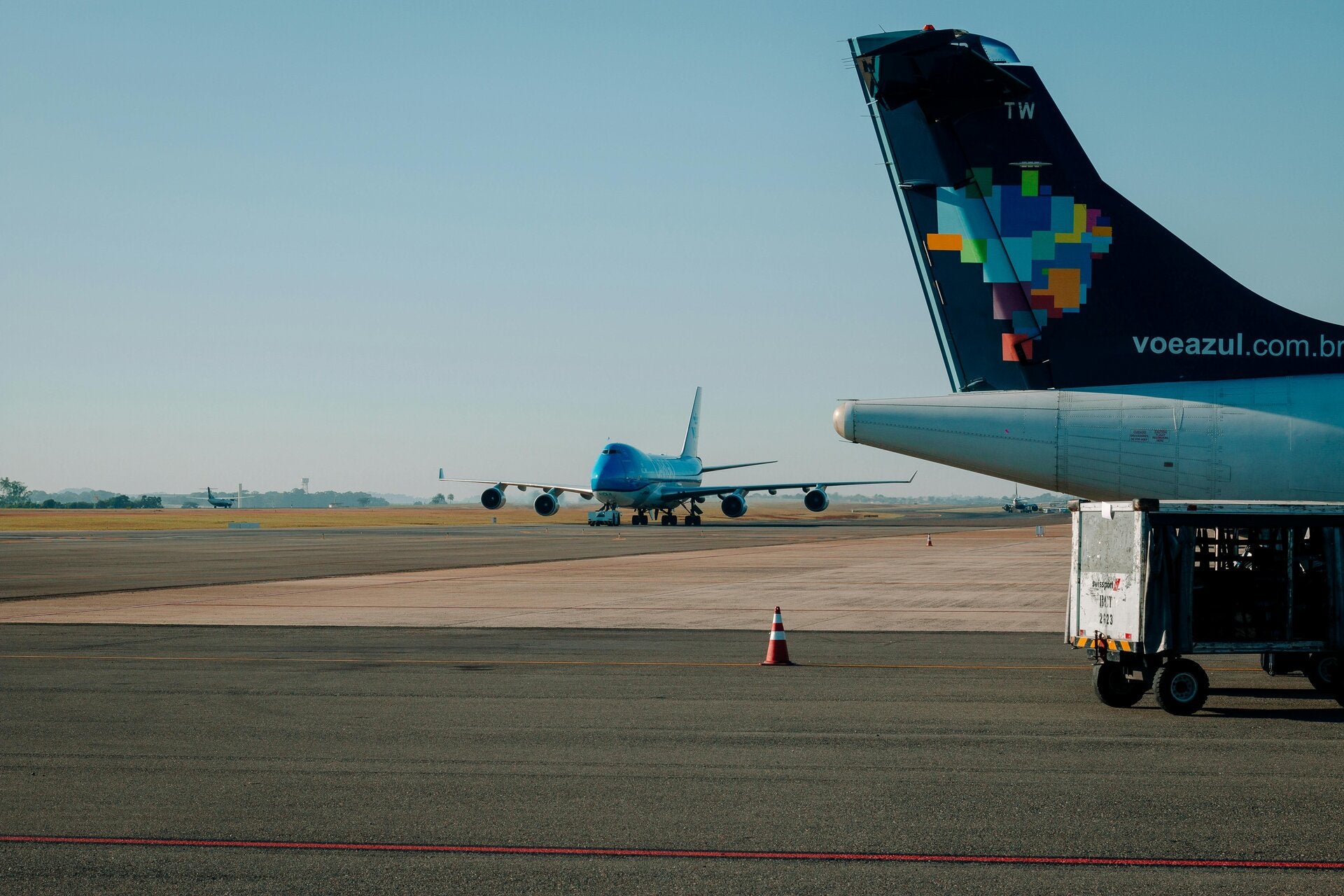
Regional aerodromes serve as critical lifelines for Victorian communities, supporting passenger movements, local commerce, and freight access. Working alongside national bodies such as Airservices Australia, state transport planning frameworks focus on safeguarding runway reliability, modernising airfield operations, and sustaining connectivity across rural networks.
Emergency aerial response and disaster preparedness
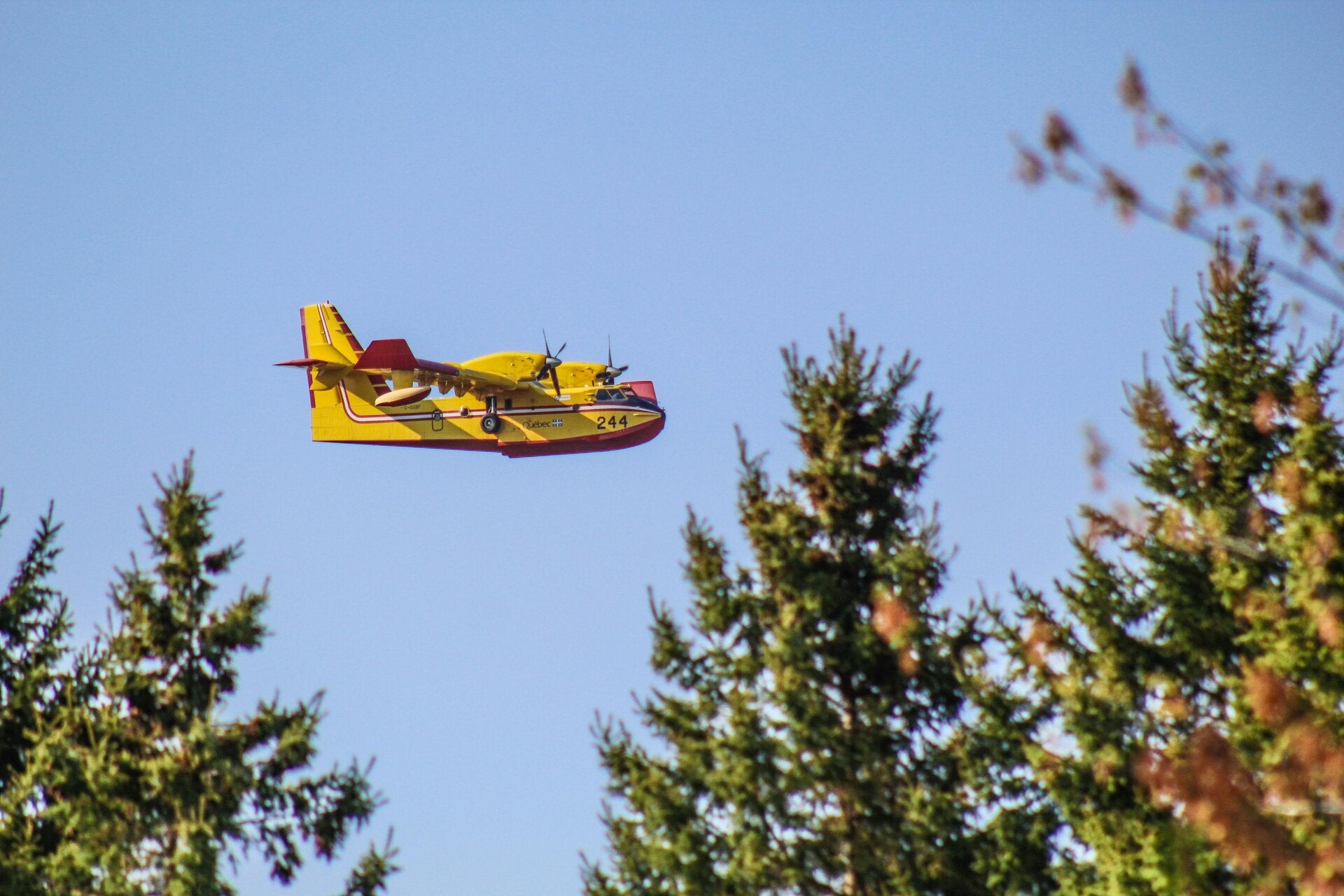
When bushfires, floods, or medical emergencies strike, Victoria relies heavily on robust aviation assets. From air medical transports to specialised water-bombing tankers, integrated regional airstrips ensure rapid emergency deployment, supply drops, and search-and-rescue readiness across every district in times of crisis.

Strategic planning and resilient regional futures
Long-term development strategies protect flight paths, upgrade tarmac infrastructure, and address ongoing runway maintenance backlogs. By championing transparent civic oversight and local infrastructure investment, Victorian regional hubs are empowered to sustain local jobs, tourism, and community safety for decades to come.
Victoria’s aviation network priorities
Explore four connected priorities for a safe, resilient Victorian aviation network: reliable airport infrastructure, coordinated emergency response, sustainable regional connections and rapid aeromedical access. Together, they support passengers, freight, tourism, economic growth, community connectivity and critical operations statewide.

State aviation infrastructure
Upgrade regional runways, airside lighting, navigation aids, fuel resilience, hangars, maintenance facilities, drone infrastructure and airport security. Infrastructure must support passenger transport, air freight, emergency services, search and rescue, disaster response, defence support and regional development.

Emergency aviation response
Coordinate air ambulance, fire-bombing and surveillance aircraft, rescue helicopters and emergency drone systems for bushfires, floods, storms, medical emergencies, searches and regional isolation. Priorities include rapid deployment, multi-agency coordination, integrated communications and real-time intelligence sharing.

Regional aviation Victoria
Strengthen sustainable links across Northern Victoria, Western Victoria, Gippsland and the North-East—including Mildura, Swan Hill, Echuca, Portland, Warrnambool, Hamilton, Latrobe Valley, Bairnsdale, Mallacoota, Wangaratta, Benalla and the Albury-Wodonga corridor. Programs include airport grants, essential air services, pilot development and aviation business attraction.

Air ambulance and aeromedical services
Provide rapid medical access regardless of where a Victorian lives. A capable aeromedical network supports rural emergency retrieval, critical-care transport, organ transfer and major-incident aviation support. Performance should be measured through response times, survival outcomes, regional coverage and aircraft readiness.
Victorian state government projects and operational delivery
Aviation infrastructure, emergency aerial response, and airspace coordination programs delivered by the Victorian Government in partnership with Airservices Australia and CASA using 2026–27 appropriations, paired with Australians Unified (AU) + State DBO upgrades.
| Program, lead entities & verified 2026–27 funding | Operational focus & Australians Unified (AU) DBO upgrade |
|---|---|
|
1. Melbourne Airport Rail Link (MARL) & Sunshine Station Super-Hub Lead: Department of Transport and Planning (DTP) + Rail Projects Victoria & Commonwealth Funding: $10B–$13B+ Joint Capital Commitment (Sunshine Super-Hub active 2026–27) |
Operational focus: Delivering a dedicated heavy-rail connection between Melbourne CBD, Sunshine, and Tullamarine Airport alongside Airservices airspace/terminal integration. AU + State DBO upgrade: ACCC Open-Access Airport Rail Lock & DBO Engineering Cap enforces open-access rail station rights on Melbourne Airport (APAM) and locks in 80%+ pre-tender engineering to prevent cost blowouts. |
|
2. Victorian aerial firefighting fleet & bushfire aviation dispatch Lead: Forest Fire Management Victoria (FFMVic / DEECA) + CFA & EMV Funding: $95M+ / yr (Seasonal & year-round fleet) |
Operational focus: Operating 50+ contracted water-bombing helicopters, Large Air Tankers (LATs), and air-attack supervision planes coordinated with Airservices ATC. AU + State DBO upgrade: Sovereign Australian Aerial Firefighting Fleet Co-Investment co-invests via National Public Bank & VFMC in Australian-owned heavy water-bombers so Victoria stops paying peak seasonal foreign lease rates. |
|
3. Ambulance Victoria Air Ambulance (HEMS) & hospital helipad network Lead: Ambulance Victoria + Department of Health & CASA Funding: $85M+ / yr (24/7 aeromedical retrieval & helipads) |
Operational focus: Operating AW139 rescue helicopters and Beechcraft King Air fixed-wing planes for emergency regional retrievals and urban trauma transfers. AU + State DBO upgrade: All-Weather SouthPAN / SBAS Regional Hospital Helipad Upgrade equips every Victorian regional hospital helipad with precision satellite navigation approaches for night and bad-weather rescues. |
|
4. Victoria Police Air Wing & state maritime search-and-rescue aviation Lead: Victoria Police + AMSA & Airservices Australia Funding: $45M+ / yr (Essendon Fields aviation base & fleet) |
Operational focus: Operating AW139 helicopters and Super King Air surveillance aircraft for rapid emergency response, Bass Strait search-and-rescue, and law enforcement. AU + State DBO upgrade: Integrated State Drone & Emergency Airspace Shield connects Victoria Police and emergency drones directly into Airservices' National UTM Platform with strict privacy guardrails. |
|
5. Melbourne & Avalon Airport curfew, flight-path noise & land-use safeguarding Lead: DTP (Planning & Aviation) + Airservices Australia Funding: Core DTP Regulatory & Planning Appropriations |
Operational focus: Enforcing airport environs overlays, flight-path noise monitoring around Tullamarine/Essendon/Moorabbin, and Melbourne Airport Third Runway community conditions. AU + State DBO upgrade: Live Community Flight-Path & Noise Compliance Dashboard on Booma Bot publishes real-time flight-path adherence, noise-monitoring data, and third-runway conditions by suburb. |
Victorian gold standard aviation framework
Victoria is committed to operating a connected, protected, and prosperous network supported by Australia's safest regional and emergency aviation infrastructure. Explore key strategic pillars designed to ensure rapid disaster response, vital community connectivity, and resilient regional growth.
Every Victorian within reach
Guaranteeing equitable access to life-saving aviation services across all Victorian communities. Our target is 100% regional airport operational capability for emergency activation, ensuring air ambulance access and reliable transport even in the most remote areas.
State infrastructure excellence
Maintaining Australia's most resilient aviation network across tier 1 strategic airports like Melbourne and Avalon, alongside key tier 2 regional hubs such as Mildura, Latrobe Valley, and Bendigo, backed by all-weather, night-capable runway systems.
World-leading emergency response
Mobilising water bombers, fire intelligence, rescue helicopters, and drone surveillance for bushfires, floods, and medical retrieval. Rapid operational readiness standards guarantee life-saving deployment across the state during critical emergencies.
Future technologies and security
Victoria serves as a national test-bed for sustainable aviation fuels, electric aircraft, and remote tower technology. Robust threat frameworks protect our supply chains, strategic fuel reserves, and air infrastructure against cyber attacks and natural disruptions.
Victorian government-incentivised aviation & aerospace programs (2026–27)
Key Victorian state co-investments, precinct developments, and advanced manufacturing initiatives delivering verified 2026–27 funding streams, paired with Australians Unified (AU) sovereign and state DBO upgrades.
| Regional connectivity & freight precincts | Funding & delivery split |
|---|---|
|
1. Victorian regional airport & aerodrome upgrade co-investment Mechanism: Matched capital grants + council/operator match Lead Victorian entity: Regional Development Victoria (RDV) & DTP Ground outcomes: Reseals runways and upgrades terminals at Mildura, Bendigo, Warrnambool, and Latrobe Valley. AU upgrade: Ring-fences annual runway renewal funding and bans foreign buyouts of regional airports. |
$35M+ joint pool 🇦🇺 ~85% AUS 🌐 ~15% Foreign |
|
2. Avalon Airport freight, defence & aerospace precinct incentives Mechanism: State facilitation + private precinct CapEx Lead Victorian entity: DJSIR + Linfox (Avalon Operator) Ground outcomes: Expands 24/7 international air-freight cold chains and aerospace testing facilities. AU upgrade: Guarantees 50%+ Australian SME manufacturing and cold-chain export priority for Victorian growers. |
$50M+ precinct program 🇦🇺 ~75% AUS 🌐 ~25% Foreign |
| Aerospace innovation & clean fuels R&D | Funding & delivery split |
|---|---|
|
3. Fishermans Bend & Geelong aerospace / carbon-composites R&D Mechanism: Co-funded university-industry R&D grants Lead Victorian entity: DJSIR + RMIT, Deakin Carbon Nexus & CSIRO Ground outcomes: Advances carbon-fibre aerostructures, autonomous drones, and lightweight aircraft components. AU upgrade: Enforces Australian sovereign IP retention so taxpayer-funded R&D stays onshore. |
$45M+ innovation pool 🇦🇺 ~65% AUS 🌐 ~35% Foreign |
|
4. Geelong sustainable aviation fuel (SAF) & bio-refinery initiative Mechanism: ARENA + State + refinery co-investment Lead Victorian entity: DEECA + ARENA & Viva Energy (Geelong) Ground outcomes: Develops low-carbon bio-jet fuel from Victorian canola and tallow feedstocks. AU upgrade: Co-invests via National Public Bank & VFMC so Victorian farmers hold equity in domestic SAF production. |
$40M+ combined SAF stream 🇦🇺 ~70% AUS 🌐 ~30% Foreign |
| Aviation workforce & technical training | Funding & delivery split |
|---|---|
|
5. Free TAFE aviation, avionics & aerospace engineering pathways Mechanism: 100% State-subsidised tuition + employer incentives Lead Victorian entity: DJSIR + Victorian TAFEs & RMIT Ground outcomes: Trains aircraft maintenance engineers (AMEs), avionics technicians, and drone pilots. AU upgrade: Scales into the Victorian Aviation & Aerospace Academy tied directly to local engineering jobs. |
$20M+ skills allocation 🇦🇺 ~90% AUS 🌐 ~10% Foreign |
Victorian private sector aviation, airports & aerospace ownership breakdown (2026–27)
A comprehensive audit of private sector airport assets, airline market shares, aerospace manufacturing, ground refuelling chains, and emergency response training across Victoria, paired with Australians Unified (AU) and state DBO reforms.
| Sector & Victorian focus | Operators & ownership split |
|---|---|
|
1. Victorian commercial & general aviation airports Melbourne Airport, Avalon, Essendon Fields & Moorabbin Airport |
Operators: APAM (Melbourne — IFM, AustralianSuper, HESTA), Linfox (Avalon & Essendon Fields), Goodman Group (Moorabbin) Ownership split & risk: 🇦🇺 ~68% / 🌐 ~32% ($22B+ asset base). Monopoly airport parking and terminal fees squeeze travellers while rail links face delays. |
|
AU + State DBO reform solution Airports infrastructure mandate |
ACCC Airport monopoly price regulation & public rail-link lock: Caps airport parking and landing fees while enforcing open-access Melbourne Airport Rail station rights. |
|
2. Domestic & regional airlines operating in Victoria Tullamarine & regional air corridors |
Operators: Qantas Group (Qantas & Jetstar — ASX), Rex (Mildura, Mount Gambier routes), Virgin Australia (Bain Capital — US & Qatar Airways 25%) Ownership split & risk: 🇦🇺 ~60% / 🌐 ~40% ($8B+ Victorian market). High regional airfares and fragile rural connectivity. |
|
AU + State DBO reform solution Airlines essential services |
Victorian regional air-route essential service guarantee: Protects Melbourne Airport peak slots for regional flights and underwrites vital rural routes across the state. |
| Aerospace manufacturing & fuel supply chains | Operators & ownership split |
|---|---|
|
3. Victorian aerospace manufacturing & defence primes Fishermans Bend, Moorabbin & Geelong manufacturing hubs |
Operators: Marand Precision Engineering, Quickstep, Sypaq, Boeing Aerostructures, BAE Systems & Lockheed Martin Ownership split & risk: 🇦🇺 ~25% / 🌐 ~75% ($3.5B+ Victorian sector). Foreign primes capture major contracts while local SMEs remain tier-2 subcontractors. |
|
AU + State DBO reform solution Aerospace industrial base |
Victorian aerospace sovereign supply-chain mandate: Requires 50%+ Victorian SME content on all state-backed aerospace and defence precincts. |
|
4. Aviation fuel, ground handling & catering Geelong refinery & Melbourne Airport tarmac operations |
Operators: Viva Energy (ASX — Geelong refinery supplying 50%+ of VIC Jet A-1), Swissport, dnata, Menzies, BP, Shell & Exxon Ownership split & risk: 🇦🇺 ~30% / 🌐 ~70% ($3.2B+ fuel & ground ops). Heavy reliance on foreign ground handlers and imported jet fuel. |
|
AU + State DBO reform solution Fuel security & local refining |
Geelong sovereign jet-fuel & SAF refining lock: Protects Geelong's refining capacity and establishes domestic fuel-reserve mandates. |
| Emergency response, training & aerial fleets | Operators & ownership split |
|---|---|
|
5. Flight training academies, MROs & aerial firefighting fleets Point Cook, Bendigo & Victorian emergency air bases |
Operators: RMIT Flight Training, Royal Victorian Aero Club, McDermott Aviation, CAE Melbourne Flight Training & foreign-leased seasonal water-bombers Ownership split & risk: 🇦🇺 ~45% / 🌐 ~55% ($850M+ training & fire fleet). High seasonal lease rates paid offshore to foreign operators. |
|
AU + State DBO reform solution Emergency aerial response |
Sovereign Victorian aerial firefighting fleet co-investment: Builds a permanent Australian-owned heavy water-bomber fleet via National Public Bank & VFMC co-investment. |
Aviation Infrastructure Fund funding streams
Victoria delivers dedicated funding pathways to modernize airport facilities, expand regional connectivity, equip emergency aerial fleets, and drive aerospace innovation across the state.
Airport Development Fund
Targeted capital investment dedicated to essential airside upgrades, including runways, precision lighting, passenger terminals, and modern navigation systems across regional Victoria.
Regional Aviation Fund
Strategic support for sustainable regional route development, ensuring isolated towns and regional centres maintain reliable community access, passenger transit, and air logistics.
Emergency Aviation Fund
Direct capability funding for aerial disaster and emergency response, supporting air ambulances, firefighting tankers, evacuation operations, and multi-agency airfield readiness.
Innovation Fund
Driving next-generation aviation technology projects, including uncrewed aerial systems, remote tower integration, sustainable aviation fuel testing, and advanced pilot training.
State aviation strategic assessment and SWOT matrix
A rigorous evaluation of Victoria's strategic position across aviation infrastructure, emergency response capabilities, regional connectivity, and emerging aerospace technologies to establish a national gold standard.
Strengths: Strategic assets and proven response
Victoria holds an exceptional geographic gateway to Tasmania, South Australia, and southern NSW, supported by primary hubs including Melbourne, Avalon, and Essendon Fields alongside vital regional aerodromes. Backed by established capabilities such as Air Ambulance Victoria, Victoria Police Air Wing, and CFA operations, our established network creates high-value regional employment and drives advanced aerospace engineering and flight research.
Weaknesses: Governance fragmentation and funding gaps
Aviation responsibilities remain dispersed across disparate state bodies without a unified long-term strategy. Many regional airfields face severe infrastructure backlogs and depend on local council funding. Compounding this are widespread pilot and aircraft engineer shortages, alongside capability inequalities where certain regional strips lack night navigation aids or heavy aircraft load capacity.
Opportunities: Innovation hubs and aerial leadership
Rising regional population growth demands expanded aeromedical coverage and regional transit routes. Victoria is ideally positioned to become Australia's centre of excellence for bushfire aviation, autonomous drone systems, and electric or hydrogen aircraft. Developing a Victorian Aviation Academy and expanding dedicated time-critical freight will elevate sovereign defence and economic resilience.
Threats: Climate pressures and critical supply chains
Intensifying bushfires and severe weather place heavy strain on regional strips, while international competition drains critical technical personnel. External vulnerabilities including aviation fuel disruption, Commonwealth regulatory dependence, cyber threats against flight networks, and concurrent natural disaster events reinforce the imperative for a dedicated state aviation authority.
Victorian aviation TOWS strategy matrix
Strategic actions for a resilient, connected and emergency-ready Victorian aviation system. This matrix turns established airport assets, emergency-response experience, regional networks, workforce capability and aerospace innovation into practical reforms that protect communities, modernise infrastructure and create regional economic opportunity.

SO strategies: build from strength
Use Victorian aviation assets to capture growth opportunities. Establish a Victorian Aviation Authority to coordinate infrastructure, regional aviation, emergencies and innovation; create an Emergency Aviation Centre of Excellence for bushfire aviation, search and rescue, and disaster operations; deliver a Regional Aviation Growth Program for passenger, freight and tourism routes; and link Melbourne, Avalon, Moorabbin and Latrobe Valley through an Aerospace Innovation Corridor.

ST strategies: strengthen resilience
Use proven emergency capability to reduce emerging risks. Deliver a State Aviation Resilience Plan for bushfires, floods and storms; maintain an Emergency Aviation Reserve Fleet for catastrophic fire seasons and natural disasters; establish regional fuel hubs and emergency fuel reserves; and create a State Aviation Cyber Security Centre to protect airports, emergency aviation systems and communications infrastructure.

WO strategies: modernise and grow
Use future opportunities to address system gaps. Launch a Regional Airport Modernisation Program for runways, lighting and emergency facilities; establish the Victorian Aviation Academy for pilots, air traffic specialists, engineers, drone operators and emergency personnel; deploy medical-logistics, fire-detection and search-and-rescue drones; and develop an integrated State Aviation Strategy 2050.

WT strategies: protect critical capability
Reduce fragmentation and prepare for disruption. Create a Unified Aviation Command with one coordination centre and state operations hub; ensure strategic regional airports remain operational through bushfire, flood and extreme heat; retain pilots and engineers through regional incentives, graduate programs and industry partnerships; and establish an Infrastructure Sustainability Fund for upgrades, emergency assets and future aviation technology.
10-year investment plan (2030–2040)
The Australians Unified implementation framework allocates targeted funding across critical aviation sectors to secure Victoria's regional connectivity, emergency readiness, aeromedical reach, and future technological sovereignty.
| Program area | Annual budget ($M) / 10-year budget ($B) |
|---|---|
| Regional airports | $350M / $3.5B |
| Emergency aviation | $250M / $2.5B |
| Aeromedical services | $180M / $1.8B |
| Aviation workforce & training | $80M / $0.8B |
| Aviation innovation and technology | $120M / $1.2B |
| Aviation security & resilience | $100M / $1.0B |
| Strategic aviation infrastructure projects | $420M / $4.2B |
| Department operations | $50M / $0.5B |
| Total 10-year investment | $1.55B annually / $15.5B total |
Reform package 2028: Australia’s gold standard aviation framework
The Australians Unified National aviation & airspace policy 2028 proposes the safest, most advanced and sovereign aviation system in the Southern Hemisphere. Its objectives are aviation safety excellence, innovation, sovereign capability, regional and remote connectivity, national prosperity through trade and tourism, and workforce excellence. The proposed Airservices Australia Act 2028 would establish a modern Department of Airservices Australia to deliver safe skies, smart systems and strong national capability.

Digital skies and airspace sovereignty
Reform 1: Digital Skies Australia completes OneSKY, expands satellite navigation, deploys AI-assisted traffic management, real-time national airspace monitoring and a National Aviation Operations Centre—reducing delays, lifting capacity and improving safety. Reform 2: National Airspace Sovereignty Program safeguards Australian control through sovereign technology procurement, airspace security planning, critical-infrastructure protection and strategic capability assessments, reducing strategic risk.

Future mobility and innovation
Reform 3: Advanced Air Mobility Strategy enables safe drone, electric aircraft and urban air mobility integration through a national drone-management platform, future aviation regulations, urban air mobility corridors and drone innovation precincts. Reform 5: Aviation Innovation & Commercialisation Fund provides start-up grants, innovation hubs, aerospace partnerships and commercialisation funding to grow technology sectors, industry capability and new exports.
Skills, regions and Indo-Pacific leadership
Reform 4: National Aviation Workforce Plan establishes Aviation Academy Australia, controller training pathways, aerospace engineering programs and aviation apprenticeships to relieve workforce shortages and build sovereign capability. Reform 7: Asia-Pacific Aviation Leadership Initiative expands international partnerships, training exports, technology cooperation and regional airspace leadership—supporting regional connectivity, aviation influence and export opportunities across the Indo-Pacific.

Resilience, governance and accountability
Reform 6: Aviation Emergency Resilience Framework delivers disaster exercises, national continuity plans, emergency operations centres and recovery capability to reduce disruption risks. Under the proposed Act, the Department would manage air traffic, navigation, communications, rescue and firefighting, planning, technology and resilience through national airspace, rescue and fire, technology, advanced mobility and workforce authorities. An independent board would oversee strategy, risk, budgets and performance; annual safety, airspace, workforce and innovation reports plus a National Aviation Dashboard would track readiness, efficiency, capacity and outcomes. Funding may combine appropriations, charges, fees, innovation funds and partnerships, with 20-year investment plans and five-year independent reviews.
Core benefits for Australians
Upgrading Victoria's aviation and emergency infrastructure delivers tangible benefits for all Australians. From life-saving emergency care to regional economic growth and national air sovereignty, discover the essential public value delivered by our integrated aviation frameworks.
Rapid emergency protection
Sovereign aerial firefighting fleets, all-weather helipads, and coordinated air ambulances ensure life-saving medical retrieval and bushfire response reach regional communities within minutes.
Regional access and fair pricing
Direct route safeguards and regulated airport charges prevent unfair monopolistic pricing, keeping regional air travel accessible and keeping isolated rural centres interconnected.
Sovereign jobs and supply chains
Local runway maintenance, Australian-owned manufacturing, and subsidised aerospace apprenticeships guarantee critical national skills, freight access, and long-term economic resilience.
Frequently asked questions
Explore answers to common questions regarding Victoria's aviation infrastructure, aeromedical retrievals, bushfire air responses, and regional connectivity reforms.