Victorian environment portfolio
Protecting Victoria's natural assets and building long-term ecological resilience. Our portfolio focuses on preserving native biodiversity, managing vital natural resources, supporting sustainable land stewardship, and safeguarding water security to ensure future generations inherit a thriving environment.
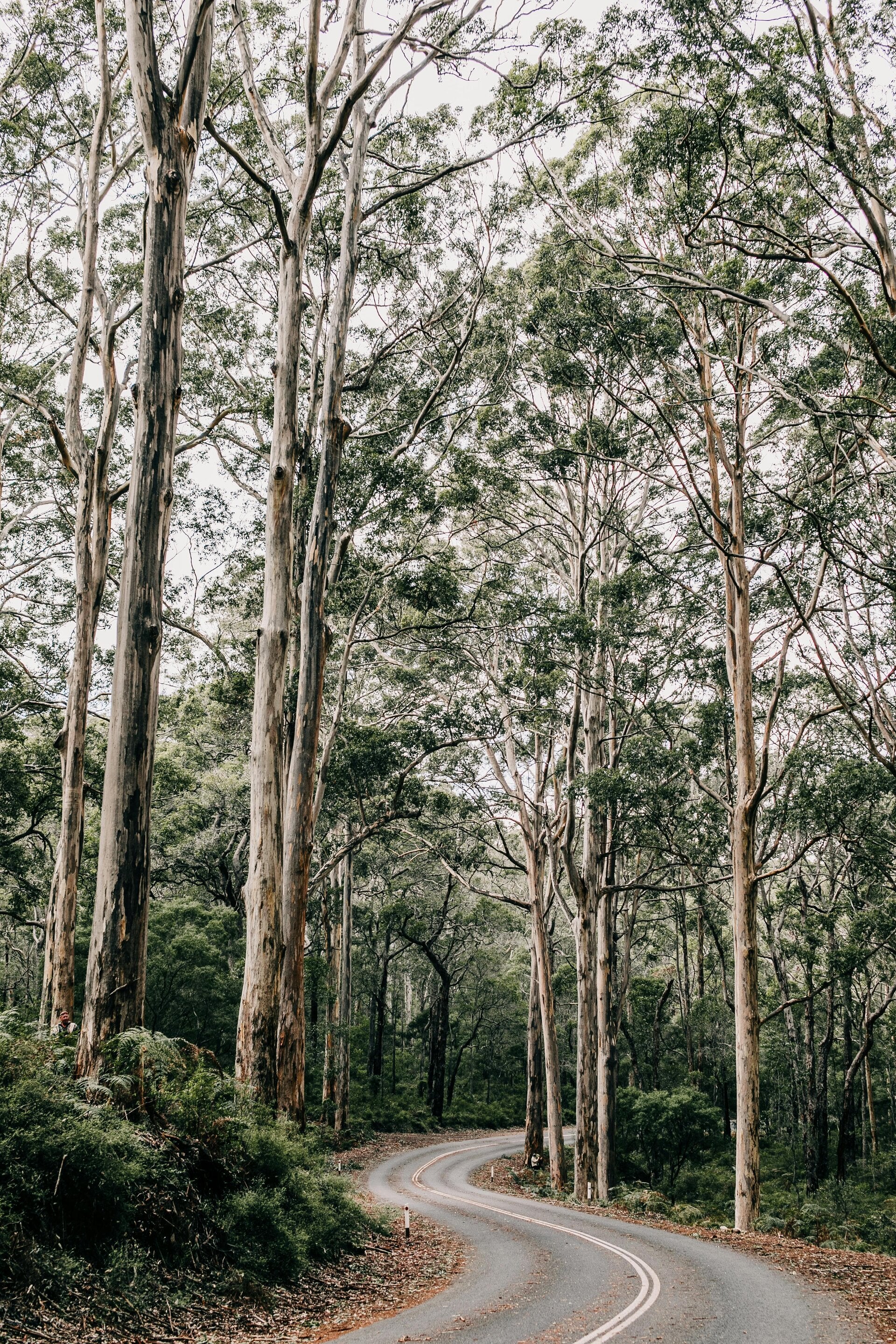
Protecting native species and ecosystems
Victoria's rich biodiversity sustains vital ecological balance, agricultural pollination, and indigenous wildlife habitats. We prioritise proactive conservation for vulnerable flora and fauna, safeguarding Victoria's unique natural heritage and building habitat corridors that fortify native wildlife against environmental pressures.
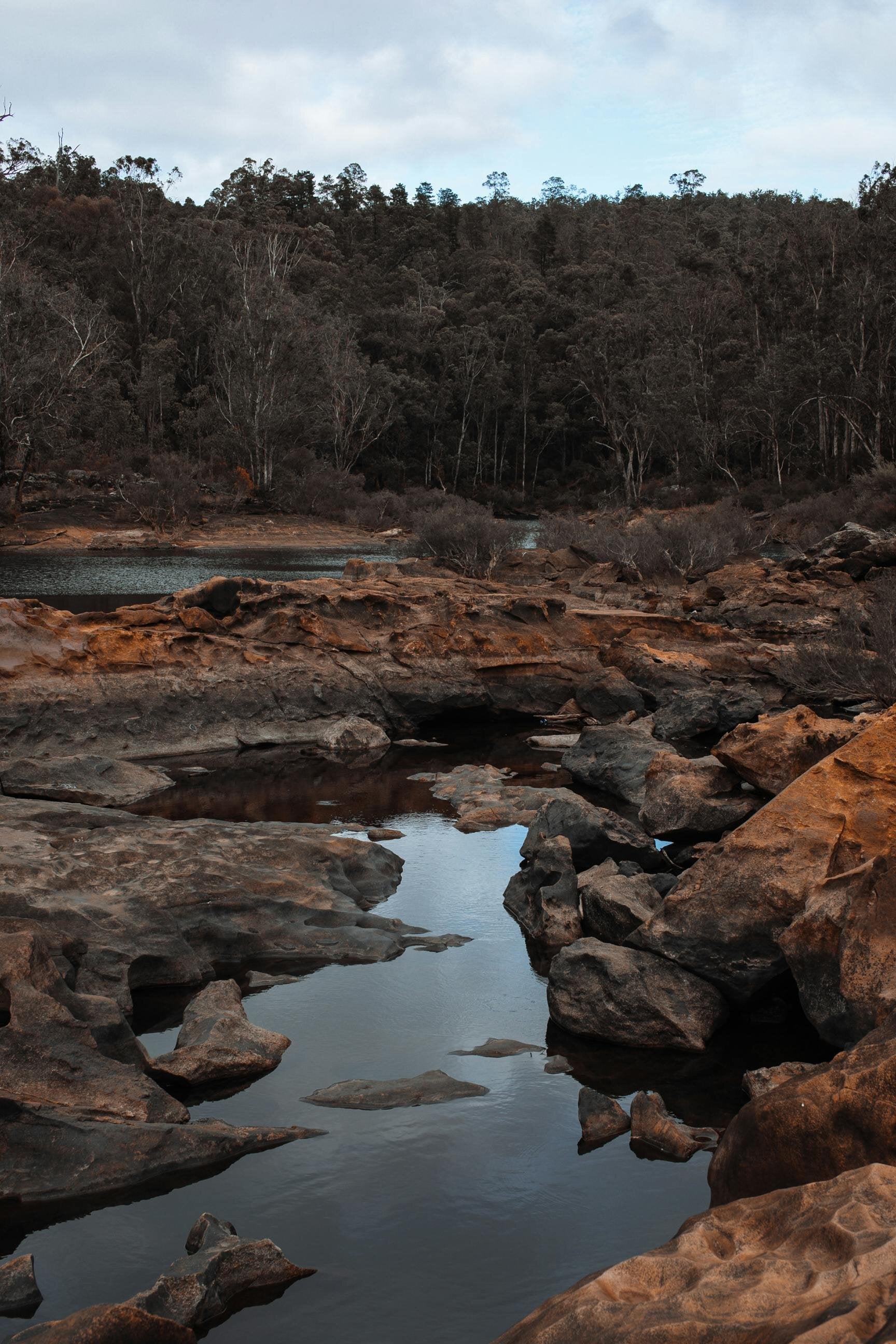
Water security and catchment stewardship
Reliable water systems are essential for healthy communities, sustainable farming, and thriving regional ecosystems. Our framework reinforces river health, safeguards inland catchments, and introduces modern conservation strategies to secure clean water across the state.
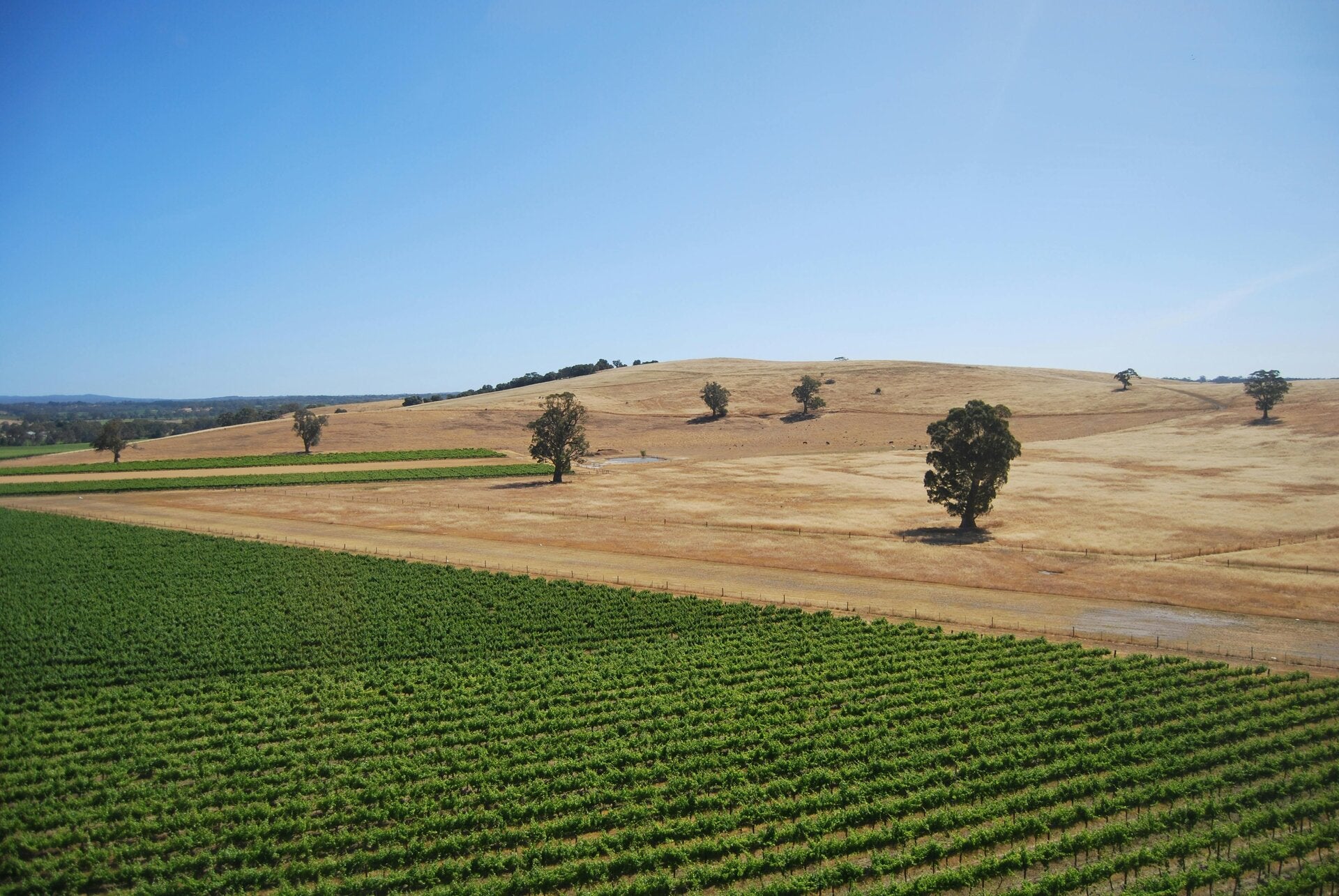
Sustainable land stewardship and resilience
Balancing active land use with robust environmental protection ensures long-term viability for regional Victoria. By supporting responsible land management and restorative ecological practices, we help communities maintain resilient habitats alongside thriving regional economies.

State Fisheries Victoria & Forestry Victoria
A gold-standard State Economic Development, Natural Resources & Food Security Portfolio. Australians Unified’s framework provides strategic leadership for Victoria’s fisheries, aquaculture and forestry industries—key contributors to regional employment, food production, timber supply, environmental stewardship and export earnings. Our mission is to grow these industries through sustainable resource management, regional investment, innovation and environmental stewardship. By 2050, Victoria can be Australia’s most productive aquaculture state and leader in sustainable fisheries; an advanced timber manufacturing, plantation forestry and engineered timber hub; a leader in blue economy innovation; and a global exporter of premium seafood and forest products.
Portfolio architecture: Victorian Fisheries & Forestry Commission
Led by the Minister for Fisheries & Forestry Victoria, the Victorian Fisheries & Forestry Commission brings together Fisheries Victoria, Aquaculture Victoria, Forestry Victoria Authority, Marine Resources Victoria and Regional Prosperity Victoria. This coordinated structure supports sustainable food and timber production, marine and forest stewardship, and strong coastal and forestry communities.

Fisheries Victoria
Purpose: Manage and develop Victoria’s commercial, recreational and Indigenous fisheries. Responsibilities include fisheries management, fish-stock sustainability, recreational fishing programs, compliance and enforcement, and fisheries productivity. Outcome: healthy fish stocks and sustainable seafood production.

Aquaculture Victoria
Purpose: Drive the expansion of Victoria’s aquaculture sector through investment attraction, industry development, licensing reform, offshore aquaculture projects and research partnerships. Outcome: Victoria becomes Australia’s leading aquaculture state.

Forestry Victoria Authority
Purpose: Support sustainable forestry, timber production and advanced wood manufacturing. Responsibilities include plantation development, forestry innovation, timber processing, engineered timber industries and forestry workforce capability. Outcome: a modern, globally competitive forestry sector.

Marine resources & regional prosperity
Marine Resources Victoria: marine science, biodiversity monitoring, ecosystem reporting, fisheries sustainability monitoring, coastal resilience and environmental assessments for healthy marine ecosystems and productive industries. Regional Prosperity Victoria: industry investment, workforce development, infrastructure planning and community resilience for prosperous coastal and forestry regions.
Victorian state government projects (direct state delivery)
Key programs delivered directly by the Victorian Fisheries Authority (VFA), Department of Energy, Environment and Climate Action (DEECA), and Forest Fire Management Victoria (FFMVic) under 2026–27 State Budget appropriations, matched with Australians Unified (AU) DBO strategic upgrades.
| Program details: Fish stocking & netting transition | Allocation & operational focus |
|---|---|
| 1. Victorian fish stocking, hatcheries & marine compliance (VFA) | ~$65M+ / yr (Core VFA operations & licence-fee reinvestment) |
| Current operational focus | Stocking 10M+ native and sport fish annually across regional lakes and rivers (Snobs Creek & Arcadia hatcheries), plus enforcing recreational and commercial catch limits. |
| Australians Unified + State DBO upgrade | Live Victorian Catch & Marine Health Dashboard: Streams real-time commercial quota landings, hatchery stocking targets, and bay water-quality scores onto Booma Bot. |
| 2. Port Phillip Bay & Gippsland Lakes commercial netting transition (VFA & DEECA) | $35M+ Multi-Year Transition & Buyout |
| Current operational focus | Phasing out commercial netting in Port Phillip Bay and Gippsland Lakes to rebuild fish stocks while managing remaining ocean-access commercial fisheries (Lakes Entrance, Portland & San Remo). |
| Australians Unified + State DBO upgrade | Lakes Entrance & Regional Port Revitalisation Compact: Protects remaining Victorian ocean-fishermen quotas from foreign buy-ups and funds public port cold-storage. |
| Program details: Bushfire mitigation & forestry transition | Allocation & operational focus |
|---|---|
| 3. Statewide bushfire fuel reduction, planned burning & forest stewardship (FFMVic / DEECA) | ~$450M+ / yr (Core bushfire prevention & forest management) |
| Current operational focus | Conducting mechanical fuel reduction, strategic firebreaks, and planned burning across 7.7M hectares of Victorian state forests and parks. |
| Australians Unified + State DBO upgrade | Timber-Salvage & Indigenous Cultural Fire Integration: Regulates storm and fire-salvage timber recovery for Victorian mills and expands year-round local bushfire crews. |
| 4. Post-native timber closure transition & plantation acceleration (DEECA Forestry Unit) | $120M+ Multi-Year Transition Program |
| Current operational focus | Managing the aftermath of Victoria’s 2024 native hardwood shutdown, worker redundancy packages, and early plantation establishment trials. |
| Australians Unified + State DBO upgrade | 50-Year Victorian Sovereign Wood-Security Accord: Replaces abrupt mill closures with guaranteed farm-forestry and plantation sawlog supply for Victorian builders. |
| Program details: Biosecurity surveillance | Allocation & operational focus |
|---|---|
| 5. Marine & forest biosecurity surveillance (VFA & Biosecurity Victoria / DEECA) | $30M+ / yr (Aquatic & forest biosecurity) |
| Current operational focus | Monitoring abalone viral ganglioneuritis, invasive European carp in the Murray-Darling, and exotic timber borers (giant pine scale). |
| Australians Unified + State DBO upgrade | AI Port & Waterway Biosecurity Shield: Deploys real-time environmental DNA (eDNA) water testing and rapid local response teams across Victorian ports and catchments. |
Victorian government-incentivised projects
Comprehensive breakdown of co-funded grants, plantation rebates, regional transition programs, recipient ownership distribution, and Australians Unified (AU) strategic DBO upgrades across Victoria.
| Incentivised program & co-funding mechanism | Verified 2026–27 funding & strategic outcomes |
|---|---|
|
1. Gippsland Plantation Investment Program (GPIP) Mechanism: Competitive State matching grants + private timber CapEx |
$120M+ Multi-Year Program |
| Recipient ownership breakdown |
🌐 ~80% Foreign-backed funds (Hancock Victorian Plantations / Manulife — Canada/US) 🇦🇺 ~20% Australian (Midway Ltd & local farm-forestry) |
| Actual projects & ground outcomes | Co-funds 14,000+ hectares of new softwood plantations across Gippsland to supply Opal Australian Paper (Nippon Paper — Japan) and foreign-managed estates. |
| Australians Unified (AU) + State DBO upgrade | Victorian Farmer & Co-op Plantation Equity Rule: Requires at least 60% of public plantation grants to go to Australian family farms and local co-ops via National Public Bank loans. |
| Forestry transition & marine habitat grants | Verified allocation & structural policy |
|---|---|
|
2. Victorian Forestry Transition Fund & Timber Innovation Grants Mechanism: State transition grants + business diversification matching |
$200M+ Multi-Year Transition Package |
| Recipient ownership & industry reach |
🇦🇺 ~75% Australian-owned mills & towns (Australian Sustainable Hardwoods [ASH] Heyfield, local haulage & timber towns) 🌐 ~25% Foreign-owned (Opal / Nippon Paper supply chain) |
| Actual outcomes & AU DBO upgrade | Co-funds engineered-timber retooling (such as ASH Heyfield mass-timber GLT plant) and worker retraining. Upgrade: Regional Timber Manufacturing & Housing Supply Accord with guaranteed Homes Victoria structural timber contracts. |
|
3. Victorian Aquaculture, Shellfish & Artificial Reef Grants Mechanism: State-Federal matching grants + marine operator CapEx |
$20M+ Combined Program (🇦🇺 ~85% Australian-owned, 🌐 ~15% Foreign JV) |
| Aquaculture projects & AU DBO upgrade | Co-funds Portarlington mussel hatcheries, oyster leases, and artificial reefs. Upgrade: Victorian Sovereign Aquaculture & Port Cold-Storage Fund via VFMC & National Public Bank for Australian onshore processing. |
| Recreational fishing & skills development | Investment breakdown & civic transparency |
|---|---|
|
4. Recreational Fishing Grants Program (Licence Fee Reinvestment) Mechanism: 100% ring-fenced fishing licence fees + local club/council co-delivery |
$12M+ / yr (Ring-fenced VFA Trust) |
| Community ownership & actual outcomes | 🇦🇺 100% Australian community & public assets. Funds boat ramp upgrades, fish-cleaning tables, accessible fishing platforms, and native fingerling releases across Victoria. |
| Australians Unified (AU) + State DBO upgrade | Live Licence-Dollar Tracker on Booma Bot: Publishes every dollar of recreational fishing licence fees by electorate so anglers can verify zero diversion into general revenue. |
|
5. Free TAFE Forestry, Marine & Timber Engineering Pathways Mechanism: 100% State-subsidised tuition + regional employer incentives |
$25M+ Regional Skills Allocation (🇦🇺 100% Victorian workers & regional TAFEs) |
| Regional training delivery & AU DBO compact | Trains apprentices across TAFE Gippsland, South West TAFE, and Federation University in sawmilling, timber engineering, and aquaculture. Upgrade: Timber-Town & Coastal Apprentice Housing Compact paired with Homes Victoria key-worker housing. |
Victorian private sector projects and ownership breakdown
Mapping timber plantations, sawmills, pulp and paper facilities, commercial fishing fleets, and seafood supply chains across Australian-owned versus foreign-controlled operators in Victoria for 2026–27. While Victoria's private forestry and seafood sectors generate an estimated $4.45 billion annually and support over 20,000 regional jobs, an estimated $745 million to $1.04 billion in profits drains offshore each year.
| Sector overview: Forestry, pulp and paper (2025–26) | Ownership split and offshore drain |
|---|---|
| Commercial timber plantations (~$850M annual value) | 🇦🇺 28% Australian / 🌐 72% Foreign |
| Plantation land footprint (~350,000+ ha in Gippsland, Green Triangle, North-East) | Major foreign control (Hancock Victorian Plantations / Manulife, OneFortyOne, New Forests) |
| Estimated annual plantation profit drain | ~$240M – $310M per year |
| Pulp, paper and wood processing (~$2.95B annual value) | 🇦🇺 45% Australian / 🌐 55% Foreign |
| Downstream processing footprint (e.g. Opal Maryvale mill in Latrobe Valley) | Mixed domestic and international ownership with local supply shortages |
| Estimated wood processing profit drain | ~$380M – $520M per year |
| Sector overview: Fisheries and aquaculture (2025–26) | Ownership split and offshore drain |
|---|---|
| Wild-catch fisheries and quotas (~$280M annual value) | 🇦🇺 55% Australian / 🌐 45% Foreign |
| Commercial wild-catch assets (rock lobster, abalone, ocean scale fish) | Impacted by offshore quota leasing investors and licence consolidation |
| Estimated wild-catch profit drain | ~$65M – $105M per year |
| Aquaculture and seafood supply chains (~$370M annual value) | 🇦🇺 30% Australian / 🌐 70% Foreign |
| Retail and takeaway seafood consumption footprint | Over 70% of seafood sold in Victorian retail outlets is imported |
| Estimated aquaculture and supply profit drain | ~$60M – $105M per year |
| Summary scorecard: Total Victorian forestry and seafood sector | Combined economic footprint |
|---|---|
| Total Victorian combined annual industry value | ~$4.45 billion annually |
| Sustained regional employment | Over 20,000 regional Victorian jobs |
| Aggregate ownership split (Australian vs foreign corporate control) | 🇦🇺 41% Australian / 🌐 59% Foreign |
| Total estimated offshore profit leakage | ~$745M – $1.04B per year |
Fisheries and forestry SWOT analysis
A comprehensive strategic evaluation assessing the internal strengths, structural weaknesses, emerging opportunities, and environmental threats across Victoria's primary aquatic and forestry sectors.
Strengths
Extensive coastline: Victoria has significant coastal, bay, and marine resources supporting fisheries, aquaculture, and tourism, providing direct access to sustainable seafood and blue economy opportunities.
Strong seafood reputation: Victorian seafood products are recognised globally for quality and sustainability, driving premium domestic and export market value.
Established forestry sector: Substantial plantation resources and advanced timber processing capability build strong foundations for engineered timber manufacturing.
Research capability & regional base: World-class marine and agricultural research combined with deep regional workforce expertise support ongoing sector competitiveness.
Weaknesses
Limited aquaculture scale: Victorian aquaculture remains small relative to international peers, limiting production capacity and export scale.
Infrastructure constraints: Ageing ports, hatcheries, processing facilities, and regional transport links reduce operational efficiency and restrict private sector expansion.
Workforce shortages: Ongoing regional labour deficits across harvesting, processing, and forest management constrain productivity.
Fragmented program delivery: Industry development programs spread across separate departments reduce strategic coordination and policy execution.
Opportunities
Aquaculture expansion: Surging global demand for sustainable seafood enables Victoria to position itself as Australia's primary seafood growth leader.
Blue economy innovation: Marine biotechnology, offshore aquaculture, and ocean sciences create high-value regional industries and skilled jobs.
Engineered timber manufacturing: Growing demand for sustainable structural building materials accelerates regional processing investment.
Carbon forestry & exports: Commercial plantations generate carbon storage revenue while premium seafood and timber capture expanding export markets.
Threats
Climate change: Shifting ocean temperatures and weather volatility directly affect marine productivity and operational certainty.
Biosecurity threats: Invasive pests and aquatic diseases pose continuous operational risks and severe potential economic losses.
Global competition: Low-cost international producers continue expanding output, exerting pressure on local market share.
Market & social pressures: Commodity price volatility impacts investment confidence, while heightened community environmental expectations demand strict industry social licence.
TOWS strategy: State Fisheries Victoria & Forestry Victoria
Australians Unified’s gold-standard framework positions Victoria to lead Australia in sustainable fisheries, aquaculture, coastal development, forestry innovation, timber manufacturing and blue economy investment. Guided by the vision to build Australia’s most productive, sustainable and innovative fisheries and forestry economy, the strategy strengthens food security, healthy ecosystems, regional prosperity and export capability for future generations.
By 2038, the framework targets doubled aquaculture production, a 50% increase in seafood exports, 25% more plantation forestry, 100% more engineered timber production, more than 10,000 regional jobs, Blue Economy Innovation Hubs and improved sustainability outcomes across both sectors.

SO: Sustainable seafood and timber leadership
Objective: use Victoria’s coastline, marine assets, forestry resources and research capability to become Australia’s leading seafood, aquaculture and timber-producing state.
Priority programs: expand offshore aquaculture zones, hatcheries and Seafood Growth Precincts; attract private investment and support export-ready production; launch Victorian Premium Seafood branding, sustainability credentials, market-access programs and trade missions; grow plantation investment, regional timber hubs, processing capacity and forestry innovation; and build mass and engineered-timber facilities, construction projects and export opportunities.
Result: sustainably farmed seafood leadership, premium export recognition, value-added timber manufacturing, stronger food security, higher producer profitability, reduced import dependence and more regional jobs.

ST: Resource resilience and environmental sustainability
Objective: apply Victoria’s research capability and regulatory frameworks to protect marine and forest resources from climate, biosecurity and sustainability risks.
Priority programs: monitor fish stocks, model climate impacts, restore habitat and plan ecosystem adaptation; establish climate-resilient plantations, stronger fire management, species diversification and landscape resilience; deploy early-detection systems, surveillance networks, emergency response plans and industry preparedness for aquatic and forestry pests and diseases; and deliver certification, environmental reporting, resource monitoring and community stewardship.
Result: resilient fisheries, healthier forests, secure long-term seafood and timber supply, reduced outbreak risk, stronger environmental performance, social licence and export confidence.

WO: Industry expansion and innovation
Objective: use investment, technology and innovation to overcome growth constraints and improve competitiveness across Victoria’s coastal and forestry industries.
Priority programs: establish Blue Economy Innovation Hubs, marine biotechnology projects, ocean technology programs and coastal business incubators; upgrade fishing ports, seafood processing, cold-chain systems, transport logistics and hatchery infrastructure; support smart forestry, automation, digital forest management and industry technology grants; and create training, apprenticeships, regional education and workforce-attraction pathways.
Result: new high-value marine industries, modern infrastructure, lower operating costs, improved productivity, export competitiveness and skilled, sustainable regional workforce pipelines.

WT: Regional resilience and future industries
Objective: reduce vulnerabilities and build long-term economic resilience amid market volatility, climate change, biosecurity events, infrastructure pressures and global competition.
Priority programs: diversify regional industries through coastal economic development, new-business support and investment attraction; introduce fisheries and forestry risk planning, preparedness, resilience assessments and recovery systems; invest in port resilience, transport, processing and regional logistics; and accelerate advanced timber products, marine biotechnology, carbon forestry and blue-carbon industries.
Result: diverse regional economies, stronger supply chains, reduced disruption impacts and future-proof, high-value industries that sustain Victoria’s food, fibre and export strength.
Victorian fisheries and forestry budget framework
A comparison of the estimated 2025–26 Victorian funding model and the proposed Australians Unified model for fisheries, aquaculture, forestry, marine resources and regional prosperity. The proposed framework increases annual investment from approximately $180 million to $520 million, directing resources towards sustainable production, regional infrastructure, innovation and long-term public wealth.
Current Victorian model
Estimated annual investment: ~$180 million.
Fisheries Victoria functions: $45M; forestry programs: $65M; marine and resource monitoring: $25M; regional industry support: $25M; and research and development: $20M.
Australians Unified model
Proposed annual budget: $520 million.
Fisheries Victoria: $90M; Aquaculture Victoria: $70M; Forestry Victoria Authority: $100M; Marine Resources Victoria: $40M; Regional Prosperity Victoria: $50M; Fisheries & Forestry Intelligence Victoria: $20M; infrastructure and innovation funds: $130M; administration: $20M.

Ten-year cost and benefits
The proposed model represents an additional $340 million a year, a 189% increase. Over 10 years, current funding totals $1.8B compared with $5.2B under the AU model.
Estimated benefit scenarios are $8B at a 1.5:1 benefit–cost ratio (conservative), $16B at 3.1:1 (moderate), and $28B at 5.4:1 (strong).

Expected outcomes by 2038
Double aquaculture production; lift seafood exports by 50%; expand plantation forestry and engineered-timber manufacturing; create 10,000+ regional jobs; establish Blue Economy Innovation Hubs; improve fish-stock sustainability; and strengthen Victorian food and fibre sovereignty.
Public wealth impact: 10/10 for food security, regional prosperity, export growth, environmental stewardship, sovereignty and future generations.
Victorian fisheries and forestry scorecard and reform targets
Detailed economic breakdown of Victorian sub-sectors for 2025–26, mapping annual output, foreign versus Australian ownership splits, offshore profit leakage, and targeted state turnaround reforms.
| Victorian sub-sector | Annual value (2025–26) |
|---|---|
| 🌲 Commercial timber plantations | ~$850M |
| 🏭 Pulp, paper and wood processing | ~$2.95B |
| 🦞 Wild-catch fisheries and quotas | ~$280M |
| 🦪 Aquaculture and seafood supply | ~$370M |
| Total Victorian sector | ~$4.45B |
| Victorian sub-sector | VIC/AUS vs foreign split & profit drain |
|---|---|
| 🌲 Commercial timber plantations | 🇦🇺 28% / 🌐 72% (Drain: ~$240M – $310M) |
| 🏭 Pulp, paper and wood processing | 🇦🇺 45% / 🌐 55% (Drain: ~$380M – $520M) |
| 🦞 Wild-catch fisheries and quotas | 🇦🇺 55% / 🌐 45% (Drain: ~$65M – $105M) |
| 🦪 Aquaculture and seafood supply | 🇦🇺 30% / 🌐 70% (Drain: ~$60M – $105M) |
| Total sector impact | 🇦🇺 41% / 🌐 59% (Drain: ~$745M – $1.04B / yr) |
| Proposed reform area | Turnaround target and policy mechanism |
|---|---|
| Domestic-first timber mandates, (Domestic-first timber mandates, Quota protection, Mandatory labelling laws) | Require foreign-owned plantation estates to supply Victorian sawmills prior to raw log export, with state procurement rules prioritising local timber for public housing. |
| Quota and ownership protection | Restrict commercial fishing licences and active quota ownership to regional fishers and local co-ops, paired with public port cold-storage and micro-grid energy. |
| Mandatory labelling laws | Enforce strict country-of-origin disclosure for all seafood and timber products across Victorian retail and hospitality markets. |
State Fisheries Victoria & Forestry Victoria reform agenda
Healthy seas. Sustainable forests. Prosperous regions. The Victorian Fisheries & Forestry Prosperity Policy 2028 sets a vision for Victoria to become Australia’s most productive, sustainable and innovative fisheries and forestry economy—strengthening regional prosperity, food security and environmental stewardship. The proposed Victorian Fisheries & Forestry Prosperity Act 2028 would establish the Victorian Fisheries & Forestry Commission, Aquaculture Victoria, Forestry Victoria Authority and Blue Economy Victoria, with annual reporting on fisheries, forestry, aquaculture performance, regional prosperity and sustainability, plus an independent five-year review. Science-led resource management, investment zones, innovation and regional capability will address climate, biosecurity, workforce, export-market and sustainability risks through adaptation planning, surveillance and rapid response, training partnerships, market intelligence, diversification and transparent reporting. By 2038, the agenda targets doubled aquaculture production, 50% growth in seafood exports, expanded plantations and engineered timber, 10,000+ regional jobs, Blue Economy Innovation Hubs, stronger environmental sustainability and Victorian food and fibre sovereignty.

Aquaculture growth plan
Reform 1: Victorian Aquaculture Growth Plan. Establish Aquaculture Investment Zones, expand hatchery capacity, streamline approvals, support offshore aquaculture projects and build export-ready seafood production. This delivers Policy Objective 2—investment incentives, research partnerships, development zones and export support—to position Victoria as Australia’s leading aquaculture state and double output by 2038.

Future Fisheries Victoria
Reform 2: Future Fisheries Victoria Program. Modernise management and industry productivity through digital fisheries monitoring, better fish-stock assessments, recreational fishing enhancements, Indigenous fisheries partnerships and modern compliance systems. It advances sustainable fisheries with science-based limits, stock monitoring, marine habitat restoration and compliance—supporting healthy stocks, sustainable seafood and stronger industry confidence.

Forestry future industries
Reform 3: Forestry Victoria Future Industries Initiative. Grow plantation forestry and advanced timber manufacturing through plantation expansion incentives, engineered-timber production, timber innovation grants and sustainable harvest frameworks. Policy Objective 3 supports plantation investment, regional timber hubs and industry modernisation, delivering higher-value forestry exports, regional jobs and responsible forest-resource regeneration.
Blue economy and intelligence
Reforms 4–5: Victorian Blue Economy Strategy and Fisheries & Forestry Intelligence Victoria. Build marine innovation hubs, coastal investment, ocean technology and marine biotechnology programs, supported by industry dashboards, resource forecasting, export monitoring and regional performance reporting. Together they enable new regional industries, export opportunities and evidence-based policy and investment decisions while protecting marine ecosystems, biodiversity and forest resources.
How the environmental portfolio benefits Australia
Strengthening Victoria's environmental and primary resource management directly reinforces national sovereignty, regional job security, ecological resilience, and sovereign supply chains across the entire Australian federation.
Sovereign timber and building resilience
Accelerating local plantation forestry and domestic engineered timber production curbs Australia's dangerous reliance on foreign timber imports. By anchoring sawmills, advanced mass-timber processing, and local manufacturing within Australia, we secure essential materials for national housing and infrastructure projects while retaining economic value onshore.
National food security and sustainable fisheries
Expanding scalable onshore aquaculture and modernising commercial fisheries management directly combats the issue where over seventy percent of seafood consumed nationwide is imported. Victoria's sustainable fisheries provide reliable, high-grade marine protein that reinforces Australia's broader primary food sovereignty.
Protecting shared catchments and biodiversity
Ecological health extends across state boundaries. By investing in proactive river health, Murray-Darling basin stewardship, and biosecurity surveillance, Victoria protects crucial biological corridors, pollinator habitats, and freshwater catchments that sustain Australian agriculture nationwide.
Keeping wealth and regional jobs onshore
Ending corporate profit leakage and foreign ownership dominance in regional primary industries returns critical capital to regional towns. Modern public investment models build durable regional prosperity, sustain thousands of apprenticeships, and ensure Australia's natural resources enrich Australian families first.
Strategic Outcome
By 2038 the portfolio will:
✅ Double aquaculture production
✅ Increase seafood exports by 50%
✅ Expand plantation forestry
✅ Grow engineered timber manufacturing
✅ Create 10,000+ regional jobs
✅ Establish Blue Economy Innovation Hubs
✅ Improve environmental sustainability
✅ Strengthen Victoria's food and fibre sovereignty
State Fisheries Victoria & Forestry Victoria portfolio reference links
Fisheries & aquaculture
Australian Fisheries Management Authority (AFMA): Commonwealth fisheries management, sustainability, and compliance.
🔗 AFMA
AFMA organisational structure: Operational alignment across fisheries governance, compliance, climate adaptation, and resource management.
🔗 AFMA structure
Fisheries Research & Development Corporation (FRDC): National fisheries and aquaculture research, development, and innovation authority.
🔗 FRDC
Forestry development
DAFF – Forestry: National forestry policy, commercial plantation initiatives, and industry growth programs.
🔗 DAFF forestry
Forestry Growth Fund: $300 million Commonwealth forestry growth, supply-chain resilience, and industry transformation program.
🔗 Forestry Growth Fund
Portfolio governance
Department of Agriculture, Fisheries and Forestry (DAFF): Lead Commonwealth department responsible for national agriculture, marine resources, and forestry administration.
🔗 DAFF portfolio
DAFF organisational structure: Executive divisions, policy units, and regulatory structure governing national resource stewardship.
🔗 DAFF structure
Victorian state context
Agriculture Victoria: State portfolio leading policy coordination, sustainable land development, and biosecurity across Victoria.
🔗 Agriculture Victoria
Victorian Fisheries Authority (VFA): Statutory authority overseeing recreational angling, commercial fisheries compliance, and statewide fish stocking programs.
🔗 Victorian Fisheries Authority
Victorian environment portfolio FAQ
Answers to common questions regarding Victoria's ecological assets, sovereign forestry, sustainable fisheries, water security, and resource management frameworks under Australians Unified.