Royal Australian Air Force: air power for a future-ready Australia
Australians Unified Gold Standard Portfolio for air power, space power and aerospace sovereignty. Under the Sovereignty pillar, supported by Future Australia, Prosperity, Unity and Accountability, the RAAF strengthens Australia’s integrated force through people, purpose and preparedness—maintaining a Tier One Air Force, building fighting depth and contributing to national deterrence.
Our vision is a national air power and aerospace capability authority: a space operations partner, national air mobility network, strategic deterrence and emergency air response force, aviation workforce developer, aerospace industry partner and Indo-Pacific leader. The mission is to defend Australia through air superiority, air defence, long-range strike, intelligence, surveillance and reconnaissance, space integration, joint force support and Indo-Pacific operations.
Australians Unified air power principles
A future-ready Royal Australian Air Force needs the capacity to operate with greater reach, from more locations, more often. Australians Unified supports air and space capability that builds fighting depth, sovereign resilience, national mobility and Indo-Pacific security in alignment with the RAAF’s published strategy.

More options, places and readiness
More options
- Greater operational reach
- More aircraft availability
- More strike capability
- More mobility capability
More places
- Northern Australia
- Pacific operations
- Indo-Pacific operations
- Space domain
- Remote operations
More often
- Increased readiness
- Increased availability
- Faster deployment
- Sustainable operations

Major air combat and mobility programs
F-35A Lightning II
- Air combat capability
- Networked warfare
- Strike capability
- Deterrence capability
Australians Unified reform
- Sovereign sustainment capability
- Australian aerospace supply-chain participation
- AI-enabled mission systems
E-7A Wedgetail
- Air battle management
- Joint force integration
- Theatre command support
Australians Unified reform
- Indo-Pacific cooperative surveillance network
- Allied integration framework
KC-30A tanker fleet
- Strategic air mobility
- Air-to-air refuelling
- Force projection
Australians Unified reform
- National mobilisation air bridge capability

Future capability and space integration
C-17A Globemaster fleet
- Strategic logistics
- Disaster response
- Humanitarian operations
Australians Unified reform
- National emergency logistics framework
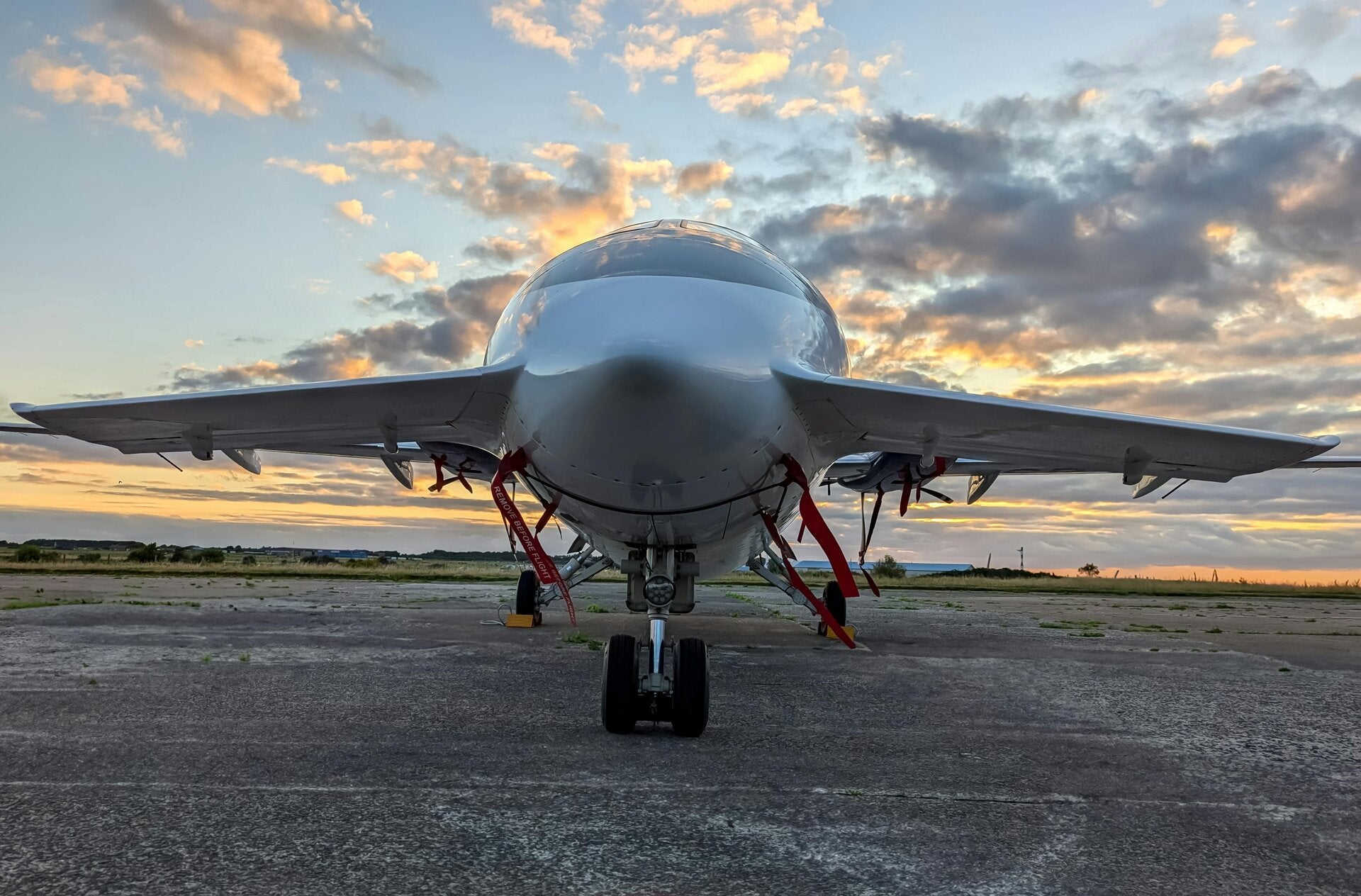
MQ-28 Ghost Bat
- Autonomous air systems
- Human-machine teaming
- Future combat air capability
Australians Unified reform
- National autonomous aerospace program
- Sovereign AI aviation systems
Air and space operations framework
- Space awareness and satellite resilience
- Communications resilience
- Space-domain integration
- Intelligence, surveillance and reconnaissance capability
Partner with the Australian Space Agency, Defence Science and Technology Group, Australian Signals Directorate, universities and industry.

Nation-building through air power
Infrastructure Australia
Support northern airfields, strategic aviation hubs, emergency aviation corridors, aerospace logistics infrastructure and disaster-response capability.
Outcome: national mobility and strategic readiness.
Education Australia
Support aviation STEM pathways, aerospace engineering, pilot development, space education, and AI and robotics pathways.
Outcome: a future aerospace workforce.
Industry Australia
Support aerospace manufacturing, aviation maintenance, space technologies, AI systems, defence exports and advanced composites.
Outcome: sovereign aerospace capability.
Emergency Management Australia
Support bushfire and flood operations, cyclone response, medical evacuation and humanitarian relief.
Outcome: national resilience.
Capability gaps and Australians Unified priority programs
Australians Unified identifies critical capability gaps in aerospace workforce shortages, pilot recruitment, sovereign sustainment dependence, northern airfield infrastructure and space workforce capability. High-priority gaps include AI integration, autonomous systems growth, aerospace manufacturing capacity, strategic fuel resilience and emergency aviation integration. The following programs provide a coordinated investment pathway for a stronger Australian Air Force, sovereign aerospace industry and resilient national air power.

Priority 1: Northern Air Power Corridor
Budget: $15 billion
Build operational reach, dispersed readiness and resilient logistics across northern Australia through:
- RAAF Base Tindal expansion
- Curtin Air Base enhancement
- Scherger capability growth
- Northern logistics network
This priority responds directly to northern airfield infrastructure gaps and supports faster deployment, sustained operations and regional deterrence.

Priority 2: Sovereign Aerospace Network
Budget: $12 billion
Strengthen Australia’s ability to build, maintain and upgrade essential aerospace capability at home through:
- Aerospace manufacturing
- Domestic sustainment
- Advanced aerospace technologies
- Supply chain resilience
This program addresses sovereign sustainment dependence and expands the industrial capacity needed for enduring air power.

Priority 3: Air and Space Capability Program
Budget: $10 billion
Advance integrated air and space operations to protect Australia’s communications, awareness and decision-making advantage through:
- Space systems
- Satellite resilience
- ISR capability
- Space workforce growth
This priority closes the space workforce capability gap while building stronger intelligence, surveillance and reconnaissance capability.

Priorities 4–5: autonomous systems and workforce
Autonomous Air Systems Program — Budget: $8 billion
- Ghost Bat expansion
- AI systems
- Autonomous logistics
- Future combat capabilities
Aerospace Workforce Program — Budget: $5 billion
- Pilot pathway program
- STEM scholarships
- Aerospace apprenticeships
- Veteran transition pathways
Together, these programs address pilot recruitment challenges, AI integration and autonomous systems growth while building a skilled, sustainable aerospace workforce.
Royal Australian Air Force improvement plan
Australians Unified outlines four foundational pillars to modernize air and space capabilities, expand high-skilled workforce readiness, bolster sovereign supply chains, and build lasting operational resilience across the nation.
A. Expand air and space capability
Increase targeted investment in sovereign satellite systems to secure vital national orbital assets. Integrate uncrewed autonomous aircraft and advanced next-generation sensors into frontline fleets while comprehensively modernising northern airbases to support evolving aerospace platforms.
B. Strengthen workforce and training
Expand pilot and technician training capacity to resolve critical service bottlenecks. Boost personnel retention through structured career progression and family-support frameworks while substantially accelerating recruitment across cyber defence, electronic warfare, and space-operations units.
C. Improve supply chain resilience
Dramatically increase domestic sustainment and precision manufacturing for aircraft components. Diversify global allied suppliers to mitigate foreign supply risk and build uncompromised sovereign capability for mission-critical avionics, embedded software, and flight systems.
D. Boost operational resilience
Harden strategic runways, hangars, and base facilities against extreme natural hazards. Establish multi-layered redundancy across aviation fuel networks, power grids, and military communications, while expanding rapid-response air mobility for domestic humanitarian emergencies and regional Indo-Pacific missions.
Four foundations for a future-ready Australian Air Force
Australians Unified aligns air power reform around four connected foundations: capable air and space forces, skilled people, sovereign industry and resilient operations. Together, they support a Royal Australian Air Force able to protect Australia, contribute to Indo-Pacific security and respond when communities need help.
Air and space capability
Build a force with the reach, awareness and strike options required for modern operations. Priorities include integrated air and space systems, advanced sensors, uncrewed aircraft, sovereign satellite resilience and upgraded northern airbases that support dispersed operations.

Workforce and training
Grow the pilots, technicians, engineers, cyber specialists and space operators Australia needs. Expand training capacity, STEM pathways, apprenticeships and retention supports, while creating clear career and veteran transition opportunities across the aerospace workforce.

Sovereign aerospace industry
Strengthen Australia’s ability to sustain, repair and upgrade essential air power at home. Investment in precision manufacturing, mission-critical avionics, embedded software, advanced composites and diverse allied supply chains builds enduring industrial capability.

Operational resilience
Ensure the Air Force can operate from more locations, more often and for longer. Harden runways and base facilities, improve fuel, energy and communications redundancy, and expand rapid air mobility for national emergencies and Indo-Pacific missions.
Australians Unified vision 2037 and gold standard success
Gold standard success definition
A gold standard Royal Australian Air Force achieves world-class air readiness, sovereign aerospace capability, integrated air and space operations, and advanced autonomous systems. It is anchored by secure aerospace supply chains, a strong aviation workforce, decisive regional air power leadership, an integrated national emergency aviation capability, robust domestic industry participation, and strategic self-reliance.
Australians Unified vision 2037
By 2037, the Royal Australian Air Force becomes the Indo-Pacific's leading middle-power air and space force, fully integrated with Australia's aerospace industry, education system, space sector, emergency management network, infrastructure programs, and sovereign technology ecosystem. Success is measured not only by combat aircraft and frontline operational capability, but by aerospace sovereignty, workforce depth, space integration, and the RAAF's enduring contribution to Australia's long-term security, prosperity, and strategic self-reliance.
RAAF governance map and operational leadership
Australians Unified gold standard governance framework aligns strategic national oversight, operational air wings, state capability networks, and community partnerships into a cohesive sovereign aerospace ecosystem.

Federal command level
Minister for Defence & Chief of Defence Force
Directs strategic defence policy, national security priorities, funding approval, integrated joint force planning, operational readiness, and aerospace workforce development.

RAAF operational groups
Frontline air and space power
Leads Air Combat Group (F-35A air superiority), Air Mobility Group (strategic airlift and emergency response), Surveillance & Response, Combat Support, and Defence Space Partnership.

State aerospace authority
SACA & state advisory boards
Drives aerospace workforce planning, airport infrastructure modernisation, defence aviation supply chains, STEM pathways, and advanced manufacturing across regional industry.

Local capability network
Aerospace community & capability (ACCN)
Connects councils, technical colleges, schools, air cadets, and veteran organisations to cultivate youth STEM pathways, local apprenticeships, and civil emergency readiness.
Frequently asked questions about air power reform
Find answers regarding Australians Unified plans for the Royal Australian Air Force, sovereign aerospace manufacturing, space integration, and workforce expansion.