Fisheries research and innovation
Delivering science, sustainability, and breakthrough innovation across Australian marine and aquatic ecosystems. We empower primary producers, safeguard natural abundance, and foster thriving coastal and regional communities nationwide.

Sustainable marine stewardship
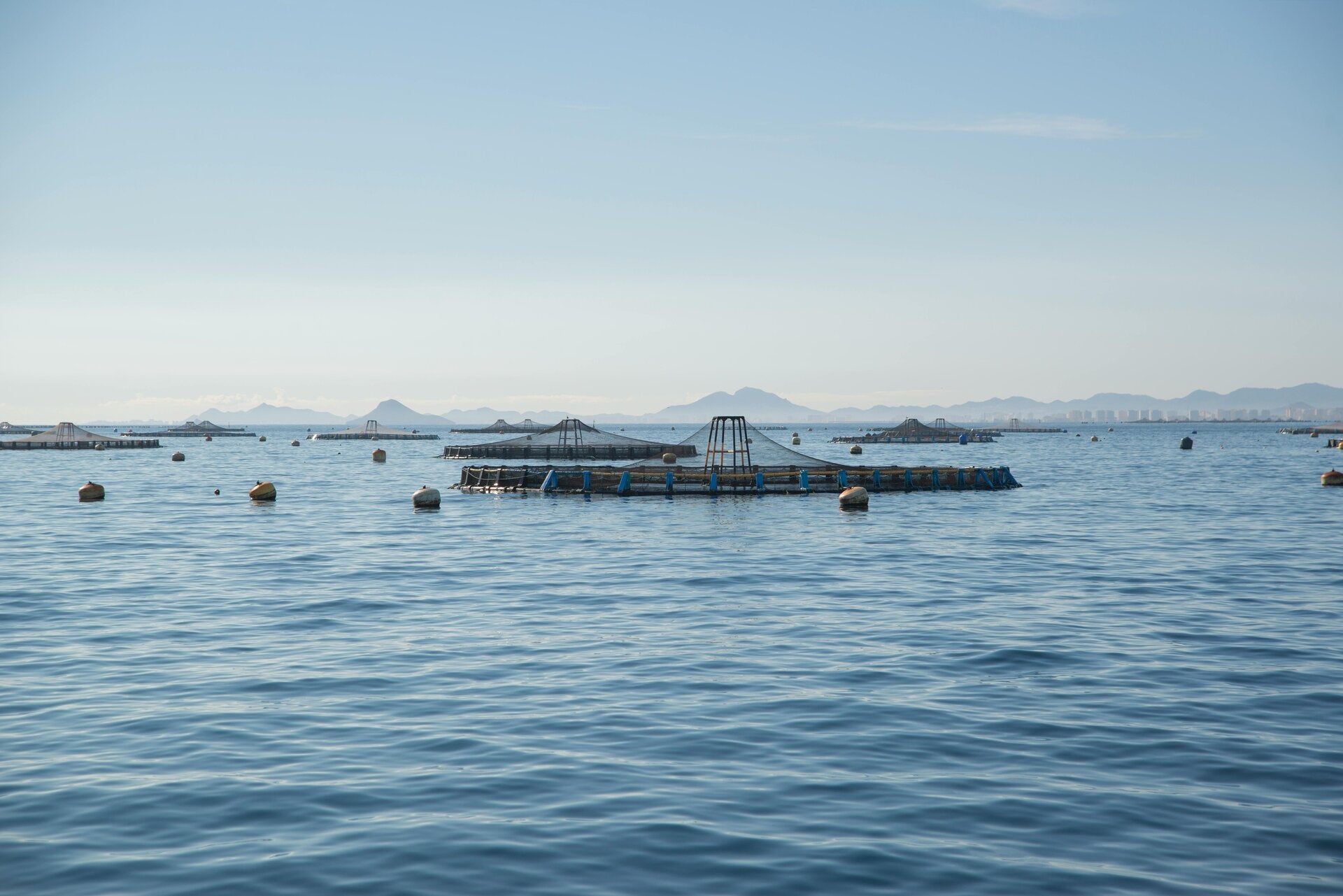
We champion sustainable fishery practices designed to secure long-term marine abundance. By directing research into climate resilience, biological health, and biosecurity protections, we ensure commercial harvesters and aquaculture operators flourish in balance with delicate aquatic environments.
Next-generation science and development
Scientific excellence drives our approach to marine habitats and species protection. From advancing aquaculture technologies and digital oceanography to predictive data modelling, we equip Australian industries with the technical insights needed for transparent, evidence-based policy formulation.

Overcoming industry challenges
Australia's primary producers confront intense pressures, from shifting oceanic currents and habitat degradation to biosecurity threats and aggressive global competition. Through collaborative investment and targeted industry support, we build sovereign resilience across our regional fishing economies.
Fisheries Research, Development & Innovation Agency
Operating under the Fisheries & Forestry Portfolio within the Australians Unified Gold Standard Agency Framework, FRDIA evolves Australia's research foundation into a world-leading authority for marine commercialisation, aquaculture expansion, and sustainable Blue Economy transformation.
Commonwealth statutory research authority
Evolving the legacy of national fisheries science into a centralised, accountable statutory authority. We align primary industry producers, scientific leaders, and government stakeholders to secure our sovereign maritime resources and aquatic ecosystems.
Commercialisation and technology adoption
Moving vital scientific research from laboratory trials into operational reality. FRDIA bridges the gap between biological discovery and market readiness, driving rapid uptake of digital oceanography, advanced harvesting tools, and sustainable processing systems.
Investment attraction and blue economy growth
Positioning Australian aquaculture and seafood processing as premier destinations for strategic domestic and global capital. We cultivate resilient regional supply chains, unlocking high-value export pathways for wild-catch and cultivated marine products.
Future industry transformation
Addressing critical ecological challenges, oceanic shifts, and biosecurity risks through proactive research. By empowering harvesters and regional communities, we build long-term economic prosperity and environmental sustainability across Australian waters.
Vision 2050: Australia’s blue economy leadership
Through the Fisheries Research, Development & Innovation Agency (FRDIA), Australia will become a global leader in sustainable fisheries innovation; the Southern Hemisphere’s aquaculture innovation hub; an advanced seafood technology exporter; a world leader in Blue Economy research; a global centre for sustainable marine protein production; and a leader in marine biotechnology innovation.
Governance flows from the Minister for Fisheries & Forestry to the FRDIA Board and Chief Executive Officer, who lead the Fisheries Research, Innovation & Commercialisation, Aquaculture Innovation, Blue Economy Innovation and Industry Adoption divisions. Together, they advance research excellence, industry innovation, commercialisation, sustainability, regional development and long-term security for future generations.

Fisheries research division
Delivers world-class fish stock research, fisheries science, marine biology, ecosystem health and resource sustainability research. Its outcome is evidence-based fisheries management that protects marine abundance and resource security for future generations.

Innovation and commercialisation division
Accelerates industry transformation through technology commercialisation, startups and spinouts, industry partnerships, intellectual property development and venture acceleration—turning research into products, services, businesses and export-ready economic activity.

Aquaculture innovation division
Builds a globally competitive aquaculture industry through hatchery systems, feed innovation, offshore aquaculture, production systems and advanced aquaculture technology. The division supports sustainable marine protein production, coastal jobs and regional investment.

Blue economy and industry adoption
Develops future marine industries through marine biotechnology, ocean technologies, marine robotics, blue carbon programs and emerging ocean industries. Extension services, technology deployment, workforce training, capability building and best-practice programs help industry adopt innovation faster.
Strategic SWOT analysis
A comprehensive assessment of Australia's fisheries, aquaculture capabilities, and emerging Blue Economy opportunities to steer long-term sovereign resilience.
Strengths
Existing fisheries research capability: Australia possesses internationally respected marine expertise, providing a strong platform for innovation.
Strong marine science network: Institutions and universities drive research excellence to accelerate industry commercialisation.
Premium seafood industry: Respected domestic and export brand equity unlocks commercial opportunities.
World-class marine resources: An expansive marine estate offers long-term global leadership potential.
Weaknesses
Limited commercialisation: Scientific outcomes do not always translate into operational commercial industries, risking lost economic growth.
Small industry scale: Aquaculture remains comparatively compact, limiting large-scale investment attraction.
Fragmented innovation ecosystem: Dispersed research initiatives decrease overall efficiency and coordination.
Workforce constraints: Shortages of specialist marine talent restrict rapid sector expansion.
Opportunities
Offshore aquaculture: Growing worldwide seafood demand unlocks major production and export pipelines.
Marine biotechnology: High-value biotechnology applications foster entirely new marine bio-industries.
Blue carbon markets: Dedicated oceanic carbon projects generate sustainable commercial revenue streams.
Global seafood demand: Heightened international appetite for certified sustainable protein strengthens premium Australian trade.
Threats
Climate change: Ocean warming and shifts in aquatic ecosystems jeopardise harvest yields and wild-catch productivity.
Biosecurity threats: Invasive marine pests and infectious pathogens present severe disruption risks.
International competition: Rapidly expanding foreign aquaculture operators challenge Australian market share.
Funding volatility: Shifting research grant cycles compromise enduring sovereign research capabilities.
TOWS strategy for fisheries innovation
Building on Australia’s fisheries research strengths, this TOWS strategy connects marine science, sustainable resource management, commercialisation and long-term capability to grow a resilient, export-ready Blue Economy.

SO strategy: Global marine innovation leadership
Leverage Australia’s research excellence and marine resources to become a world leader in fisheries innovation.
Actions: Seafood technology programs; marine research hubs; Blue Economy startups; export innovation programs.

ST strategy: Sustainable resource resilience
Use science and innovation to respond to climate and biosecurity threats while protecting sustainable fisheries resources.
Actions: Climate resilience research; fish stock modelling; biosecurity innovations; resource monitoring systems.

WO strategy: Commercialisation and industry growth
Transform research capability into business creation, industry expansion and new high-value marine opportunities.
Actions: Commercialisation funds; innovation accelerators; venture partnerships; industry adoption programs.

WT strategy: Long-term capability framework
Strengthen the workforce, infrastructure and investment foundations needed for enduring fisheries research and innovation.
Actions: Training programs; marine innovation centres; long-term research funding; strategic partnerships.
Budget framework and public wealth impact
A comprehensive comparison between Australia's current research investment and the proposed Australians Unified model, engineered to deliver transformative returns across regional prosperity, research excellence, and sustainable marine leadership by 2038.
| Current model program | Annual funding |
|---|---|
| Fisheries research & development | ~$70M |
| Aquaculture research | ~$20M |
| Marine innovation programs | ~$15M |
| Industry extension & adoption | ~$10M |
| Total current | ~$115M |
| Australians unified model program | Annual budget |
|---|---|
| Fisheries research division | $80M |
| Innovation & commercialisation division | $70M |
| Aquaculture innovation division | $100M |
| Blue economy innovation division | $80M |
| Industry adoption division | $40M |
| Commercialisation fund | $100M |
| Marine research infrastructure | $80M |
| Administration & governance | $20M |
| Total annual budget | $570M |
| Public wealth impact assessment category | Score |
|---|---|
| Research excellence | 10/10 |
| Innovation | 10/10 |
| Food security | 10/10 |
| Export growth | 10/10 |
| Regional prosperity | 10/10 |
| Future generations | 10/10 |
| Overall assessment | 60/60 – Platinum standard |
Fisheries innovation and blue economy reform agenda
The proposed Australian Fisheries Innovation & Blue Economy Policy 2028 sets a national direction to increase sustainable seafood production, expand aquaculture, accelerate innovation, create regional jobs, grow exports and develop future marine industries. The proposed Fisheries Research, Development & Innovation Agency Act 2028 establishes the Fisheries Research, Development & Innovation Agency (FRDIA) to deliver this agenda.

National aquaculture innovation
The National Aquaculture Innovation Program supports offshore aquaculture, advanced production technologies, feed innovation and new species development—building sustainable marine protein supply, regional employment and export capability.

Marine technology and biotechnology
The Marine Biotechnology Accelerator and Blue Economy Innovation Network advance blue biotechnology, marine pharmaceuticals and advanced marine products, alongside marine robotics, ocean monitoring and marine AI systems.

Commercialisation and seafood transformation
The Fisheries Commercialisation Fund backs startups, industry partnerships and market-ready technologies. The Seafood Industry Transformation Program drives processing innovation, export competitiveness and advanced manufacturing across the seafood supply chain.
Three-tier marine science and DBO accountability alignment
A structured operational breakdown defining the precise roles, statutory oversight, and regional delivery across federal, state, and local tiers under the AU and Department of Blue Economy (DBO) blueprint.
| Government tier & responsible entity | Operational role under AU & DBO blueprint |
|---|---|
| 🏛 Federal: FRDIA Statutory Authority + Federal DBO | Scales ~$115M/yr baseline to $570M/yr, enforces Australian-owned IP & startup priority on the $100M/yr Commercialisation Fund, and audits R&D outcomes via DBO. |
| 🏛 State (Victoria): State Fisheries Victoria & Marine Science (VFA / Queenscliff) | Runs Victorian fish-stock assessments, Portarlington/Western Port shellfish hatcheries, and marine eDNA biosecurity surveillance. |
| 🏘 Local Council: Local Coastal, Port & Blue-Economy Innovation Hubs | Connects local fishing co-ops, TAFE marine campuses, and coastal shires (Lakes Entrance, Portland, Bellarine) to commercialisation grants. |
Fisheries Research, Development & Innovation Agency Bill 2028
The Fisheries Research, Development & Innovation Agency Act 2028 establishes the Fisheries Research, Development & Innovation Agency (FRDIA) under the Commonwealth Fisheries & Forestry Portfolio. Designed to unify national marine science, the Act strengthens sustainable resource management, accelerates aquaculture development, and bolsters sovereign food security across Australian waters.
Collaboration with industry and First Nations communities is a central focus of the Act. FRDIA is empowered to partner with commercial and recreational fishers, aquaculture producers, research institutions, coastal communities and Traditional Owners to identify priorities and translate research into practical outcomes. By recognising Indigenous knowledge and supporting locally led innovation, the Agency can help develop resilient fisheries, create regional employment and improve stewardship of marine and freshwater ecosystems.
Governed by an independent Board and guided by scientific integrity and industry collaboration, FRDIA establishes dedicated research divisions and a Fisheries Commercialisation Fund. Supported by a planned multi-year investment transition to $570M per annum, this framework delivers regional prosperity, blue carbon innovation, and long-term marine stewardship for future generations.
Workforce Capability and Regional Participation are central to ensuring these investments create lasting value. FRDIA will support skills development, career pathways and partnerships with coastal communities, First Nations organisations, researchers and industry, helping build a highly capable fisheries and aquaculture workforce. By connecting local knowledge with leading science and emerging technologies, the initiative strengthens regional decision-making, creates quality jobs and ensures the benefits of marine innovation are shared across Australia.
Benefits and outcomes for Australia
A modernised fisheries innovation model delivers measurable national dividends across food sovereignty, coastal prosperity, scientific capability, and environmental longevity for future generations.
Sovereign food security and export value
Expanding offshore aquaculture and wild-catch science safeguards Australia's marine protein supply chain while dramatically scaling premium, sustainable seafood exports across key Indo-Pacific and global trading corridors.
Thriving regional and coastal employment
Investing directly in local hatcheries, commercialisation hubs, and processing infrastructure generates secure, high-skill regional jobs, supporting maritime workforces and First Nations coastal communities nationwide.
Ecosystem resilience and blue carbon
World-class oceanographic research, biosecurity protocols, and marine habitat regeneration protect fish populations against oceanic climate impacts while opening high-yield blue carbon credit initiatives.
Rapid technological commercialisation
Dedicated funding bridges the gap between scientific breakthrough and operational uptake, empowering homegrown marine robotics, AI monitoring, and biotechnology ventures to lead global markets.
FRDIA governance and ownership guardrails
Embedding sovereign protections, transparent multi-tier accountability, and local enterprise empowerment to ensure Australia's fisheries research and innovation deliver enduring domestic returns.
Three-tier alignment framework
A fully integrated national pipeline connects research directly with industry adoption across three tiers:
- Federal: FRDIA partners with the Department of Blue Economy (DBO) to steer national fisheries research, commercialisation, and innovation.
- State: Fisheries Victoria (Victorian Fisheries Authority and Marine Science programs) acts as primary delivery partner for adoption and industry development.
- Local: Coastal and Port Innovation Hubs in Queenscliff, Portarlington, Lakes Entrance, and Portland drive tech trials, aquaculture innovation, and workforce training.
Commercialisation fund ownership protections
The $100M annual Fisheries Commercialisation Fund prioritises Australian-owned startups, family-owned fishing businesses, regional cooperatives, Indigenous fisheries enterprises, and marine tech firms. Publicly funded IP must, wherever practical, remain Australian-owned, controlled, and commercialised. Foreign entities may collaborate, but sovereign capability and regional economic returns remain mandatory assessment hurdles.
DBO audit and accountability framework
The Department of Blue Economy (DBO) performs stringent annual audits across all funding allocations. Grant recipients are legally required to report ownership structures, IP arrangements, local employment metrics, commercialisation milestones, and regional economic benefits. Comprehensive reports tabled in Parliament account for domestic versus foreign funding shares, IP retention, regional jobs, and export performance.
Strategic national outcomes
These ownership guardrails safeguard public investment, preventing taxpayer-funded R&D from flowing offshore to foreign conglomerates. By strengthening sovereign seafood and marine technology capability, increasing Australian equity across fisheries innovation, and protecting coastal communities, Australia locks in high-value intellectual property and commercial returns for future generations.
References and official sources
This national fisheries research baseline, operational transition model, and projected financial allocation are informed directly by official statutory authorities, Commonwealth legislation, and portfolio budget records:
- Primary Industries Research and Development Act 1989 (Cth): Establishing the statutory powers, levy-matching mechanics, and research mandates governing Australia's primary industry corporations.
- FRDC Annual Operational Plan 2026–27: Confirming strategic research priorities, commercialisation targets, regional extension programs, and the baseline ~$115M annual investment envelope.
- DAFF Portfolio Budget Statements 2026–27: Outlining Department of Agriculture, Fisheries and Forestry program funding, statutory agency appropriations, and federal research grants.
- Australians Unified Gold Standard Agency Framework: Guiding the proposed transition toward the Fisheries Research, Development & Innovation Agency Act 2028 and long-term Blue Economy governance.
Frequently asked questions
Explore essential details about the proposed Fisheries Research, Development & Innovation Agency (FRDIA), the 2028 legislative framework, and Australia's vision for sustainable Blue Economy leadership.