Local government sport and recreation
Fostering active living, inclusion, and lasting connections across Victorian communities. Local councils maintain the vital recreational infrastructure that brings Australians together on common ground.
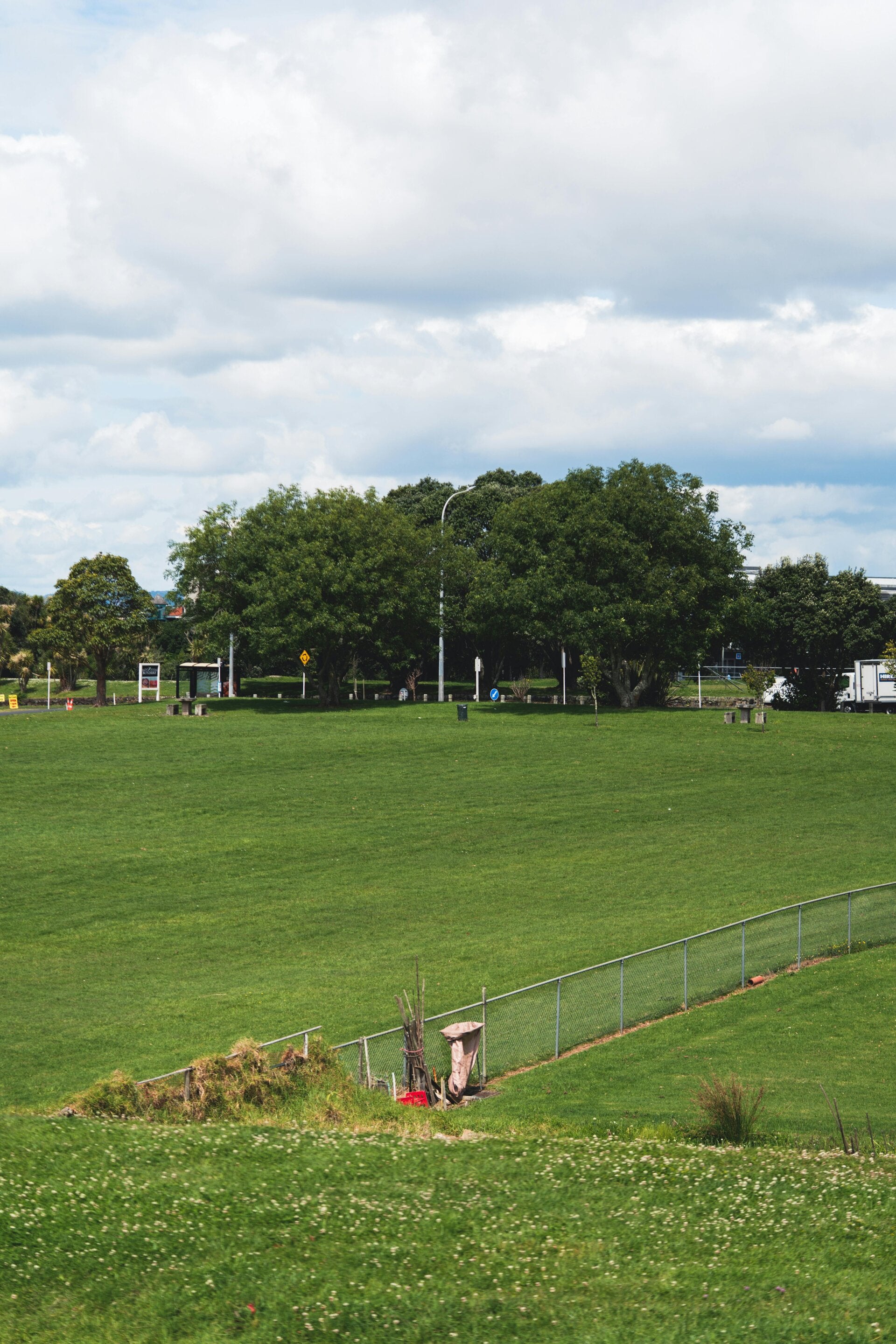
Community participation and active living
Local councils build the grassroots foundation of public wellbeing across Victoria. By maintaining everyday sporting grounds, courts, playgrounds, and aquatic centres, local authorities ensure every resident has accessible avenues for physical activity and healthy recreation.

Infrastructure, clubs, and shared spaces
From regional recreation reserves to suburban walking tracks, local government stewards vital spaces where sports happen every day. Partnering with community clubs and local volunteers, councils maintain safe, high-quality facilities that support community pride and intergenerational participation.

Strategic governance and regional delivery
Anchored in the Unity pillar alongside Prosperity and Future Australia, sport and recreation delivery connects local councils with Sport and Recreation Victoria. Together, they direct investment toward equitable recreation planning, long-term asset renewal, and stronger community cohesion.
Local government sport and recreation overview
A comprehensive look at how local councils support grassroots athletics, community wellbeing, and public recreation infrastructure across Victoria.
🎯 Current role: what does local government do?
Summary: Councils provide, maintain and support the facilities, programs and partnerships that enable community sport and recreation participation.
Key responsibilities:
- Sporting grounds: Provide and maintain ovals, fields and playing surfaces used by local sporting clubs and community groups.
- Recreation reserves: Manage public open spaces that support organised sport, recreation and community activities.
- Aquatic facilities: Operate or support swimming pools, leisure centres and aquatic programs that promote community health.
- Walking and cycling trails: Develop active transport and recreational pathways that encourage healthier lifestyles.
- Community sport partnerships: Work with local clubs, schools and sporting organisations to increase participation and strengthen community engagement.
- Recreation programs: Deliver and support programs that encourage active living and participation across all age groups.
🚀 Current objectives: what is local government trying to achieve?
Summary: Increase participation, improve community wellbeing and create accessible sporting opportunities for all residents.
Core goals:
- Increase participation: Encourage more people to take part in sport, recreation and active lifestyles.
- Improve community health: Support physical and mental wellbeing through regular community participation in sport and recreation.
- Strengthen communities: Use sport and recreation to build stronger social connections and community pride.
- Support local clubs: Assist community sporting clubs through facilities, funding and volunteer development.
- Improve accessibility: Ensure facilities and programs are inclusive and accessible to people of all ages and abilities.
⚠ Current challenges: what problems currently exist?
Summary: Growing demand, ageing facilities and limited funding continue to place pressure on local sporting infrastructure.
Key pressures:
- Infrastructure backlogs: Many sporting facilities require upgrades, maintenance or renewal to meet community expectations.
- Population growth: Growing communities are increasing demand for sporting fields, courts and recreation facilities.
- Volunteer fatigue: Many clubs rely heavily on volunteers who are becoming harder to recruit and retain.
- Accessibility gaps: Some facilities do not fully accommodate people with disabilities or changing community needs.
- Funding constraints: Limited budgets often restrict the ability to expand or upgrade facilities.
🔄 Current initiatives: what improvements are currently underway?
Summary: Councils are investing in facilities, participation programs and inclusive recreation opportunities to support future community needs.
Active projects:
- Pavilion upgrades: Modernising clubrooms and shared facilities to improve accessibility and participant experience.
- Sports lighting projects: Extending facility usage hours through upgraded energy-efficient lighting systems.
- Female-friendly facilities: Improving amenities and infrastructure to support increased female participation in sport.
- Community participation programs: Encouraging residents to become more active through organised activities and local initiatives.
- Active transport initiatives: Expanding walking and cycling infrastructure to support healthy lifestyles.
- Inclusive recreation programs: Delivering activities that provide opportunities for people of all abilities to participate.
- Regional sports infrastructure: Supporting the development of regional sporting facilities that attract investment and increase participation.
💰 Funding sources for regional development
Regional development programs are funded through a combination of Commonwealth, Victorian, local government and partnership investment. Together, these funding sources help deliver infrastructure, services and economic opportunities that strengthen regional communities.

🇦🇺 Commonwealth government funding
The Australian Government funds national programs supporting major infrastructure, regional investment and economic development across Australia.
- Regional investment programs: projects that build economic growth, productivity and community resilience.
- Infrastructure funding programs: roads, transport networks, communications infrastructure and community facilities.
- Disaster recovery funding: support for communities recovering from natural disasters and major disruptions.
- Regional connectivity programs: improved digital infrastructure and telecommunications access for regional Australia.
Relevant policies: Regional Investment Framework; Infrastructure Investment Program; Disaster Recovery Funding Arrangements; Regional Connectivity Program.

🏛 Victorian government funding
The Victorian Government provides funding for regional infrastructure, economic development and community services that support growth and liveability.
- Regional Development Victoria programs: local jobs, industry development and economic opportunities.
- Transport and infrastructure investment: roads, rail, public facilities and regional connectivity improvements.
- Community infrastructure grants: council and community organisation upgrades to local facilities.
- Regional growth programs: business investment, tourism development and workforce participation.
Example: A regional town may receive a Victorian grant for a new sporting precinct, business hub or community facility.
Relevant policies: Regional Development Victoria Strategy; Victoria’s Regional Growth Plan; Victorian Infrastructure Plan; Regional Jobs and Infrastructure Fund.

🏘 Local government funding
Local councils contribute funding for local infrastructure, community facilities, planning and place-based initiatives that directly benefit residents.
- Council capital works programs: upgrades to community assets and facilities.
- Community development programs: local events, engagement activities and volunteer programs.
- Economic development initiatives: assistance for local businesses and investment attraction.
- Strategic planning programs: identifying and prioritising future community needs.
Example: A council may contribute to a regional sports facility, streetscape upgrade or local business development initiative.
Relevant policies: Municipal Strategic Statement; Council Plan; Community Vision; Economic Development Strategy.

🤝 Partnership funding
Many successful regional projects rely on shared investment between Commonwealth, state and local governments, industry and community organisations.
- Federal–state agreements: large infrastructure and strategic development projects.
- State–council partnerships: community facilities and local service improvements.
- Industry contributions: private-sector investment that supports economic growth.
- Community partnerships: funding and practical support from local organisations and community groups.
Example: A regional innovation hub could be funded through a combined Commonwealth grant, Victorian Government contribution, council investment, industry support and community partnerships.
Local funding and policy frameworks
Grassroots sport thrives through local council investments, community partnerships, and coordinated national policies that keep recreational infrastructure accessible for all Victorians.
Local government funding programs
Councils contribute directly to the facilities and services used by sporting clubs and residents across Victoria:
- Council capital works programs: Funding for sporting grounds, courts, and recreation facilities.
- Community grants programs: Supporting local sporting clubs and participation initiatives.
- Asset renewal programs: Ongoing maintenance and upgrades of existing community facilities.
Real council examples include pavilion upgrades at local football and cricket clubs, netball court resurfacing, sports field irrigation, community skate parks, walking trails, and public pool renewal projects.
Club and community contributions
Community organisations and sporting clubs deliver vital co-investment through dedicated local efforts:
- Club membership fees: Providing grassroots operational capital.
- Sponsorship programs: Securing regional commercial backing.
- Community fundraising: Drives for equipment and clubhouse amenities.
- Volunteer contributions: Vital coaching, maintenance, and committee leadership.
- Local business partnerships: Collaborative community support.
Example: A sporting club raises funds for new clubrooms while council and government grants fund the core infrastructure works.
Federal government sporting policies
Sporting infrastructure and community initiatives are anchored in Commonwealth strategic frameworks:
- Australian Sports Commission Framework: Supports participation, excellence, and integrity in Australian sport.
- National Sport Participation Strategy: Encourages active lifestyles across all age brackets.
- Closing the Gap initiatives: Fosters greater sports participation and facilities in First Nations communities.
- Disability inclusion programs: Promotes accessible venues and adaptive sport opportunities.
Connected community impact
Sporting infrastructure works best when local priorities align with overarching policy guidelines promoting inclusion, health, and social cohesion.
A typical Victorian council allocates capital works funding toward upgrading an entire reserve—installing accessible pathways, energy-efficient lighting, and upgraded pavilions—ensuring active participation across generations under the shared banner of unity and community wellbeing.
Frequently asked questions about local sport and recreation
Find answers to common questions about municipal sporting infrastructure, grant funding, facility management, and grassroots club partnerships across Victoria.