Local environment & sustainability authority
Operating under the Sovereignty pillar of the Gold Standard Local Council Framework (2037), our mission is to safeguard Australian communities. We empower neighbourhoods to remain clean, green, resilient, and environmentally sustainable for generations to come.
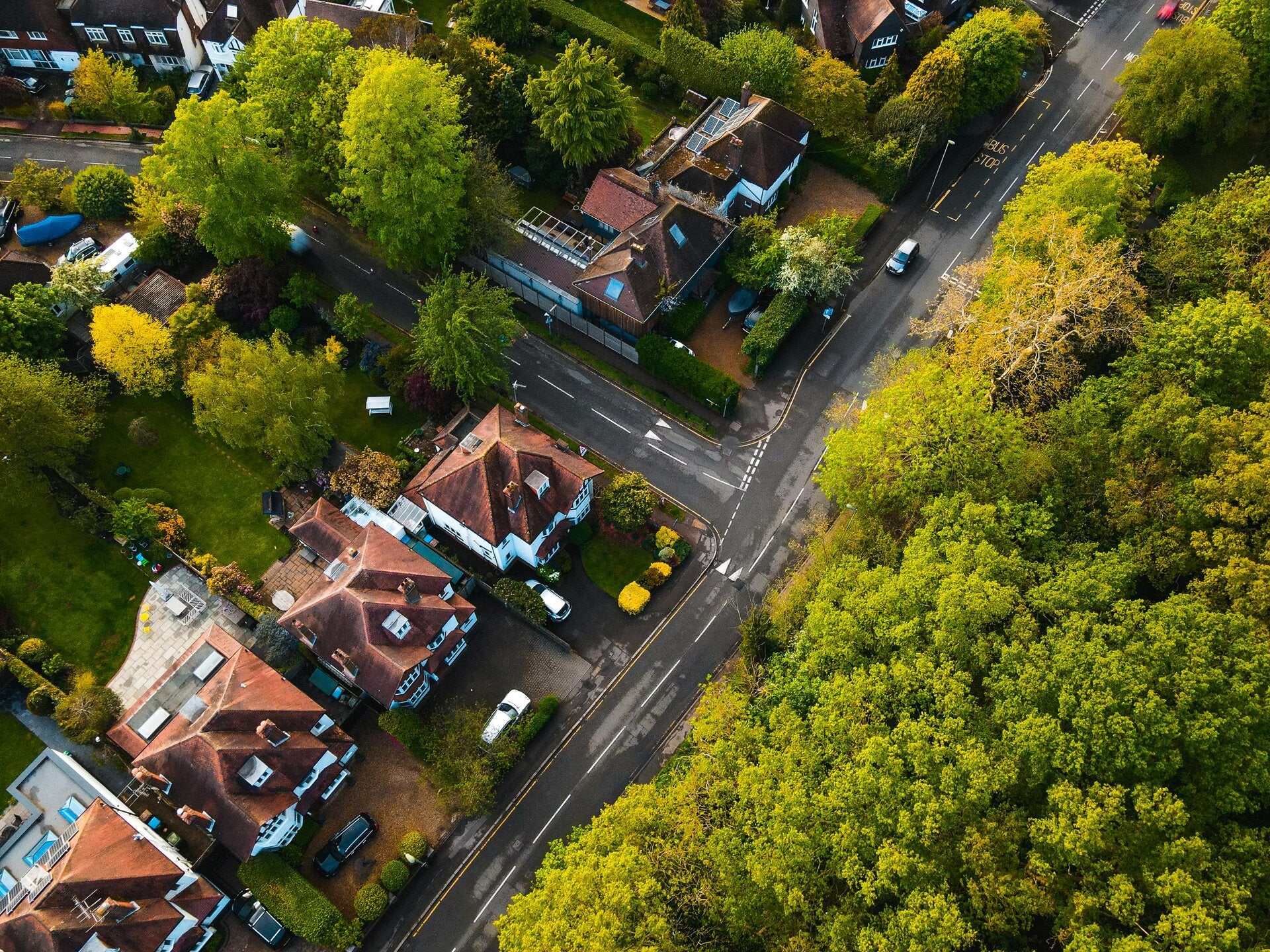
Urban canopy and green corridors
Through our dedicated urban forest program and green streets initiative, we actively counteract canopy loss and rising urban heat. By cultivating native streetscapes and expanding open parks, we safeguard local biodiversity while cooling our community neighbourhoods naturally.
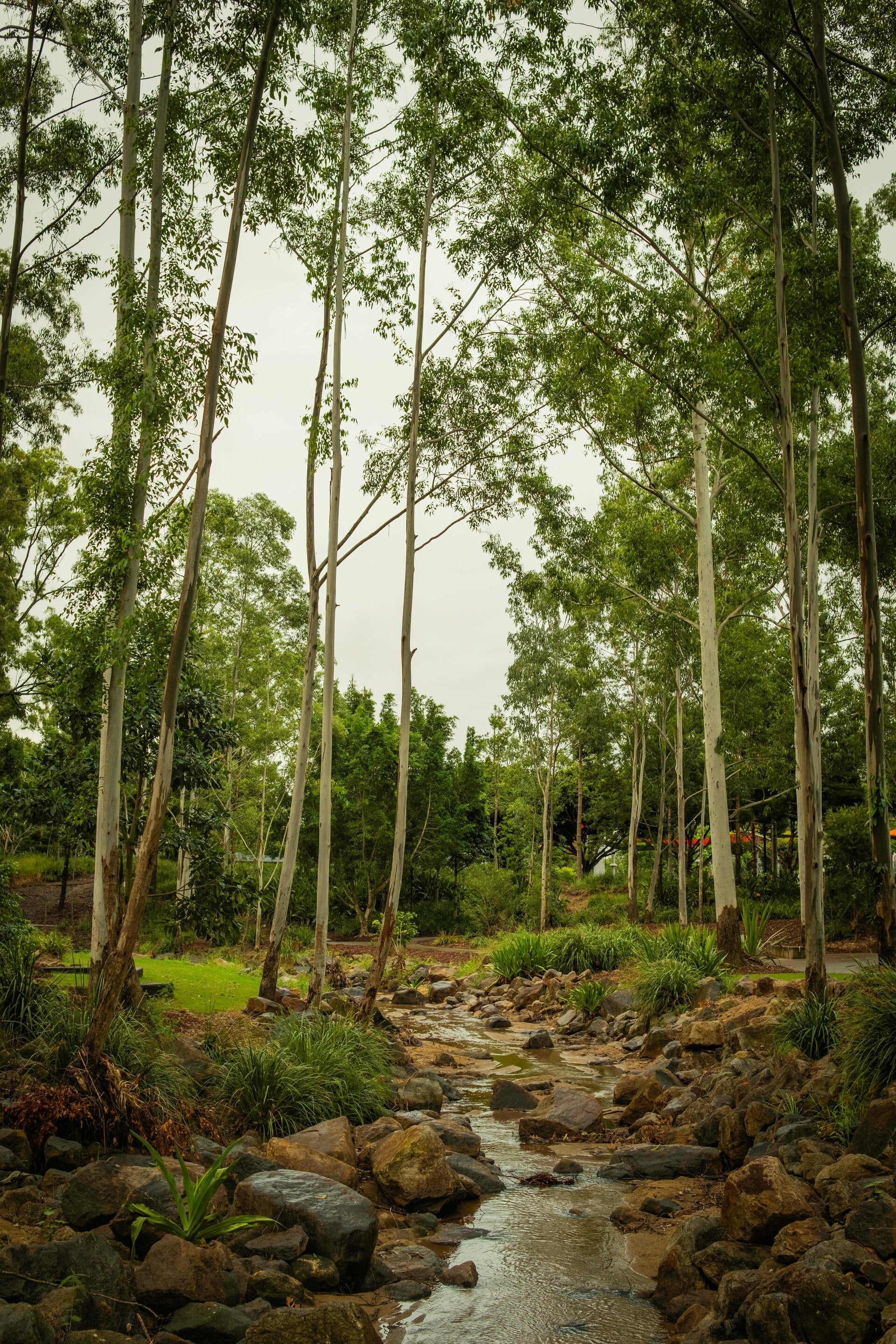
Waterway recovery and climate resilience
Protecting local catchment zones and wetlands is vital to reducing flood risks and stopping urban pollution. Our targeted waterway recovery projects build lasting infrastructure to manage regional stormwater, protect native aquatic life, and adapt to changing climate realities.
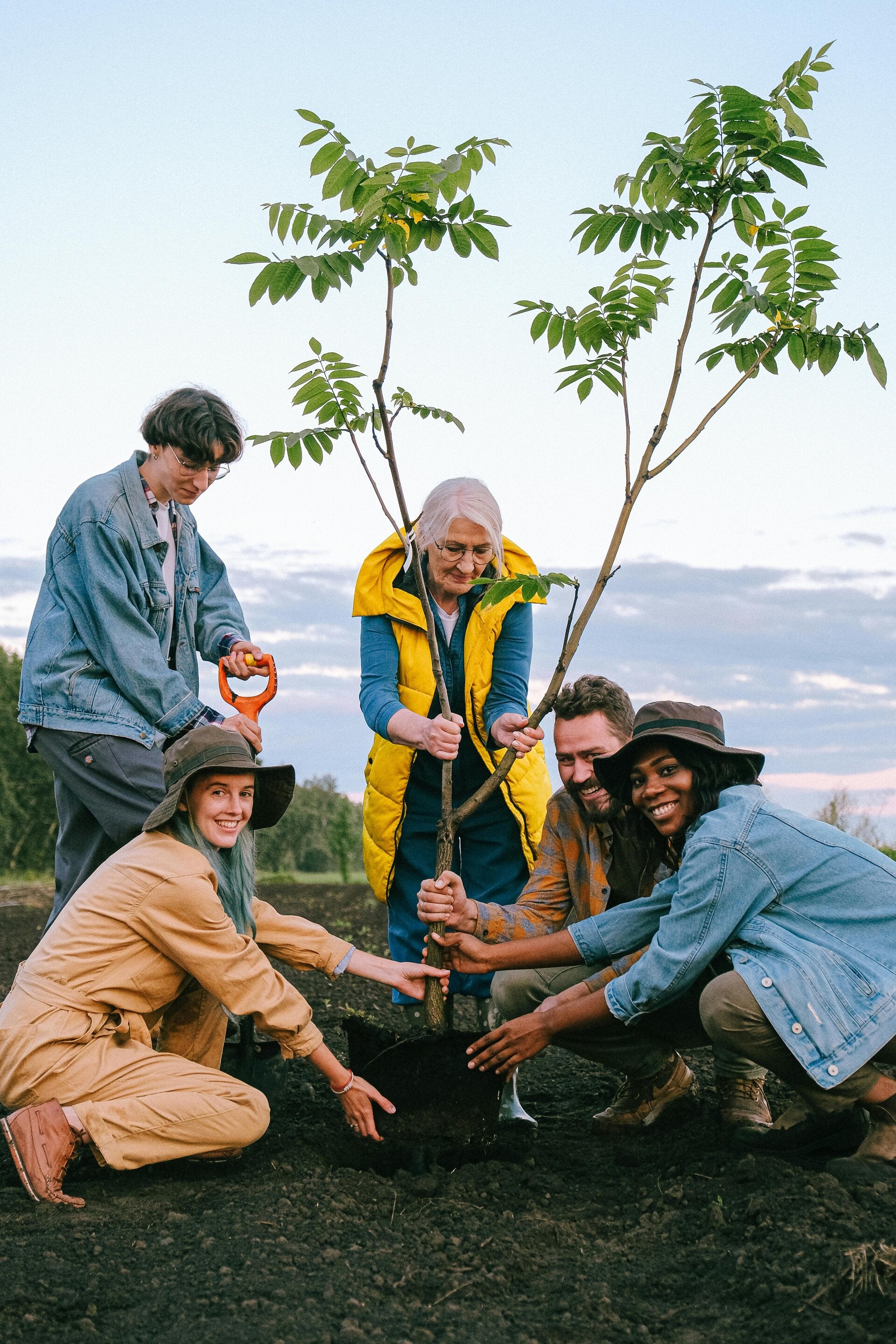
Community hubs and smart circular waste
We bridge modern technology and civic grassroots action with the smart waste & recycling system alongside regional sustainability hubs. Backed by an engaged community volunteer network, local citizens lead practical conservation efforts, environmental workshops, and sustainable resource management.
Local environmental governance and reform
A transparent breakdown of our municipal responsibilities, current environmental challenges, decisive reform plans, and jurisdictional leadership across Australia.
What we do: current responsibilities
Local councils are responsible for stewarding our shared physical environment day to day. We manage and protect local parks and gardens, cultivate street trees, maintain open recreational spaces, oversee municipal waste and recycling collections, restore local waterways, deliver community sustainability programs, facilitate environmental education, lead climate resilience planning, and empower grassroots conservation projects.
Current challenges facing our communities
Neighbourhoods face mounting pressures that threaten liveability and native ecology. Priority issues include rapid tree canopy loss, worsening urban heat islands, persistent waterway pollution, rising waste management costs, severe biodiversity decline, local flooding risks, accelerating climate impacts, and infrastructure strains from rapid population growth.
Australians unified plan: key reforms
Our national blueprint delivers targeted solutions across municipalities: an active urban forest program, green streets initiatives, dedicated waterway recovery projects, local community sustainability hubs, biodiversity protection schemes, an integrated community volunteer network, smart circular waste systems, and practical local climate resilience infrastructure.
Who does what: government roles
Effective stewardship relies on coordinated governance across all three tiers. The federal government sets national environmental policy, national standards, and strategic funding. State governments manage regulation, water basins, and statewide conservation. Local councils deliver on-the-ground outcomes including public open spaces, tree canopies, waste operations, and community sustainability.
Gold standard funding and 2037 environmental targets
A transparent look at council funding, success benchmarks, and our transition from today's pressures to an environmentally resilient Australia by 2037.
Strategic investment model
Moving from the current average council budget of $10 million to the $18 million gold standard budget. This dedicated $8 million additional investment fuels local street greening, catchment health, and sustainable community infrastructure.
Rigorous success measures
Council performance is tracked across core indicators: tree canopy coverage, waterway health, recycling rates, biodiversity vitality, climate resilience, grassroots community participation, and verified resident satisfaction.
The 2037 outcome transformation
Shifting from the business-as-usual score of 130 / 250 (declining canopy, rising heat and flood risks) to our gold standard target of 245 / 250, ensuring greener neighbourhoods, cleaner waterways, and resilient suburbs across Australia.
Gold standard environmental transition framework
A comprehensive comparison outlining our target investment budget, measurable performance KPIs, return on investment, and the 2037 Gold Standard transformation for Australian communities.
Funding framework: +80% investment
Moving from the current average council budget of $10M to the AU Standard of $18M represents an additional $8M annually (+$88M to 2037). This delivers:
- +50% tree planting programs (more street and park shade)
- +40% biodiversity projects (wildlife habitat creation)
- +60% waterway restoration capacity (cleaner creeks and wetlands)
- +35% waste diversion capability (less waste sent to landfill)
- +70% climate resilience projects (flood mitigation and urban cooling)
KPI framework: measurable community outcomes
Rigorous benchmarking targeting dramatic improvements across our key environmental indicators:
- Tree canopy coverage: 130 to 245 target (+88% shade in public areas)
- Waterway health: 125 to 240 target (+92% cleaner waterways, reduced pollution)
- Biodiversity health: 120 to 240 target (+100% native birds and wildlife)
- Waste diversion: 140 to 240 target (+71% less rubbish in landfill)
- Community participation: 130 to 230 target (+77% resident involvement)
ROI framework: $2.20 return per $1 invested
Increasing investment to $18M yields $40M in annual community benefit ($22M net benefit):
- Reduced urban heat costs: $8M (lower cooling bills and improved comfort)
- Reduced flood damage costs: $6M (stormwater and resilience planning)
- Environmental & recreation value: $10M (active parks and trails)
- Biodiversity & ecosystem value: $7M (healthier ecological assets)
- Waste savings & resource recovery: $9M (lower landfill costs)
2037 Comparison: current trajectory vs gold standard
Current direction (Score: 130 / 250): Canopy loss, increasing heat, and growing flood risks under business-as-usual operations.
Australians Unified Gold Standard (Score: 245 / 250): Greener suburbs, cleaner waterways, higher recycling, climate resilience, and +88% overall performance (+115 points). Tree-lined streets reduce summer temperatures by 5–10°C, delivering healthier, resilient neighbourhoods across Australia.
Local environmental authority FAQ
Explore common questions regarding our Gold Standard municipal framework, environmental investments, and 2037 sustainability targets across Australian communities.