Victorian transport portfolio
Moving people, freight, and communities across Victoria. A dependable transport network supports economic growth, regional connectivity, and safe access to vital services.
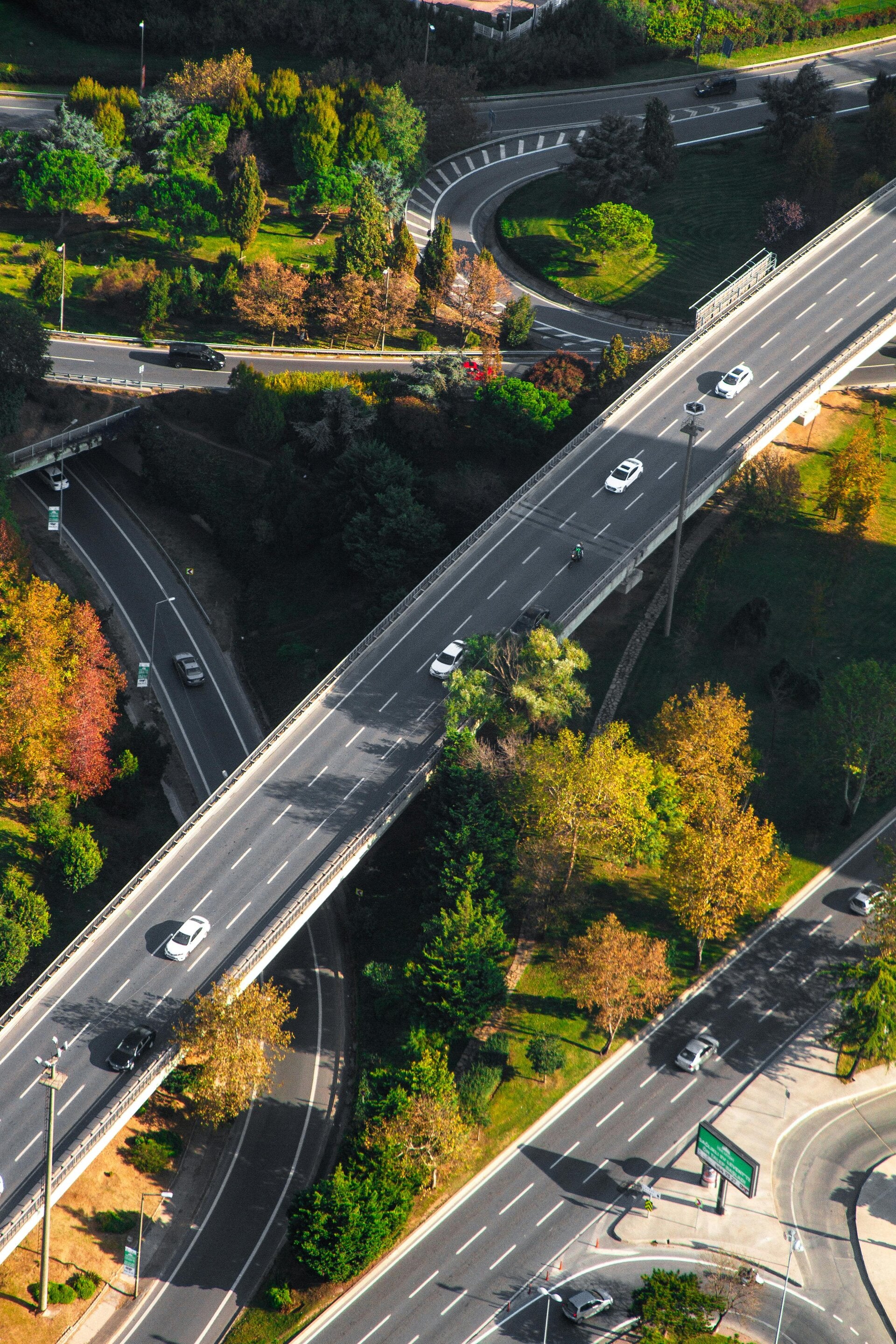
Major arterial roads and freight corridors
Major roads serve as the backbone of our economy and community movement. We prioritise critical links between major population hubs, industrial precincts, commercial ports, and regional trade corridors to keep Victoria moving safely and efficiently.

Connecting regional and rural communities
Regional road infrastructure connects our rural townships and agricultural producers to essential services, employment hubs, education, and healthcare. Strengthening these routes ensures every Victorian remains connected regardless of location.

Capacity upgrades and safety infrastructure
Strategic investments in intersection upgrades, intelligent traffic management, modern safety barriers, and durable lighting reduce road accidents while managing traffic flow for long-term state growth.

A connected transport future for Victoria
Australians Unified supports a safe, efficient and resilient Victorian transport system that moves people, freight and communities. From reliable roads, rail, buses and trams to accessible stations, freight corridors, walking and cycling networks, and regional connections, transport must keep pace with population growth while improving affordability, maintenance, safety and network reliability. Our reform priorities include long-term infrastructure planning, regional investment, better road and public transport integration, freight efficiency, accessibility upgrades and smart transport technologies that connect Victorians to work, education, healthcare and essential services.
Challenges and strategic reform priorities
A modern Victorian transport network must address growing population pressures, aging infrastructure, and supply chain constraints by delivering coordinated, forward-looking reforms.
Roads and arterial corridors
Challenges: Traffic congestion, freight bottlenecks, aging pavements, and regional road deterioration.
Reform opportunities: Multi-year maintenance planning, targeted regional upgrades, dedicated freight corridors, and proactive black spot safety programs across key routes like the Princes, Western, and Calder Highways.
Rail and passenger networks
Challenges: Capacity bottlenecks, signalling constraints, accessibility barriers, and service reliability gaps.
Reform opportunities: Future network capacity planning, station accessibility retrofits, freight rail modernisation, and expanding regional V/Line links to better integrate with Melbourne's metropolitan rail network.
Freight, logistics, and supply chains
Challenges: Freight congestion, rising demand, and limited intermodal connectivity between rail, road, and ports.
Reform opportunities: Targeted freight corridor upgrades, intermodal hub investments in Laverton North and Dandenong South, and direct access improvements to the Port of Melbourne.
Public and regional transport access
Challenges: Dispersed populations, off-peak frequency shortfalls, and uneven suburban connectivity.
Reform opportunities: Bus route modernisation, accessible fleet renewal, unified timetable coordination, and dedicated rural transport programs connecting local communities to essential services.
Strategic opportunities for Victorian transport
Victoria can unlock major economic and social benefits by modernising our transport networks, planning proactively for population growth, and strengthening connections across our regions.
Network modernisation and smart transport technology
Upgrading signalling systems, deploying real-time traffic optimisation, and integrating smart vehicle management tools improve passenger flow and safety while maximizing the efficiency of Victoria's existing road and rail assets.
Regional investment and rural connectivity
Prioritising funding for arterial routes, rural bus lines, and regional rail corridors like V/Line bridges the gap between regional centres and Melbourne, unlocking economic participation and essential service access.
Integrated multi-modal transport planning
Coordinating bus routes, tram corridors, train timetables, and active transport paths creates a seamless network that eases road congestion, reduces emissions, and provides dependable door-to-door community mobility.
Freight efficiency and supply chain resilience
Targeting investments in intermodal terminals, dedicated freight rail links, and direct arterial connections to the Port of Melbourne strengthens supply chains and lowers transport costs across industries.
Frequently asked questions about Victorian transport
Explore common questions regarding our strategic priorities, infrastructure reforms, and integrated mobility plans across Victoria.