State Electoral Office (VEC)
Democratic participation
Strengthening civic engagement and public participation across Victoria and Australia. Discover how we empower citizens to engage directly with government decision-making, access trusted information, and build confidence in fair, transparent democratic systems.
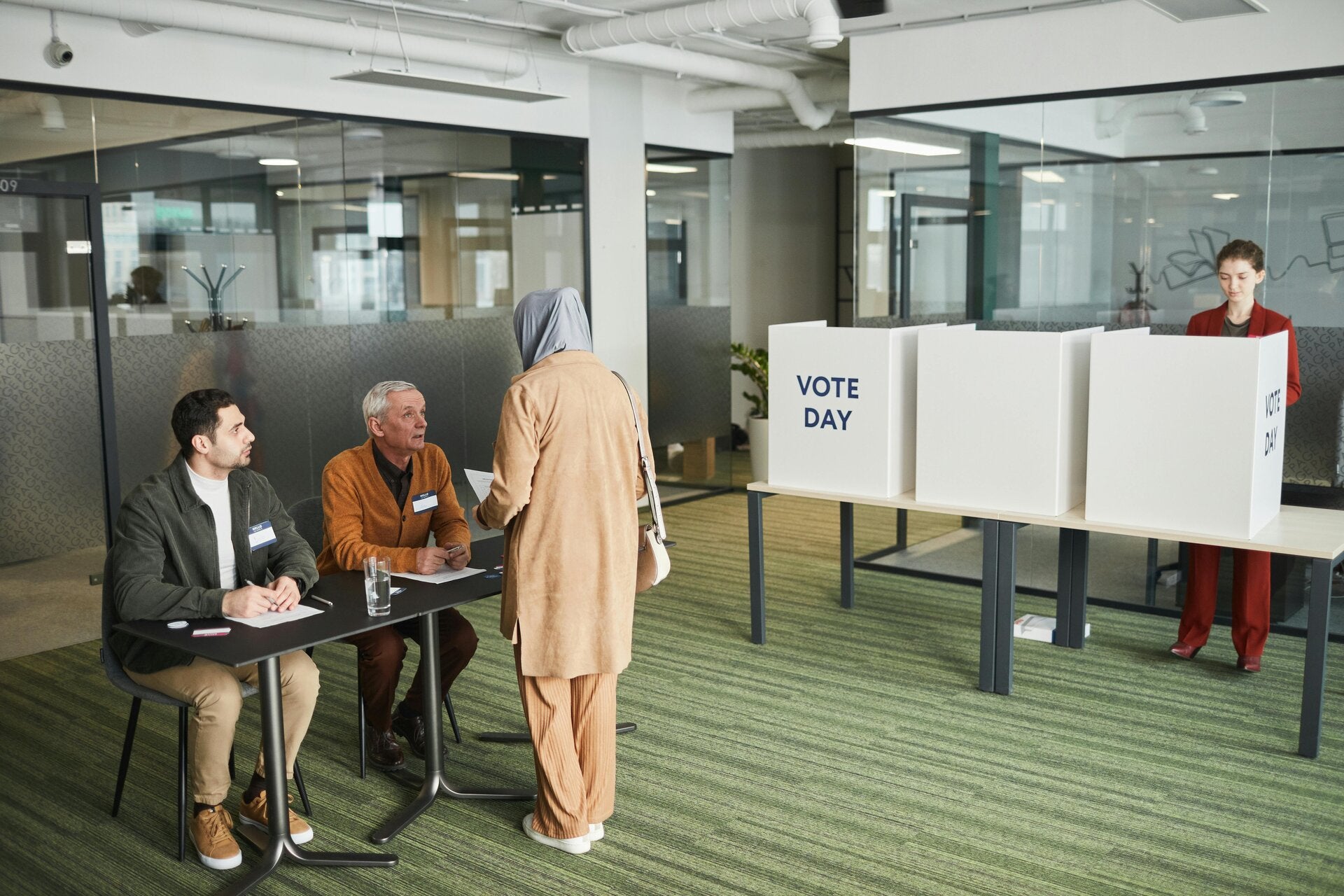
Voter participation & civic voice
A healthy democracy relies on every eligible voice being heard. We focus on dismantling barriers to civic action, ensuring all Victorians and Australians can actively take part in local and national elections. By encouraging active participation and fostering open dialogue, we ensure community priorities directly guide our elected representatives.

Electoral integrity & public trust
Integrity forms the bedrock of public confidence. Our initiatives uphold absolute transparency in election administration, monitoring processes, and institutional accountability. Through rigorous oversight and clear reporting, we safeguard the democratic architecture that keeps our leadership accountable to the people.

Accessible governance & administration
Democracy must remain accessible to everyone, regardless of background or ability. We advocate for streamlined voter services, clear information channels, and direct consultation pathways. By modernising administration and expanding civic access, we empower every Australian to shape the future of their local community.

🗳 State Elections
- Victorian State Elections
- By-Elections
- Election Administration
- Polling Operations
- Vote Counting
- Election Delivery Services
📜 Policy Issues & Amendments
- Electoral Process Reviews
- Voting Accessibility Reforms
- Election Administration Modernisation
- Electoral Participation Programs
- Election Integrity Measures
- Electoral Security Improvements
⚖️ Legislative Reform Focus
- Electoral Act 2002 (Vic)
- Victorian Electoral Regulations
- Election Administration Standards
- Electoral Integrity Frameworks
🏛 Governance Issues & Reforms
- Electoral Integrity
- Independent Administration
- Voter Confidence
- Election Transparency
- Democratic Representation
- Public Trust

🏘 Local Government Elections
- Council Elections
- Mayor Elections (where applicable)
- Council Election Administration
- Postal Voting Systems
- Candidate Management
- Electoral Event Delivery
📜 Policy Issues & Amendments
- Council Election Reviews
- Candidate Compliance Improvements
- Election Accessibility Enhancements
- Council Election Modernisation
- Community Participation Initiatives
- Electoral Integrity Programs
⚖️ Legislative Reform Focus
- Local Government Act 2020
- Electoral Act 2002
- Council Election Frameworks
- Candidate Requirements
🏛 Governance Issues & Reforms
- Fair Representation
- Electoral Transparency
- Council Accountability
- Community Confidence
- Electoral Accessibility
- Democratic Participation

📝 Electoral Roll Management
- Electoral Enrolment
- Voter Registration
- Enrolment Maintenance
- Enrolment Education
- Electoral Roll Accuracy
- Enrolment Verification
📜 Policy Issues & Amendments
- Enrolment Process Improvements
- Youth Enrolment Strategies
- Digital Enrolment Enhancements
- Electoral Roll Accuracy Programs
- Voter Participation Initiatives
- Electoral Access Reforms
⚖️ Legislative Reform Focus
- Electoral Act 2002
- Enrolment Requirements
- Voter Eligibility Standards
- Electoral Roll Frameworks
🏛 Governance Issues & Reforms
- Roll Integrity
- Participation Rates
- Accessibility
- Data Quality
- Electoral Confidence
- Administrative Effectiveness

📚 Electoral Education & Community Engagement
- Voter Education Programs
- Community Information Sessions
- School Education Programs
- Civic Participation Education
- Community Outreach
- Electoral Awareness Campaigns
The VEC provides voter education programs and community education sessions across Victoria. [vec.vic.gov.au]
📜 Policy Issues & Amendments
- Civic Education Reviews
- Electoral Awareness Programs
- Community Outreach Improvements
- Youth Participation Strategies
- Education Accessibility Enhancements
- Electoral Literacy Initiatives
⚖️ Legislative Reform Focus
- Electoral Education Frameworks
- Participation Initiatives
- Community Information Standards
- Electoral Inclusion Programs
🏛 Governance Issues & Reforms
- Democratic Engagement
- Electoral Literacy
- Community Participation
- Public Confidence
- Voter Awareness
- Community Inclusion
🗺 Electoral Boundaries & Representation
- Electoral Redistributions
- Representation Reviews
- Electoral Boundary Analysis
- Population Distribution Assessments
- Electoral Fairness Reviews
- Representation Planning
📜 Policy Issues & Amendments
- Redistribution Reviews
- Representation Framework Updates
- Boundary Assessment Reforms
- Electoral Mapping Improvements
- Community Consultation Enhancements
- Representation Equity Programs
⚖️ Legislative Reform Focus
- Electoral Act 2002
- Redistribution Standards
- Representation Requirements
- Electoral Boundary Frameworks
🏛 Governance Issues & Reforms
- Fair Representation
- Electoral Equality
- Community Representation
- Transparency
- Public Trust
- Democratic Legitimacy
🔍 Election Integrity & Compliance
- Candidate Compliance
- Election Monitoring
- Electoral Compliance Reviews
- Campaign Rules Oversight
- Electoral Investigations Support
- Election Integrity Programs
📜 Policy Issues & Amendments
- Campaign Compliance Reviews
- Electoral Integrity Reforms
- Election Security Enhancements
- Candidate Disclosure Requirements
- Compliance Monitoring Improvements
- Election Interference Prevention
⚖️ Legislative Reform Focus
- Electoral Act 2002
- Campaign Finance Rules
- Electoral Integrity Standards
- Candidate Compliance Frameworks
🏛 Governance Issues & Reforms
- Electoral Accountability
- Campaign Transparency
- Compliance Monitoring
- Election Security
- Democratic Integrity
- Public Confidence
✅ OUR STRENGTHS
- Independent Electoral Authority
- Trusted Democratic Institution
- Strong Election Administration Capability
- Statewide Electoral Network
- Experienced Electoral Workforce
- Established Community Education Programs
⚠️ OUR WEAKNESSES
- Increasing Election Complexity
- Growing Administrative Demands
- Resource Pressures During Elections
- Public Awareness Gaps
- Technology Dependency
- Expanding Compliance Requirements
🚨 OUR THREATS
- Electoral Misinformation
- Foreign Interference
- Cyber Security Threats
- Declining Civic Participation
- Public Distrust
- Electoral System Complexity
🚀 OUR OPPORTUNITIES
- Greater Civic Education
- Enhanced Electoral Accessibility
- Stronger Digital Services
- Improved Community Participation
- Better Electoral Transparency
- Future Electoral Innovation
📜 LEGISLATIVE & POLICY REFORM AGENDA
Key Legislative Framework
- Electoral Act 2002 (Vic)
- Local Government Act 2020
- Constitution Act 1975 (Vic)
- Electoral Regulations
- Candidate Disclosure Frameworks
Recent electoral amendments affecting voters, parties, candidates, donors and campaigners have been introduced for the 2026 state election. [vec.vic.gov.au]
Priority Reform Areas
- Electoral Participation
- Candidate Transparency
- Election Security
- Electoral Education
- Electoral Accessibility
- Democratic Resilience
🏘 DEMOCRATIC PARTICIPATION & COMMUNITY REPRESENTATION
- Community Electoral Education
- Local Government Election Participation
- Candidate Awareness Programs
- Community Representation
- Civic Participation
- Voter Awareness
- Community Consultation
- Democratic Engagement
Core pillars of democratic participation
A healthy democracy relies on informed citizens, transparent institutions, accessible consultation, and genuine public confidence across Victoria and Australia.
Civic education and literacy
Empowering Victorians through parliamentary education, community initiatives, and accessible resources. Civic education builds public understanding of democratic institutions, rights, and responsibilities, equipping individuals to participate meaningfully in public life.
Public consultation and voice
Giving communities a direct voice in government decision-making. Through discussion papers, public consultation portals, and community advisory panels, we ensure diverse local perspectives directly inform policy development and regional planning.
Public information and transparency
Strengthening democratic participation through open access to government publications, institutional reporting, and departmental frameworks. Accurate and accessible public reporting ensures complete institutional accountability and combats misinformation.
Digital engagement and access
Modernising civic channels via secure online consultation platforms and accessible digital services. Digital participation breaks down geographical barriers, making it seamless for every citizen across Victoria to engage directly with their government.
Victorian electoral fair competition framework
Status: Australians Unified policy proposal — not current law.
A proposed Victorian Electoral Commission (VEC) reform roadmap to improve fair competition between major parties, minor parties and independent candidates while preserving voter choice, preferential voting and parliamentary democracy.

Current political landscape
Major parties hold most parliamentary seats, with staffing largely following representation and public funding largely following votes received. Established parties also benefit from existing infrastructure, while minor parties and independents commonly operate with fewer resources.

Fairer electoral participation
The framework aims to maintain voter choice, preferential voting and parliamentary democracy while improving electoral fairness, reducing structural barriers for new entrants and strengthening public confidence in Victorian elections.

Electoral Act amendments
Amend the Electoral Act 2002 (Vic) to establish the Victorian Electoral Fair Competition Framework, Baseline Democracy Participation Funding, an Independent Candidate Assistance Program, equal policy-costing access, equal official VEC candidate profiles and real-time donation transparency reporting.

Parliamentary administration reforms
Support fair participation through equal policy-costing access, candidate compliance assistance, standardised candidate information services and a public policy costing register. These measures would help voters compare candidates on clearer, more consistent information.
Victorian electoral fair competition implementation roadmap
Status: Australians Unified policy proposal — not current law. This 2028–2037 roadmap proposes equal access, stronger participation and a transparent electoral funding model for Victorian major parties, minor parties and independent candidates. It protects preferential voting, the secret ballot, parliamentary democracy, an independent electoral commission, freedom of association and freedom of political participation.

Phase 1: Equal access
2028–2030
Deliver a state policy-costing service, a VEC candidate information portal, standard candidate profiles and an electoral transparency dashboard. The outcome is equal access to clear, comparable information for voters and candidates, helping prevent unequal access to electoral administration and hidden political funding.

Phase 2: Participation support
2031–2033
Establish minor party compliance grants, independent candidate support grants, candidate training programs and cybersecurity assistance. Minor parties would receive base participation funding, policy-costing support, training, compliance support and transparency tools; independents would receive establishment grants, policy-costing access, compliance, information and transparency assistance. The outcome is increased participation.

Phase 3: Funding reform
2034–2035
Introduce a Victorian Electoral Funding Formula: 25% base democracy funding, 50% votes received and 25% transparency and compliance funding. Major parties would retain vote-based funding, representation-based resources, parliamentary staffing and existing entitlements, while the formula supports fairer distribution and reduces artificial barriers to entry or a major-party monopoly.

Phase 4: Competition index
2036–2037
Publish an Electoral Competition Index measuring party participation, independent participation, funding equity, candidate diversity, voter choice and public trust. Success means more candidates, stronger independent and minor-party participation, improved funding transparency, greater voter choice, deeper democratic engagement and strong democratic competition.
State strategic implementation roadmap
A structured three-stage roadmap guiding Victorian and Australian electoral transformation from 2026 through 2035 to deliver integrity, modern participation, and lasting public confidence.
2026–2027: Foundation stage
Strengthen electoral education, improve enrolment awareness, enhance election security, and expand accessibility initiatives to establish stronger voter confidence.
2028–2030: Integration stage
Expand digital electoral services, improve community engagement, modernise enrolment systems, and reinforce election integrity mechanisms across communities.
2031–2035: Transformation stage
Realise future-ready administration with integrated democratic participation systems, advanced security capabilities, and a highly trusted Victorian electoral model.
Australians Unified Principle
Victoria should remain a representative democracy where major parties, minor parties and independents compete fairly. Electoral funding should continue to reward public support while ensuring every candidate and every registered political party has access to the minimum resources necessary to participate effectively in Victorian democracy. 🏛️🗳️⚖️🇦🇺
Frequently asked questions about democratic participation
Find clear answers regarding Victorian Electoral Commission (VEC) administration, electoral integrity reforms, voter participation, and the fair competition framework.