Future Australia, Infrastructure Climate change & Industries
The Department of Infrastructure oversees national transport networks including roads, rail, ports, and airports, alongside energy and utilities interfaces, digital infrastructure, regional connectivity, major projects, and long-term national planning to unite communities across Australia.
Why this portfolio matters to Australia
A coordinated national framework balancing economic growth, industrial resilience, energy transition, and modern nation-building infrastructure for enduring community prosperity.
National prosperity and sovereign growth
Securing Australia's economic future requires strategic investment in advanced manufacturing, critical minerals processing, and competitive domestic supply chains that create resilient, high-wage jobs nationwide.
Climate resilience and disaster preparedness
Strengthening communities with robust flood defence, bushfire mitigation, coastal protection, and water security programs engineered to protect critical assets against changing climate extremes.
Affordable energy and modern networks
Accelerating the renewable energy transition while guaranteeing grid reliability, competitive power costs for industrial users, and integrated regional storage and transmission corridors.
Smart transport and regional connectivity
Unifying our nation through modern interstate rail, upgraded freight hubs, national broadband infrastructure, and smart transit systems that link regional producers to global export markets.

Local council role and frontline delivery
Local councils act as the frontline for how infrastructure genuinely feels to everyday people in their neighbourhoods. Local governments are responsible for managing local roads and bridges, essential community facilities, town transport links, basic utilities interfaces, and day-to-day planning approvals.
Local government budget allocation framework
Transparent spending. Strong communities. Measurable results. Discover how ratepayer funds, state and federal grants, and municipal revenue are strategically invested into community infrastructure, essential public services, and sustainable neighbourhood vitality.
Infrastructure investment fund
Maintaining safe, accessible, and high-quality community infrastructure. Capital works funding prioritises local roads, footpaths, cycling trails, drainage networks, bridges, town centre renewals, and modern civic facilities that serve residents every day.
Community services fund
Building connected, healthy, and inclusive neighbourhoods. Allocations support public libraries, maternal and child healthcare, youth clubs, senior programs, disability support, volunteering, and vibrant cultural events.
Parks, recreation and environment fund
Protecting natural environments and elevating community liveability. Direct investments deliver sporting fields, playgrounds, urban cooling tree-planting targets, waterway protection, biodiversity programs, and zero-waste recycling services.
Safety, resilience and local enterprise fund
Strengthening neighbourhood economies and emergency readiness. Targeted investment powers flood mitigation, bushfire prevention, town centre revitalisation, local small business support, and climate-resilient asset management.
How a typical local council invests community funds
The following example demonstrates how a representative Victorian local government allocates an annual $200M operating and capital budget to deliver services, renew infrastructure, and support community wellbeing across 100,000 residents and 45,000 rateable properties. Know where it goes. Know what it delivers.
State governance and operational backbone
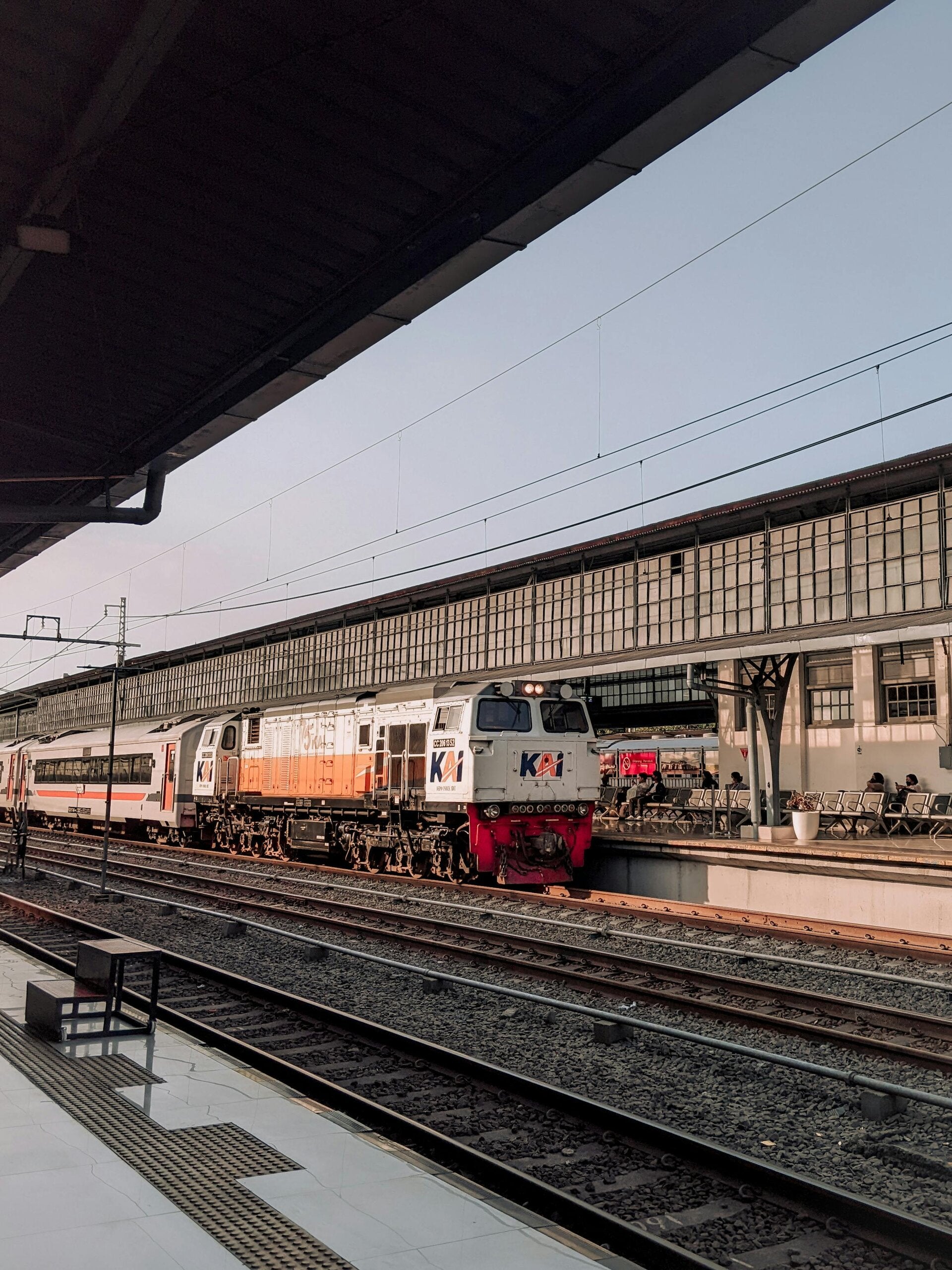
State governments form the operational backbone of infrastructure delivery across the continent. Their authority and management encompass major highways and arterial roads, extensive rail networks, public transport systems, working ports and logistics hubs, targeted regional infrastructure programs, and comprehensive planning and zoning frameworks.

Building resilient states, strong industries and connected communities
State governments play an indispensable role in delivering high-capacity infrastructure, accelerating sustainable industry development, and preparing regional communities for climatic and economic transformation. The Future Australia Climate Change, Industry and Infrastructure Portfolio sets an integrated state blueprint for generational prosperity, transparent governance, and resilient growth across all regions.
State budget allocation framework
Ensuring public funds are invested transparently and strategically to maximise community benefit, economic growth, infrastructure delivery, and environmental sustainability. Every dollar invested must demonstrate measurable outcomes, accountability, and long-term value for taxpayers.
State infrastructure investment fund
Directing capital across roads, highways, rail corridors, public transport, bridges, tunnels, essential utilities, water networks, emergency services, and digital infrastructure. Guided by core principles of safety, productivity, regional connectivity, community benefit, and long-term asset sustainability.
Climate change and environmental investment fund
Protecting communities, strengthening resilience, and reducing future disaster recovery costs. Targeted resources fund bushfire mitigation, flood prevention infrastructure, drought preparedness, water security, environmental restoration, renewable energy, and coastal protection programs.
Industry growth and development fund
Encouraging investment, increasing sovereign productivity, and supporting sustainable job creation. Backing advanced manufacturing, regional enterprise, technology commercialisation, export expansion, research partnerships, innovation precincts, and comprehensive workforce modernisation.
Regional development fund
Guaranteeing equitable access to vital infrastructure, essential services, and local economic opportunities. Delivering upgrades across regional transport, health, education, housing, telecommunications, community facilities, tourism, agricultural productivity, and disaster resilience.

Federal leadership and national integration
The federal department leads strategic direction across nationwide transport corridors, interstate rail links, and national freight corridors. It administers airport and maritime port regulation, guides national infrastructure funding priorities, and coordinates long-range digital, communications, and national utilities interfaces.
Our national strategic pillars
Building a sustainable, resilient, and prosperous Australia through integrated climate action, advanced industry capability, and world-class national infrastructure.
Climate resilience and emissions management
Protecting communities through proactive disaster preparedness, bushfire mitigation, flood defence, and coastal management, supported by responsible emissions reduction and clean energy integration.
Future industries and sovereign capability
Expanding sovereign productivity across advanced manufacturing, critical minerals processing, robotics, and clean technologies to secure domestic supply chains and global competitiveness.
Integrated transport and energy networks
Developing national freight corridors, interstate rail, modernised ports, and regional transmission links that deliver affordable energy reliability and nationwide economic connectivity.
Regional prosperity and digital connectivity
Ensuring intergenerational growth through high-speed digital communications, water security infrastructure, and community facilities across regional and rural Australia.
Future Australia investment model
A targeted capital framework allocating public funds across four strategic pillars to safeguard frontline capabilities, build resilient communities, and power long-term national prosperity.
Essential services
Guaranteed foundational funding directed to hospitals, primary healthcare, public schooling, tertiary skills, law enforcement, judicial operations, emergency response services, and compassionate aged care networks across every Australian jurisdiction.
Community development
Direct investment targeting social and affordable housing pipelines, local government partnerships, civic infrastructure renewal, town amenities, and regional connectivity corridors designed to sustain local economic vitality.
Economic growth
Strategic capital deployment into domestic manufacturing capability, national transport networks, research commercialisation, industrial supply chains, and targeted national employment and productivity programs.
Future Australia investment
Long-range nation-building allocations focused on climate adaptation, critical technologies, energy resilience, automation pipelines, and intergenerational sovereign capability initiatives.
Problems (including manufacturing, robotics, AI gaps)
-
Fragmented planning across Local–State–Federal
-
Project overruns and delays
-
Under‑investment in freight and logistics
-
Weak integration with manufacturing precincts
-
Limited use of robotics and automation in construction and maintenance
-
Patchy digital infrastructure (regional and remote)
-
No unified national infrastructure pipeline
-
Poor resilience to climate and disaster events
-
Over‑reliance on foreign technology and components
-
Slow adoption of smart infrastructure and AI systems

Basic
Policy changes (Australians Unified)
Australians Unified will introduce:
-
National Infrastructure & Sovereign Capability Act
-
Unified national pipeline for transport, energy, digital, and logistics
-
Integration with manufacturing, defence, and agriculture precincts
-
Sovereign capability requirements for key components and systems
-
-
Smart Infrastructure & Automation Program
-
Robotics and automation in construction, maintenance, and inspection
-
AI‑enabled traffic, freight, and asset management
-
-
Regional Connectivity Guarantee
-
Minimum digital and transport standards for all regions
-
Targeted investment in remote and regional corridors
-
-
Major Projects Reform
-
Transparent timelines and cost dashboards
-
Performance‑based contracting and delivery rules
-

Professional
Unified reforms
-
National Infrastructure Coordination Hub (Local–State–Federal)
-
Integrated transport–manufacturing–logistics corridors
-
Smart ports, rail, and road networks with automation and AI
-
Unified digital backbone (supporting health, education, industry, defence)
-
Climate‑resilient infrastructure standards
-
Regional capability uplift through targeted corridors and hubs
-
Sovereign technology and component pipelines for critical systems

Business
Delivery plan
Use a collapsible block:
Short‑term
-
Publish national infrastructure pipeline and coordination maps
-
Begin major projects transparency reform
-
Identify priority corridors for manufacturing and logistics
-
Start regional connectivity upgrades
Medium‑term
-
Implement Infrastructure Coordination Hub
-
Deploy smart infrastructure pilots (ports, rail, roads)
-
Integrate automation and robotics into maintenance programs
-
Align infrastructure investment with defence, industry, and agriculture precincts
Long‑term
-
Fully integrated national infrastructure system
-
Smart, AI‑enabled transport and logistics networks
-
Resilient, climate‑ready infrastructure
-
Strong sovereign capability in critical infrastructure technologies

Enterprise
Budget
Federal: National corridors + ports + airports + digital backbone + smart infrastructure + coordination hub
State: Roads, rail, public transport, regional infrastructure, logistics hubs
Local: Local roads, community facilities, basic utilities interfaces, local planning and approvals
FAQ
Why is infrastructure central to Australia’s growth? It underpins transport, logistics, energy, digital access, and national capability.
How will AU link infrastructure to manufacturing and industry? By planning corridors and hubs around precincts and sovereign capability needs.
How will AU use robotics and AI in infrastructure? Through smart infrastructure programs for construction, maintenance, and asset management.
How will AU fix regional connectivity? With a Regional Connectivity Guarantee and targeted corridor investment.