Local government educational responsibilities
Local government does not operate primary or secondary schools, but it plays a crucial role in enabling children, youth, and families across communities like Bayswater and Knox to access vital learning services, early development opportunities, and secure community pathways.

Early learning and school readiness
Not every child begins school with equal access to early learning, family support networks, or vital developmental services. Our policy amendments propose an early learning and school readiness initiative that expands local kindergarten capacity, strengthens family engagement programs, enhances transition-to-school guidance, and fosters seamless collaboration across early childhood providers.
Libraries and community learning networks
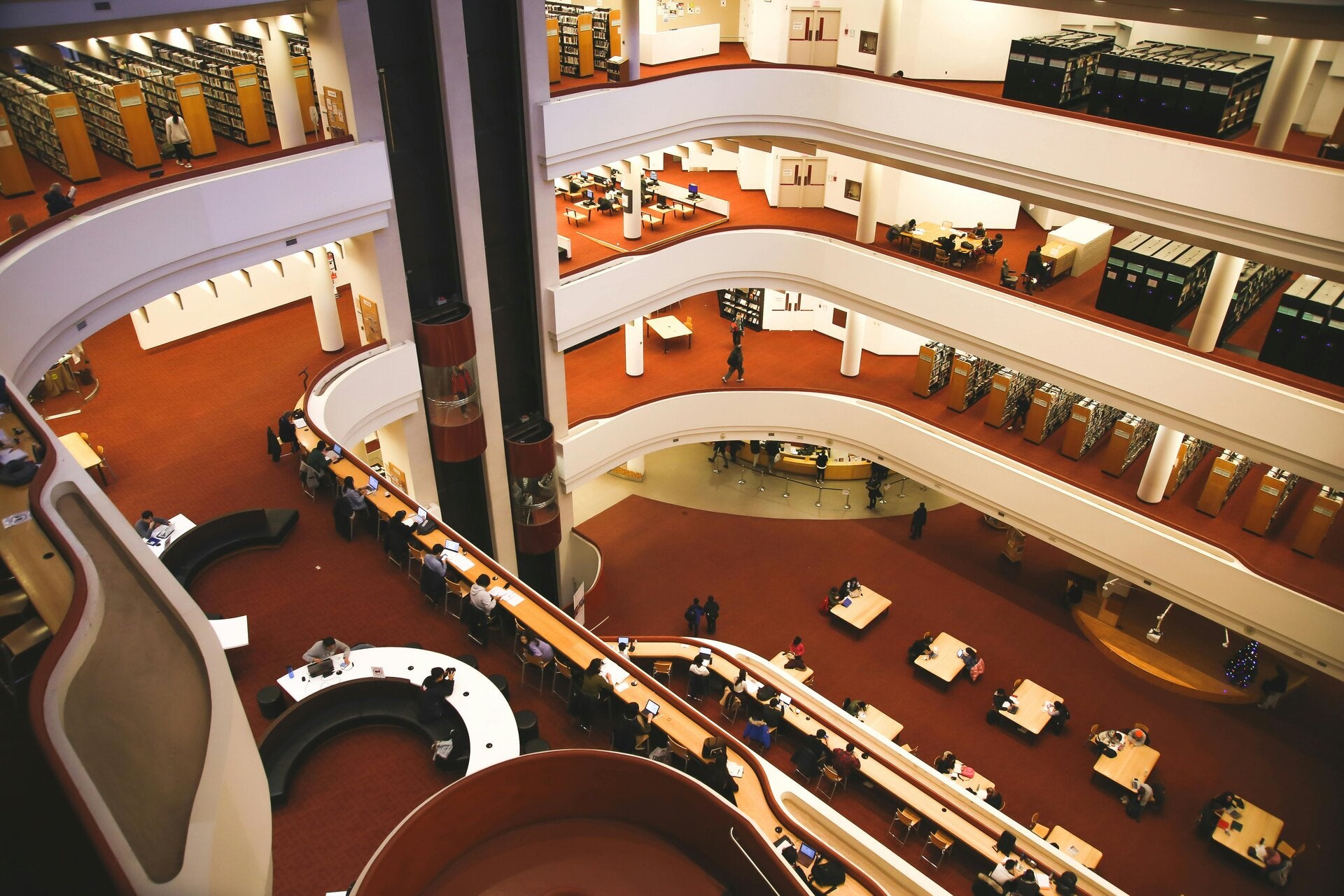
Municipal councils anchor lifelong education through dynamic local libraries and shared public facilities. By maintaining modern research spaces, free digital access, youth support networks, and community-led workshops, local government ensures continuous learning and educational equity are accessible to every resident at all life stages.

Safe school access and community infrastructure
A council's vital education mandate extends to the physical spaces surrounding learning institutions. Through school crossing supervision, footpaths, traffic calming, community sports grounds, and school-council partnerships, local councils guarantee secure access to education and well-maintained environments where young learners can thrive.
Community Outcomes
Residents should experience:
✅ Better early childhood development
✅ Improved school readiness
✅ Stronger youth engagement
✅ Modern community learning facilities
✅ Safe access to schools
✅ Increased lifelong learning opportunities
✅ Stronger employment and training pathways
✅ More connected and resilient communities
Australians Unified Local Education Objective
Create learning communities where education extends beyond the classroom and every resident has access to opportunities for growth, participation, skills development and lifelong learning.

School Readiness and Early Learning
Current Situation
Not all children begin school with equal access to early learning, family support, or developmental services.
Proposed Amendment
Early Learning & School Readiness Initiative
- Expand kindergarten and early years support.
- Strengthen family engagement programs.
- Improve transition-to-school programs.
- Increase access to developmental support services.
- Improve collaboration between early learning providers and schools.
Expected Outcome
- Greater school readiness.
- Stronger literacy and numeracy foundations.
- Improved long-term educational outcomes.

Youth Engagement and Participation
Current Situation
Many young people feel disconnected from education, employment, community activities and decision-making processes.
Proposed Amendment
Youth Engagement & Leadership Strategy
- Establish local youth hubs.
- Expand mentoring and leadership programs.
- Strengthen partnerships with schools and community groups.
- Increase youth participation in local decision-making.
- Create pathways into training, volunteering and employment.
Expected Outcome
- Increased youth participation.
- Reduced disengagement.
- Stronger community connections.
- Better employment and training pathways.

Community Learning and Library Modernisation
Current Situation
Libraries are evolving beyond book lending and increasingly serve as community learning and digital access centres.
Proposed Amendment
Community Learning Hub Program
- Modernise library services.
- Expand digital learning access.
- Provide study and co-working spaces.
- Improve technology and internet access.
- Support lifelong learning opportunities for all ages.
Expected Outcome
- Increased community learning participation.
- Improved digital literacy.
- Greater access to education and skills development.

Safe Access to Schools
Current Situation
Traffic congestion, limited crossings, and poor active transport connections can affect student safety and school access.
Proposed Amendment
Safe Routes to School Program
- Upgrade footpaths and pedestrian links.
- Improve school crossing infrastructure.
- Expand walking and cycling networks.
- Improve road safety around schools.
- Encourage active travel options.
Expected Outcome
- Safer school journeys.
- Reduced traffic congestion.
- Increased active transport participation.
- Healthier and more connected communities.
Education Beyond the Classroom
Current Situation
Learning increasingly occurs through community facilities, sporting clubs, libraries, youth services and local organisations.
Proposed Amendment
Lifelong Learning Partnership Framework
- Strengthen school-community partnerships.
- Increase access to community learning programs.
- Support local skills development initiatives.
- Improve access to educational facilities outside school hours.
- Encourage intergenerational learning opportunities.
Expected Outcome
- Increased community participation.
- Stronger lifelong learning culture.
- Greater skills development opportunities.
- Improved community resilience.
Frequently asked questions
Find answers to common questions regarding local government education responsibilities, community learning hubs, early childhood readiness, and school travel safety.