Local wellbeing portfolio
The Local Family & Community Wellbeing Network functions as the core community intelligence, engagement, and wellbeing coordination layer within local government. By monitoring everyday needs, identifying emerging challenges, and coordinating dedicated support services, we measure and elevate wellbeing outcomes across every neighbourhood.
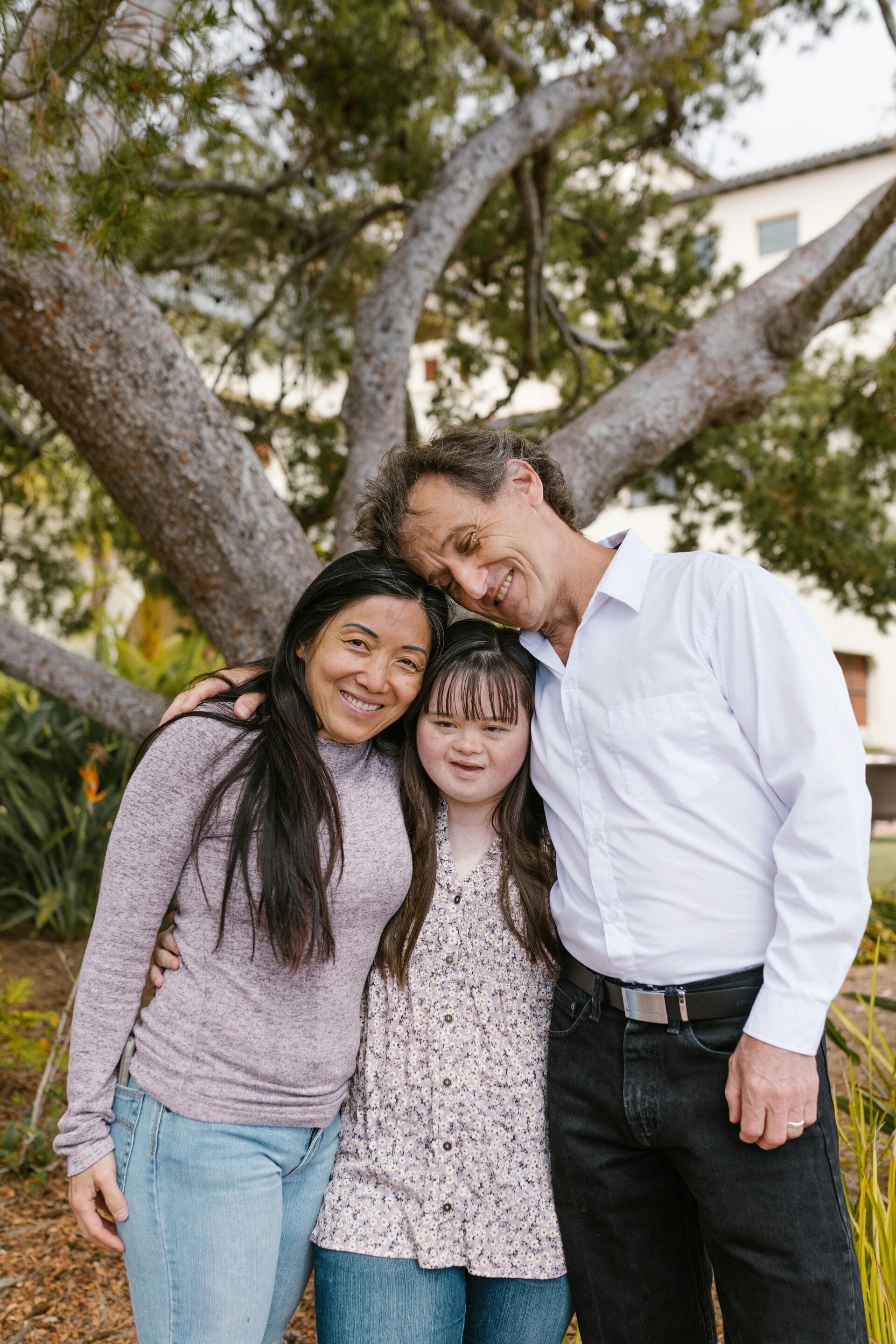
Family wellbeing and early years support
A cohesive community begins with secure, connected households. The network diligently monitors local family needs to bridge access barriers to essential family support programs, parent guidance networks, and early childhood development initiatives. By working directly alongside local organisations and carers, we nurture safe and flourishing domestic environments where children and parents thrive together.

Youth empowerment and community participation
Cultivating resilient grassroots connections requires vibrant participation across every age group. Our portfolio champions dynamic youth initiatives, educational engagement projects, and structured community volunteering. Through cultural inclusion and community events, we empower young Australians to lead civic initiatives while strengthening mutual respect and social cohesion.

Seniors wellbeing and connected communities
Honouring our seniors means safeguarding dignity, healthy ageing, and vital social connection. Through structured collaboration with community services, volunteers, and grassroots networks, we counter isolation and guarantee that experienced members of our neighbourhoods stay actively engaged in community life, shared wisdom, and ongoing civic development.
Local family and community wellbeing network
The Local Family & Community Wellbeing Network is the local government intelligence, engagement and coordination layer for families, children, young people, seniors, volunteers, community groups, local organisations and community services. It turns community data into early intervention, connected services and measurable improvements in wellbeing, inclusion, resilience and quality of life.
Australians Unified model: federal agencies such as the Australian Institute of Family Studies generate national evidence; state family and community wellbeing agencies translate it into planning and funded services; regional wellbeing hubs coordinate delivery; and local government converts this work into neighbourhood-level outcomes.

Family wellbeing
Local focus: family support, parenting support, early years development and fair access to services.
Council KPIs and indicative targets: reach at least 80% of priority families with clear service information; increase family-program participation by 10% each year; reduce identified access barriers by 15%; and report child development and family-support access trends annually.
Department and funding map: led locally by community development, maternal and child health, libraries, recreation and family services; supported by council community grants, state family-services and child-development programs, and federal family-policy funding and research frameworks.

Children and youth participation
Local focus: youth programs, education engagement, local youth initiatives, recreation, volunteering and community participation.
Council KPIs and indicative targets: increase youth participation in council programs by 10% annually; achieve 75% positive participant feedback; establish a youth advisory or engagement channel in every major precinct; and track school, service and community referrals for young people needing early support.
Department and funding map: led by youth services, community engagement, arts, sport and recreation teams, working with schools and local organisations; funded through council youth and events budgets, state youth-service programs, grants and relevant federal funding initiatives.

Seniors and social inclusion
Local focus: healthy ageing, social connection, accessibility, volunteering, inclusive local events and support for community groups.
Council KPIs and indicative targets: increase senior participation in accessible programs by 10% annually; recruit or retain volunteers equal to 5% of program participants; improve social-connection survey results year on year; and complete accessibility reviews for priority council venues and activities.
Department and funding map: led by ageing and disability services, libraries, recreation, volunteer coordination and inclusion teams; supported through council community-development funding, state ageing and disability programs, philanthropic partnerships and eligible federal community-support programs.

Resilience and outcomes
Local focus: social cohesion, emergency preparedness, recovery, mental health support, early intervention and continuous improvement.
Council KPIs and indicative targets: publish a community wellbeing dashboard each year; monitor social participation, family wellbeing, inclusion and resilience indicators quarterly; engage priority neighbourhoods in preparedness activities; and use outcome reporting to improve programs across councils.
Department and funding map: led by the Local Family & Community Wellbeing Network with emergency management, public health, communications, finance and performance teams. It draws on council operating and resilience budgets, state community wellbeing and emergency-resilience programs, and federal research, family-policy and disaster-recovery funding. By 2030, the goal is shared dashboards and resilience frameworks; by 2040, predictive planning and AI-assisted insights; by 2050, connected, prevention-first community intelligence networks.
Measuring local wellbeing outcomes
The Local Family & Community Wellbeing Network helps councils measure what matters: healthier families, stronger connections and resilient neighbourhoods—not simply attendance or activities delivered. Guided by the Australians Unified principle, measure outcomes, not attendance, it aligns council departments, shared federal and state funding, community data, Bureau of Meteorology (BOM) analysis, intervention and continuous improvement through one community wellbeing dashboard.
Community Development, Maternal & Child Health, Youth Services, Recreation & Leisure, Aged & Disability Services, Libraries & Learning, Community Safety, Planning & Place Making, Arts & Culture and Environmental Health each contribute to shared outcomes: social connection, child development, youth wellbeing, community health, healthy ageing, lifelong learning, confidence, liveability, social cohesion and healthy communities.

Family wellbeing and early years
Lead areas: Community Development and Maternal & Child Health connect families to parenting support, early childhood services and accessible local help.
2030 measures: family-program participation +20%; parenting support +25%; early childhood assessments +15%; and family-service accessibility +20% from baseline. The intended outcomes are stronger family resilience and earlier support for vulnerable families.
Shared ownership: Maternal & Child Health is jointly supported by state and council, with shared coordination across all levels of government.

Children, youth and lifelong learning
Lead areas: Youth Services and Libraries & Learning support participation, education, volunteering, employment connection and early intervention.
2030 measures: kindergarten readiness +10%; child health assessments +15%; early intervention referrals +20%; Maternal & Child Health engagement +20%; youth-program participation +25%; youth volunteering +30%; youth employment engagement +15%; and youth mental-health early intervention +20%.
These measures support improved child development, better long-term education outcomes, greater youth participation and stronger youth wellbeing. Youth services and libraries are shared responsibilities across state and council, with federal participation where programs are jointly funded.

Participation, health and inclusion
Lead areas: Recreation & Leisure, Aged & Disability Services, Arts & Culture, Planning & Place Making and Environmental Health create inclusive, active and liveable communities.
2030 measures: volunteer participation +20%; event participation +25%; group membership +20%; resident engagement +30%; recreation facility use +20%; physical activity +15%; walking and cycling +25%; sporting participation +15%; seniors-program participation +25%; social connection +20%; age-friendly projects +30%; and healthy-ageing participation +20%.
Expected outcomes include reduced isolation, improved independence, stronger social cohesion, better physical health and lower chronic-disease risk. Recreation facilities, community development and community centres are council-led; seniors programs and public-health education are shared across federal, state and council partners.
Resilience, accountability and dashboard
Lead areas: Community Safety coordinates preparedness and recovery with all council teams. By 2030, target emergency-preparedness participation +30%, volunteer emergency networks +25%, 100% community-recovery-plan coverage and a +20% community resilience score.
Annual scorecard targets: family wellbeing 80+; child development 85+; community participation 75+; recreation and health 80+; seniors wellbeing 80+; community resilience 75+; and an overall community wellbeing index of 80+.
Replace the old cycle of projects, activities and annual reports with community needs → investment → outcomes → accountability → continuous improvement. Community data, the wellbeing dashboard and BOM analysis guide interventions and monitoring. By 2035, councils should report better family support and child development, youth participation, volunteering, preventative health, recovery capability and performance-based decisions.
Family wellbeing and social resilience alignment
Australians Unified recommends a Community Wellbeing & Social Resilience Office reporting to the CEO and coordinating—rather than replacing—the council’s service-delivery departments. The office owns community intelligence, a shared wellbeing dashboard, outcome measurement, performance reporting, future-needs forecasting, cross-department coordination and council KPI accountability.
It aligns Community Development, Maternal & Child Health, Youth Services, Recreation & Leisure, Libraries & Learning, Aged & Disability Services and Emergency Management around measurable local outcomes. Funding can combine council rates revenue and community-service, recreation and community-development budgets with federal communities, social services, health-promotion and disaster-resilience grants; state wellbeing, youth, family-support, mental-health and recreation funding; and shared regional wellbeing, resilience and social-infrastructure projects.

Community development and learning
Community Development leads community engagement, social inclusion, volunteer programs, community grants and neighbourhood houses. Its future focus is community wellbeing intelligence, social-cohesion measurement, resilience planning and participation tracking, measured through a Community Participation Index.
Libraries & Learning provide learning programs, digital literacy, community spaces and lifelong learning. As community connection hubs, they track learning, participation, inclusion and digital wellbeing through a Community Learning Index.

Family wellbeing and early years
Maternal & Child Health Services deliver parenting support, child-development monitoring, maternal health and early intervention. Under the coordinated model, they add family wellbeing indicators, child-development tracking, early-intervention forecasting and family-resilience monitoring.
The primary accountability measure is the Child Development Index, supported by local insights that help identify need early and connect families with the right support.

Youth and active communities
Youth Services run youth programs, engagement, school partnerships and youth-leadership opportunities. Future measurement includes the Youth Wellbeing Index, youth participation monitoring, mental-health indicators and future-workforce engagement metrics.
Recreation & Leisure manages sporting facilities, aquatic centres, recreation programs and open-space activation. It contributes physical-activity indicators, community wellbeing outcomes, a healthy-communities dashboard and active-lifestyle measurement through the Active Living Index.

Ageing, inclusion and resilience
Aged & Disability Services support seniors programs, home support, community transport and accessibility. The future Healthy Ageing Index tracks senior participation, social isolation and independent-living outcomes.
Emergency Management & Community Safety leads preparedness, recovery planning and local resilience. Its Community Resilience Index brings together recovery capability, vulnerability assessments and community-preparedness dashboards—enabling the Wellbeing Office to coordinate action, forecast need and report results across council.
Local wellbeing portfolio questions
Understand how the Local Family & Community Wellbeing Network connects early intervention, community intelligence, and multi-tier government partnerships across local neighbourhoods.