Climate Change Victoria
Climate Change Victoria, delivered through Victoria’s Department of Energy, Environment and Climate Action (DEECA), supports leadership on climate action, emissions reduction, climate adaptation and resilience planning. Its focus is a climate-resilient, low-emissions Victoria where communities, businesses and government agencies can prepare for and respond to a changing climate.
Within the Australians Unified governance matrix, this work is led through the Prosperity pillar and strengthened by Future Australia, Unity and Sovereignty. Explore the visual themes behind net zero transition, environmental stewardship, community sustainability and future-ready Victorian communities.
State responsibility and economic resilience
The State Climate Change Authority helps Victorian communities, businesses, and essential infrastructure adapt to evolving climate risks. By safeguarding key economic sectors and supporting proactive regional planning, we work to reduce long-term costs and secure enduring community resilience across the state.
Our mission is to ensure Victoria remains competitive, productive, and future-ready. Through strategic investments in climate-resilient infrastructure, low-emission industry transitions, and transparent regional support systems, we turn climate challenges into sustainable economic opportunities.
Victoria’s climate resilience pathway
A four-part view of what the State Climate Change Authority does today, the climate risks Victoria must address, the likely direction without reform, and the Australians Unified plan for proactive climate resilience, stronger regional preparedness and long-term economic security.

What we do today
The current role combines climate adaptation planning, climate risk assessments, state emissions reduction programs, community resilience programs, climate policy implementation, climate science and modelling, hazard preparedness coordination, industry climate transition support, infrastructure resilience planning, and climate reporting and monitoring.
Real-life example: A council, farmer or business uses climate forecasts and adaptation plans to prepare for droughts, floods and extreme weather.

What needs improving
Climate planning remains fragmented, state resilience programs are inconsistent, adaptation implementation is slow, and climate data gaps persist. Planning is not always integrated with climate risk, while vulnerable infrastructure, uneven community preparedness and growing pressure on regional communities increase exposure.
Community impact: Higher insurance costs, more infrastructure damage, greater business disruption, increased pressure on emergency services and reduced economic resilience. Climate risks are now economic risks for households, businesses, infrastructure and government budgets.
Real-life example: A flood that better planning could have mitigated may cost millions in recovery and disrupt local businesses for months.

Direction without reform
By 2037: Climate impacts and disaster recovery costs continue to rise. Adaptation remains inconsistent, community preparedness varies, infrastructure risks grow and regional vulnerability increases.
Prosperity score: 130 / 250
Without major reform, governments spend more responding to climate impacts than preventing them. More frequent floods, fires and heatwaves increase costs for households, businesses and government.

Australians Unified plan
Our reforms establish a State Climate Intelligence Platform, Climate Adaptation Authority, State Resilience Framework, Community Climate Resilience Grants, Climate Risk Planning Standards, Infrastructure Resilience Program, State Hazard Forecasting Network, Climate Data Integration Platform, Regional Climate Adaptation Hubs and a State Climate Dashboard.
The state shifts from reactive disaster recovery to proactive climate resilience and long-term preparedness.
Real-life example: A regional town receives early climate risk information, adapts infrastructure and avoids millions in future damage costs.
Explore Victoria’s climate action priorities
A visual collection of the places, people and practical priorities shaping climate science, emissions reduction, adaptation planning and resilience across Victoria.
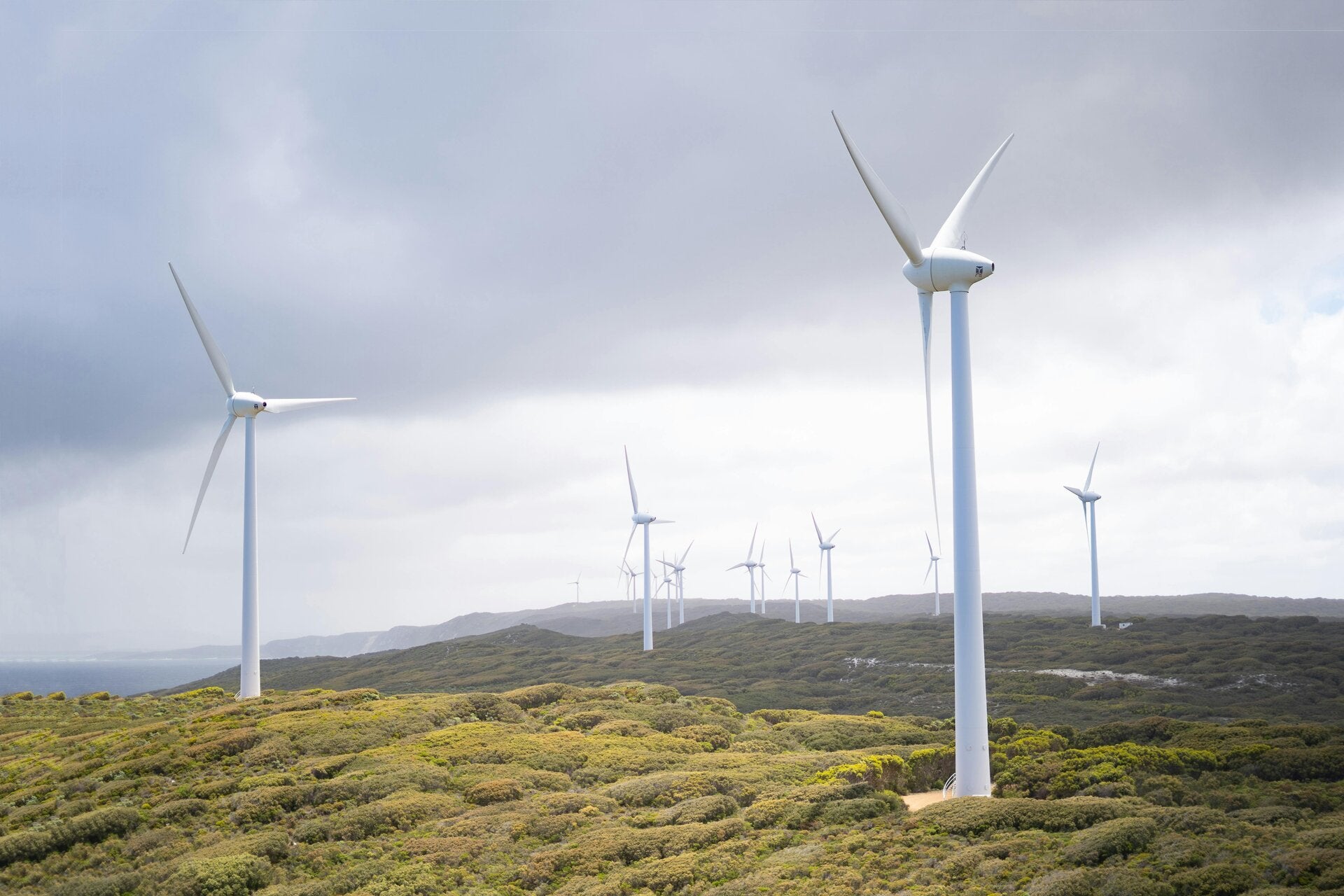


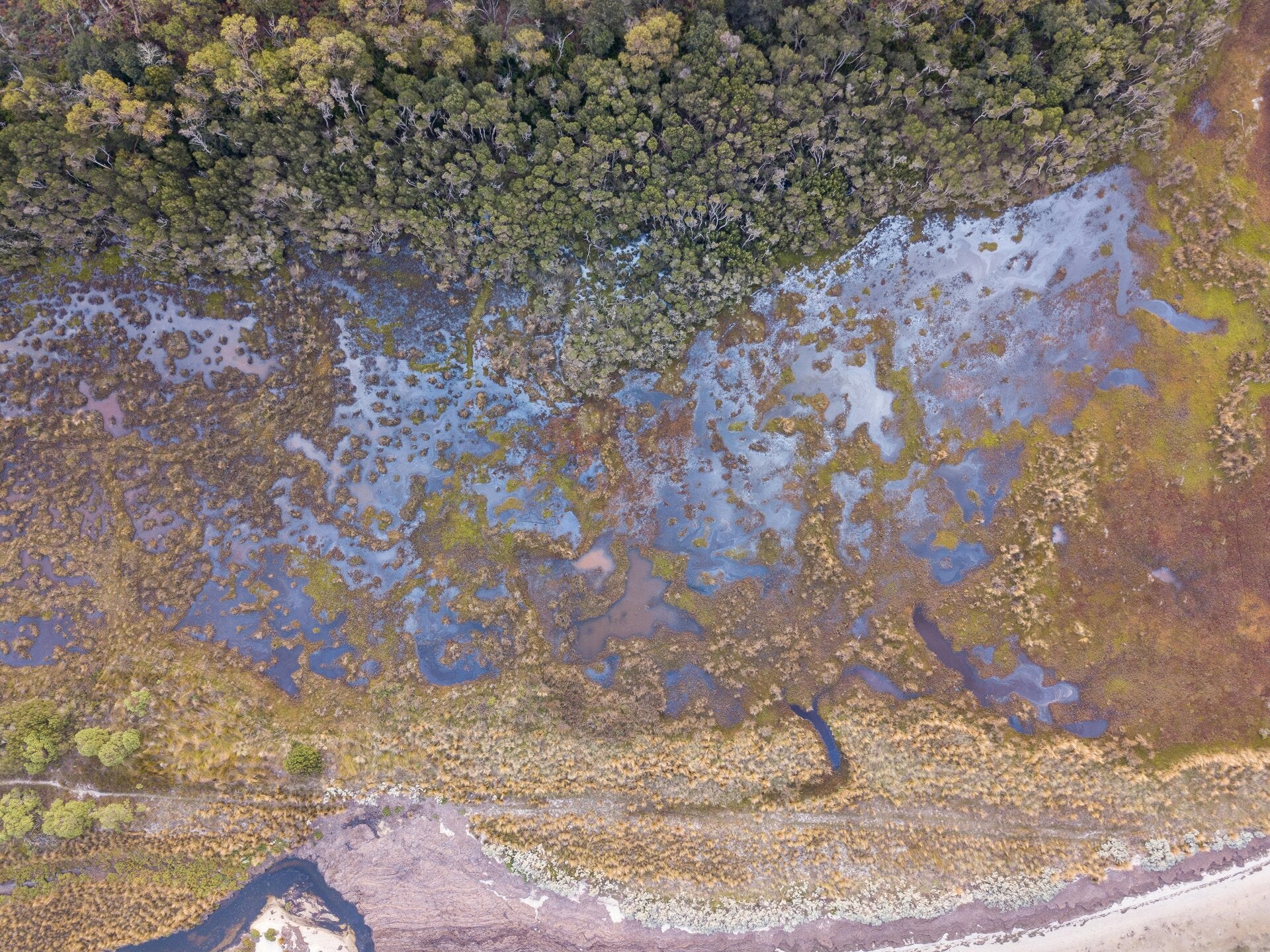



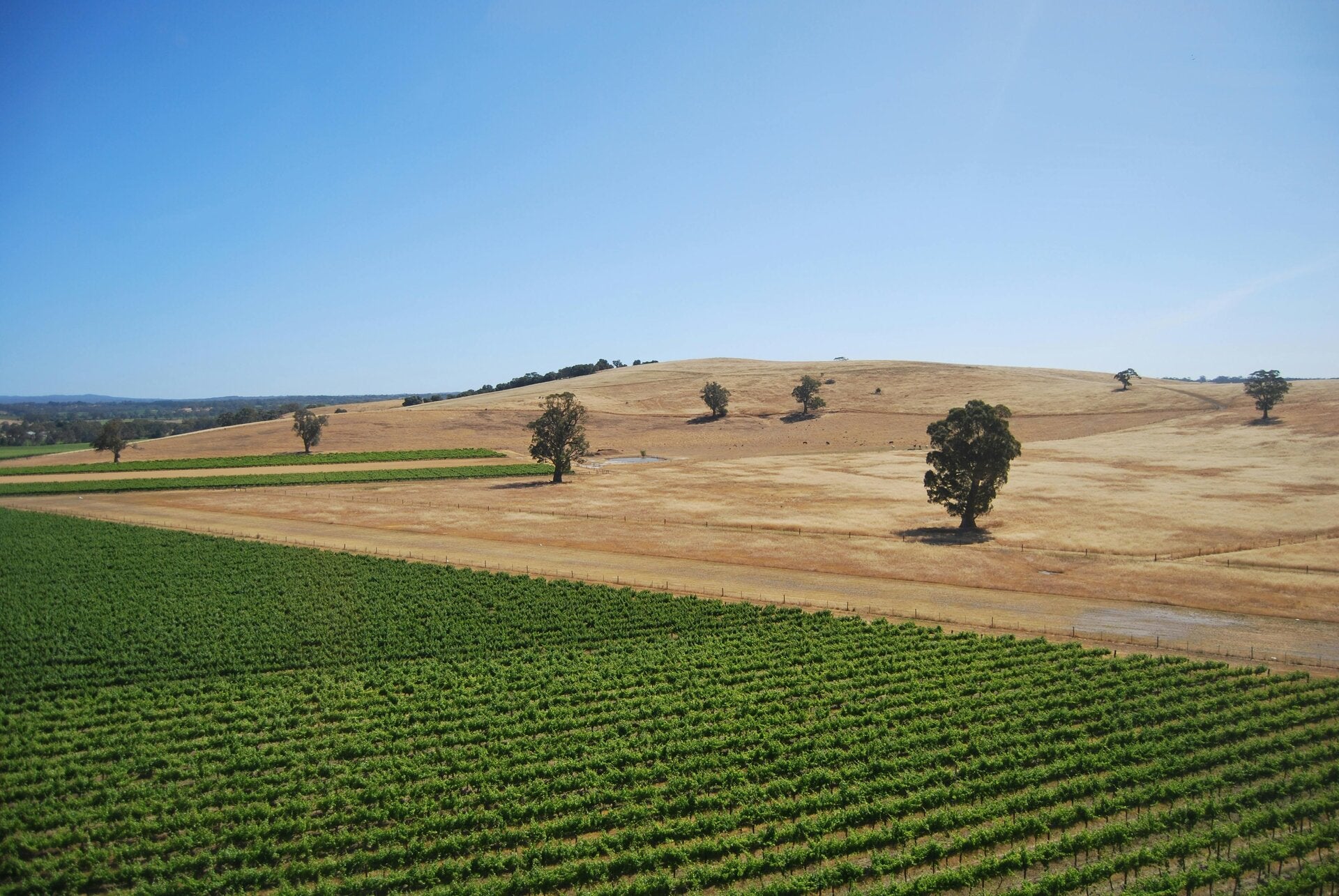
Victoria’s climate action priorities
Explore four connected priorities for a climate-resilient, low-emissions Victoria. Australians Unified connects practical state action on emissions, clean energy, nature and community preparedness through the Prosperity, Future Australia, Unity and Sovereignty pillars.
Climate Change Victoria: priorities and action
Climate Change Victoria develops policy, programs and partnerships to help Victoria respond to climate-related risks and opportunities. This four-part overview brings together its role, objectives, challenges, current initiatives and funding connections for a more resilient, sustainable and low-emissions state.

Role and responsibilities
Climate Change Victoria supports government decision-making on emissions reduction and climate action, coordinates net zero transition pathways that support economic growth, and assesses risks to communities, infrastructure and industries. It also leads climate adaptation and resilience planning, and collaborates with universities and research organisations to strengthen climate knowledge.

Objectives for Victoria
Its objectives are to strengthen climate adaptation, support emissions reduction, improve resilience planning and increase climate awareness. The work promotes sustainable communities, stronger environmental stewardship and improved climate intelligence systems so people, places and services can prepare for a changing climate.

Risks requiring action
Victoria faces growing pressure from extreme weather events, heatwave impacts, bushfire and flood risks, and vulnerable infrastructure. Population growth adds demand to essential systems, while communities need stronger local capability, information and long-term planning to adapt confidently to climate impacts.

Programs and partnerships
Current work includes climate adaptation programs, emissions reduction initiatives, community resilience planning, climate risk assessments, environmental restoration, sustainability education and climate science partnerships. Funding can combine Victorian Government support for resilience, adaptation and sustainability projects; Commonwealth climate and resilience programs; university and research institution partnerships; and local government, community and industry climate action initiatives.

Emissions reduction
Support a fair, accountable pathway to lower emissions across energy, transport, industry, homes and agriculture—while protecting jobs, affordability and regional opportunity.

Clean energy transition
Build reliable renewable energy, modern grids, storage and efficient homes so Victorian households, businesses and communities can participate in the net zero transition.

Nature and water resilience
Protect biodiversity, waterways, coasts and productive landscapes through restoration, sustainable land management and evidence-led environmental stewardship.

Prepared communities
Strengthen local planning for heat, fire, flood and drought, ensuring Victorian communities have the information, infrastructure and partnerships needed to adapt.
Climate resilience funding framework
Australians Unified sets out a practical Victorian investment, performance and return framework for the State Climate Change Authority. It aligns funding with climate intelligence, resilient infrastructure, regional adaptation and community preparedness—so Victoria prevents avoidable damage, lowers future recovery costs and builds long-term prosperity.

Funding priorities
Current priorities
- Adaptation planning
- Resilience programs
- Disaster preparedness
- Climate modelling
- Community grants
- Hazard intelligence
Australians Unified investment priorities
- Climate intelligence systems
- Infrastructure resilience
- Community preparedness
- Hazard forecasting
- Regional adaptation hubs
- Climate risk integration
State responsibility: Climate investment reduces future costs by preventing damage before it occurs.

KPI framework
2037 performance targets
- Climate resilience: 130 to 245
- Community preparedness: 125 to 240
- Hazard forecasting capability: 120 to 245
- Infrastructure resilience: 130 to 245
- Regional adaptation readiness: 125 to 240
Expected outcomes
- Climate resilience +88%: communities better able to withstand climate impacts.
- Preparedness +92%: more residents receive timely risk warnings.
- Forecasting capability +104%: better planning before disasters occur.
- Infrastructure resilience +88%: fewer service interruptions after major weather events.
- Regional adaptation +92%: stronger resilience in regional communities.
State responsibility: Success is measured by reducing risk, lowering costs and improving preparedness.

Return on investment
Benefit areas
- Reduced disaster recovery costs
- Lower infrastructure repair costs
- Stronger regional economies
- Improved insurance outcomes
- Better government planning
- Community resilience benefits
What additional funding delivers
- +50% climate forecasting capability: earlier flood, heatwave and drought warnings.
- +40% community resilience projects: stronger local preparedness and emergency planning.
- +60% climate intelligence coverage: more accurate data for councils and communities.
- +35% infrastructure resilience: roads, bridges and assets designed for future risks.
- +50% regional adaptation support: communities better prepared for climate change.
Return summary: Every dollar invested in climate resilience reduces future emergency, recovery and infrastructure costs.

2037 gold standard
Current direction — 130 / 250
- More extreme weather and higher recovery costs
- Infrastructure vulnerability remains
- Adaptation remains inconsistent
Australians Unified gold standard — 245 / 250
- State Climate Dashboard operational
- Climate intelligence integrated across government
- Strong regional adaptation capability
- Resilient infrastructure networks and prepared communities
- Reduced disaster costs and whole-of-state preparedness
- Improvement: +115 points and +88% performance
By 2037: The State Climate Change Authority becomes Victoria’s Climate Resilience and Adaptation Authority—reducing climate risks, protecting infrastructure, strengthening communities and supporting long-term economic prosperity. A family receives earlier warnings, lives in a cooler, more resilient community and experiences fewer disruptions during extreme weather.

Help shape a resilient Victoria
Join Australians Unified in building common ground around climate resilience, net zero transition and sustainable future communities. Get in touch to share your ideas, local experience or interest in stronger climate action across Victoria.
Frequently asked questions about Victoria's climate action
Find clear answers regarding climate policy, emissions reduction pathways, regional resilience programs, and how Australians Unified coordinates state initiatives.
Meet our team
Behind every service we provide is a dedicated team of professionals, each bringing their unique expertise and enthusiasm to our business.

John Smith
Founder

Emma Thompson
Co-founder

Benjamin Wood
Design Director

Oliver Hartman
Customer Service Manager