Victorian prosperity portfolio
Australians Unified’s Prosperity Pillar brings Victorians together around practical economic renewal: stronger jobs, productive infrastructure, confident investment and thriving communities. Explore a community-led vision that connects government investment, private enterprise and local capability to build resilient regional economies and better living standards through to Victoria 2055.
Prosperity priorities for Victoria
Our portfolio provides a clear framework for citizens, businesses and communities to support and discuss the economic foundations Victoria needs. It links federal, state and local responsibilities, so ideas can be considered at the level where they can make the greatest difference.

Treasury and economic strategy
Support responsible state budget management, economic strategy, revenue collection, fiscal sustainability, economic forecasting and financial resilience. This area connects the federal Treasury, the Victorian Department of Treasury and Finance, and local finance and economic sustainability.

Jobs, industry and capability
Champion workforce capability, productive industry and investment that create secure opportunities for Victorians. A stronger skills base helps businesses grow, supports innovation and gives communities a practical stake in Victoria’s long-term prosperity.

Regions, infrastructure and investment
Advocate for strategic infrastructure and place-based development that connect communities, improve access to opportunity and strengthen regional economies. Sustainable investment can help Victoria prepare for changing conditions and shared growth.
Prosperity works best when Victoria works together
Victoria manages one of Australia’s largest state economies, with major responsibilities for budget planning and economic forecasting. Australians Unified invites residents, local organisations and enterprises to contribute constructive perspectives on the choices that shape financial resilience, opportunity and prosperity across metropolitan and regional Victoria.

A practical framework for long-term growth
The Victorian Prosperity Portfolio is a community movement framework, not a government department or financial adviser. It helps make economic priorities easier to understand: how public finance, investment, business activity, infrastructure and workforce development can work together for a more resilient Victoria to 2055.
By bringing common-ground ideas into view, we aim to support informed participation and a stronger connection between city and regional communities.
Take part in Victoria’s prosperity conversation
Join Australians Unified as a free member to support the Prosperity Pillar, follow portfolio developments and add your voice to constructive reform discussions. Together, Victorians can advance practical solutions that strengthen jobs, productivity, investment and living standards.


💵 TREASURY & ECONOMIC STRATEGY
Federal
Treasury
State
Department of Treasury & Finance Victoria
Local
Finance & Economic Sustainability
Focus Areas
- State Budget Management
- Economic Strategy
- Revenue Collection
- Fiscal Sustainability
- Economic Forecasting
- Financial Resilience
📊 Current Position
Victoria manages one of Australia's largest state economies with responsibility for budget planning, economic forecasting and long-term financial management.
🎯 Strategic Priorities
- Budget Sustainability
- Economic Growth
- Revenue Stability
- Productivity Improvements
🚀 Modernisation Opportunities
- Real-Time Financial Reporting
- AI Forecasting
- Digital Budget Analytics
- Integrated Financial Dashboards
✅ SWOT Analysis
Strengths
- Strong Economic Base
- Established Financial Governance
- Experienced Treasury Capability
- Diverse Revenue Sources
Weaknesses
- Debt Pressures
- Rising Service Costs
- Infrastructure Funding Demands
- Revenue Volatility
Threats
- Global Economic Downturns
- Inflation
- Population Growth Costs
- Interest Rate Pressures
Opportunities
- Productivity Reforms
- Financial Innovation
- Economic Diversification
- Digital Treasury Systems
🇦🇺 AU Value Score
Financial Impact ★★★★★
Economic Benefit ★★★★★
Community Benefit ★★★★★
Long-Term Value ★★★★★

💰FINANCE & PUBLIC INVESTMENT
Federal
Department of Finance
State
Department of Treasury & Finance Victoria
Local
Council Finance & Asset Management
Focus Areas
- Public Investment
- Procurement
- Asset Management
- Infrastructure Funding
- Government Assets
- Financial Oversight
📊 Current Position
Victoria manages significant public assets, procurement programs and infrastructure investments that support community services and economic growth.
🎯 Strategic Priorities
- Better Asset Performance
- Procurement Excellence
- Investment Optimisation
- Financial Transparency
🚀 Modernisation Opportunities
Financial Visibility
Real-time visibility across budgets, procurement, contracts and investments supports better decision-making and financial performance.
Procurement Excellence
Smarter procurement systems improve value for money and strengthen contract outcomes.
Asset Performance
Long-term planning and lifecycle management improve asset utilisation and reduce costs.
Digital Finance Capability
Modern digital systems improve reporting, forecasting and operational efficiency.
✅ SWOT Analysis
Strengths
- Large Asset Portfolio
- Established Procurement Systems
- Investment Capability
- Strong Financial Controls
Weaknesses
- Complex Administration
- Legacy Systems
- Procurement Delays
- Asset Maintenance Costs
Threats
- Cost Inflation
- Project Overruns
- Economic Volatility
- Funding Constraints
Opportunities
- AI Procurement
- Asset Optimisation
- Digital Finance Systems
- Shared Services
🇦🇺 AU Value Score
Cost Savings ★★★★★
Economic Impact ★★★★★
Community Benefit ★★★★★
Long-Term Value ★★★★★

🚆 TRANSPORT & MOBILITY
Federal
Infrastructure, Transport & Regional Development
State
Department of Transport & Planning Victoria
Local
Transport & Mobility Networks
Focus Areas
- Public Transport
- Roads
- Freight
- Logistics
- Regional Connectivity
- Mobility Planning
📊 Current Position
Transport infrastructure supports economic activity, workforce mobility and regional connectivity throughout Victoria.
🎯 Strategic Priorities
- Network Reliability
- Freight Efficiency
- Public Transport Growth
- Congestion Reduction
🚀 Modernisation Opportunities
- Smart Transport Systems
- Digital Traffic Management
- Mobility Platforms
- Future Transport Technologies
✅ SWOT Analysis
Strengths
- Extensive Transport Network
- Strong Public Transport System
- Freight Capability
- Regional Connectivity
Weaknesses
- Congestion
- Maintenance Backlogs
- Capacity Constraints
- Growing Demand
Threats
- Population Growth
- Climate Events
- Asset Failure
- Cost Escalation
Opportunities
- Rail Expansion
- Smart Mobility
- Network Optimisation
- Future Transport Innovation
🇦🇺 AU Value Score
Productivity Impact ★★★★★
Economic Benefit ★★★★★
Community Benefit ★★★★★
Long-Term Value ★★★★★

🏭 INDUSTRY & MANUFACTURING
Federal
Industry, Science & Resources
State
Industry Development Victoria
Local
Business Innovation & Manufacturing Support
Focus Areas
- Manufacturing
- Industry Development
- Exports
- Innovation
- Supply Chains
- Investment Attraction
📊 Current Position
Victoria remains Australia's manufacturing leader with strengths in advanced manufacturing, food production, health technology and defence industries.
🎯 Strategic Priorities
- Industry Growth
- Export Expansion
- Technology Adoption
- Sovereign Capability
🚀 Modernisation Opportunities
- Advanced Manufacturing
- Automation
- Digital Industry
- Industry 4.0 Programs
✅ SWOT Analysis
Strengths
- Manufacturing Capability
- Skilled Workforce
- Export Potential
- Innovation Base
Weaknesses
- High Operating Costs
- Skills Shortages
- Capital Requirements
- Global Competition
Threats
- Supply Chain Disruptions
- Energy Costs
- International Competition
- Workforce Challenges
Opportunities
- Defence Industry
- Renewable Manufacturing
- Export Growth
- Advanced Technologies
🇦🇺 AU Value Score
Industry Impact ★★★★★
Economic Growth ★★★★★
Employment Benefit ★★★★★
Long-Term Value ★★★★★
👷 EMPLOYMENT & WORKFORCE
Federal
Employment & Workplace Relations
State
Jobs, Skills & Workforce Development
Local
Workforce & Employment Partnerships
Focus Areas
- Employment Growth
- Skills Development
- Apprenticeships
- Workforce Planning
- Training
- Industry Capability
📊 Current Position
Strong workforce participation and skills development remain critical to supporting economic growth and productivity.
🎯 Strategic Priorities
- Workforce Capability
- Skills Alignment
- Employment Participation
- Future Skills Readiness
🚀 Modernisation Opportunities
- Workforce Analytics
- Skills Forecasting
- Training Integration
- Digital Learning Platforms
✅ SWOT Analysis
Strengths
- Education Systems
- Training Networks
- Workforce Participation
- Skills Programs
Weaknesses
- Skills Gaps
- Labour Shortages
- Regional Workforce Pressures
- Participation Barriers
Threats
- Automation
- Ageing Workforce
- Global Talent Competition
- Economic Uncertainty
Opportunities
- Future Skills
- Lifelong Learning
- Skilled Migration
- Workforce Innovation
🇦🇺 AU Value Score
Employment Impact ★★★★★
Community Benefit ★★★★★
Productivity Impact ★★★★★
Long-Term Value ★★★★★

🌏 TRADE & INVESTMENT
Federal
Department of Foreign Affairs & Trade
State
Global Victoria
Local
Economic Development & Global Partnerships
Focus Areas
- Trade
- Exports
- Foreign Investment
- Market Access
- International Partnerships
- Economic Development
📊 Current Position
Victoria continues to attract investment and expand international trade through exports, education, tourism and business partnerships.
🎯 Strategic Priorities
- Export Growth
- Investment Attraction
- Global Partnerships
- Market Diversification
🚀 Modernisation Opportunities
- Digital Trade Platforms
- Investment Promotion
- Trade Analytics
- Export Capability Development
✅ SWOT Analysis
Strengths
- International Reputation
- Export Industries
- Education Exports
- Investment Capability
Weaknesses
- Market Concentration
- Export Dependence
- Regulatory Complexity
- Limited Diversification
Threats
- Trade Disputes
- Global Recessions
- Geopolitical Instability
- Supply Chain Risks
Opportunities
- New Export Markets
- Foreign Investment
- International Partnerships
- Emerging Industries
🇦🇺 AU Value Score
Economic Growth ★★★★★
Investment Impact ★★★★★
Regional Benefit ★★★★☆
Long-Term Value ★★★★★

🏢 SMALL BUSINESS & ENTERPRISE
Federal
Australian Small Business & Family Enterprise Ombudsman
State
Victorian Small Business Commission
Local
Business Growth & Enterprise Development
Focus Areas
- Small Business Growth
- Entrepreneurship
- Startups & Innovation
- Retail & Commercial Activity
- Business Support Services
- Investment Readiness
📊 Current Position
Victoria's small business sector is a major contributor to employment, community prosperity and economic activity. Small and family businesses support local jobs, innovation and investment across metropolitan and regional communities.
🎯 Strategic Priorities
Support business growth, reduce barriers to entry, improve resilience and strengthen Victoria's entrepreneurial economy.
🚀 Modernisation Opportunities
Business Support
Improve access to business advisory services, mentoring programs and startup support networks.
Digital Capability
Increase adoption of e-commerce, digital operations and AI-assisted business systems.
Investment & Growth
Improve access to finance, grants and investment opportunities to support business expansion.
Regulatory Simplicity
Reduce complexity and improve interactions between businesses and government.
✅ SWOT Analysis
Strengths
- Strong Small Business Culture
- Entrepreneurial Capability
- Diverse Industry Base
- Community Employment Generation
Weaknesses
- Limited Capital Access
- Skills Shortages
- High Compliance Burden
- Business Failure Risk
Threats
- Economic Downturns
- Rising Operating Costs
- Labour Market Pressures
- Increased Competition
Opportunities
- Digital Transformation
- Startup Growth
- Export Expansion
- Local Economic Development
💰 Efficiency Potential
- Foundation: 2%
- Integration: 5%
- Transformation: 10%
📈 Return Profile
- Foundation: 2:1
- Integration: 4:1
- Transformation: 8:1
🎯 Expected Outcomes
- More Business Startups
- Stronger Local Economies
- Increased Employment
- Greater Business Resilience
- Improved Productivity
🇦🇺 AU Value Score
Business Impact ★★★★★
Employment Benefit ★★★★★
Community Benefit ★★★★★
Long-Term Value ★★★★★

🏞 REGIONAL DEVELOPMENT
📊 Current Position
- 🏛 Victorian Budget 2024-25 delivered over $2 billion in regional and rural infrastructure, services and projects. [2024.budge...vic.gov.au]
- 🌏 Regional Victoria has created more than 170,000 jobs over the past nine years. [2024.budge...vic.gov.au]
- 🚆 Ongoing investment in transport, healthcare, education and regional development infrastructure. [2024.budge...vic.gov.au]
🎯 Strategic Priorities
Regional development strengthens local economies, attracts investment and improves access to jobs, services and infrastructure across Victoria.
🚀 Modernisation Opportunities
- Regional Infrastructure Investment
- Workforce Attraction Programs
- Digital Connectivity Expansion
- Industry Diversification
- Renewable Energy Development
- Regional Innovation Hubs
✅ SWOT Analysis
Strengths
- Strong Regional Communities
- Natural Resource Base
- Tourism Assets
- Growth Potential
Weaknesses
- Workforce Shortages
- Infrastructure Gaps
- Distance To Markets
- Population Imbalances
Threats
- Climate Impacts
- Population Ageing
- Investment Competition
- Economic Concentration
Opportunities
- Regional Migration
- Agribusiness Growth
- Renewable Energy Projects
- Infrastructure Expansion
💰 Efficiency Potential
- Foundation: 2%
- Integration: 5%
- Transformation: 10%
📈 Return Profile
- Foundation: 2:1
- Integration: 4:1
- Transformation: 8:1
🎯 Expected Outcomes
- Increased Regional Employment
- More Infrastructure Investment
- Stronger Communities
- Higher Regional Productivity
- Improved Economic Resilience
🇦🇺 AU Value Score
Regional Impact ★★★★★
Community Benefit ★★★★★
Economic Growth ★★★★★
Long-Term Value ★★★★★

⚡ ENERGY & RESOURCES
Federal
Department of Climate Change, Energy, Environment & Water
State
Energy Victoria
Local
Energy & Resource Resilience
Focus Areas
- Energy Security
- Renewable Energy
- Resource Development
- Grid Reliability
- Energy Affordability
- Sustainability
📊 Current Position
Victoria's energy sector is transitioning toward renewable generation while maintaining reliability, affordability and energy security for households and businesses.
🎯 Strategic Priorities
Strengthen energy security, support investment and accelerate economic opportunities arising from the energy transition.
🚀 Modernisation Opportunities
Renewable Investment
Expand renewable generation, storage and transmission infrastructure.
Energy Reliability
Improve network resilience and long-term energy security.
Industry Growth
Support renewable manufacturing, hydrogen and emerging energy industries.
Resource Management
Improve long-term resource planning and environmental sustainability.
✅ SWOT Analysis
Strengths
- Renewable Energy Potential
- Skilled Workforce
- Established Energy Networks
- Strong Resource Base
Weaknesses
- Transition Costs
- Infrastructure Requirements
- Regulatory Complexity
- Network Constraints
Threats
- Energy Price Volatility
- Supply Disruptions
- Climate Events
- Global Competition
Opportunities
- Renewable Energy Leadership
- Hydrogen Industry
- Energy Exports
- Green Manufacturing
💰 Efficiency Potential
- Foundation: 2%
- Integration: 5%
- Transformation: 10%
📈 Return Profile
- Foundation: 2:1
- Integration: 4:1
- Transformation: 8:1
🎯 Expected Outcomes
- Improved Energy Security
- Lower Long-Term Costs
- Increased Investment
- Industry Growth
- Greater Sustainability
🇦🇺 AU Value Score
Economic Impact ★★★★★
Investment Benefit ★★★★★
Community Benefit ★★★★☆
Long-Term Value ★★★★★
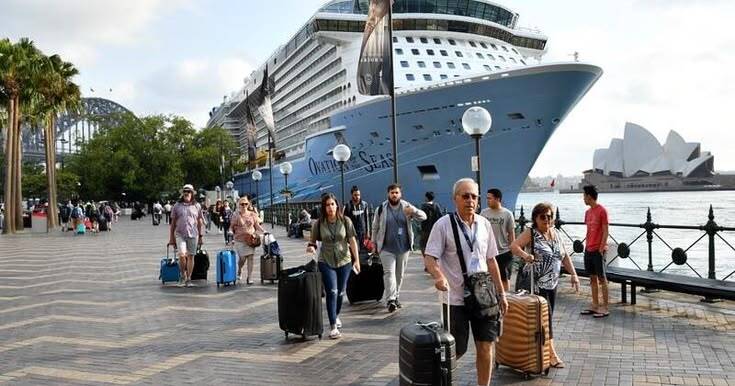
✈ TOURISM & VISITOR ECONOMY
Federal
Austrade Tourism
State
Visit Victoria
Local
Visitor Economy & Destination Development
Focus Areas
- Tourism
- Events
- Hospitality
- Destination Development
- Regional Tourism
- Visitor Experience
📊 Current Position
Victoria's tourism industry supports thousands of businesses and jobs while contributing significantly to regional and metropolitan economies.
🎯 Strategic Priorities
Increase visitor spending, strengthen destinations and support year-round tourism activity.
🚀 Modernisation Opportunities
Destination Development
Improve tourism experiences, infrastructure and visitor services.
Events & Experiences
Expand major events, cultural tourism and regional attractions.
Digital Marketing
Strengthen destination promotion and visitor engagement.
Industry Capability
Support workforce development and business growth.
✅ SWOT Analysis
Strengths
- Global Reputation
- Strong Events Calendar
- Natural Attractions
- Diverse Visitor Experiences
Weaknesses
- Seasonal Fluctuations
- Workforce Shortages
- Infrastructure Gaps
- Market Dependence
Threats
- International Competition
- Global Economic Conditions
- Climate Events
- Travel Disruptions
Opportunities
- Regional Tourism Growth
- International Markets
- Eco-Tourism
- Premium Experiences
💰 Efficiency Potential
- Foundation: 2%
- Integration: 5%
- Transformation: 10%
📈 Return Profile
- Foundation: 2:1
- Integration: 4:1
- Transformation: 8:1
🎯 Expected Outcomes
- Increased Visitor Spending
- More Jobs
- Regional Economic Growth
- Stronger Tourism Industry
🇦🇺 AU Value Score
Tourism Impact ★★★★★
Regional Benefit ★★★★★
Economic Growth ★★★★★
Long-Term Value ★★★★★

🏗 INFRASTRUCTURE & MAJOR PROJECTS
Federal
Infrastructure Australia
State
Major Transport Infrastructure Authority
Local
Community Infrastructure & Asset Planning
Focus Areas
- Major Projects
- Transport Infrastructure
- Community Assets
- Utilities
- Capital Works
- Strategic Planning
📊 Current Position
Victoria continues to invest in transport, utilities and community infrastructure to support population growth, productivity and economic development.
🎯 Strategic Priorities
Deliver high-value infrastructure projects that improve mobility, productivity and community outcomes.
🚀 Modernisation Opportunities
Project Delivery
Improve planning, procurement and project management capability.
Asset Optimisation
Improve lifecycle management and long-term asset performance.
Digital Infrastructure
Expand smart infrastructure and digital integration.
Community Investment
Align projects with economic growth and community priorities.
✅ SWOT Analysis
Strengths
- Strong Infrastructure Pipeline
- Economic Multiplier Effects
- Established Delivery Capability
- Community Asset Base
Weaknesses
- High Capital Costs
- Delivery Complexity
- Maintenance Backlogs
- Funding Constraints
Threats
- Cost Escalation
- Project Delays
- Population Growth Pressures
- Climate Risks
Opportunities
- Future Mobility
- Smart Infrastructure
- Regional Connectivity
- Productivity Growth
💰 Efficiency Potential
- Foundation: 2%
- Integration: 5%
- Transformation: 10%
📈 Return Profile
- Foundation: 2:1
- Integration: 4:1
- Transformation: 8:1
🎯 Expected Outcomes
- Better Connectivity
- Increased Productivity
- Improved Community Assets
- Stronger Economic Growth
🇦🇺 AU Value Score
Infrastructure Impact ★★★★★
Economic Benefit ★★★★★
Community Benefit ★★★★★
Long-Term Value ★★★★★
National prosperity portfolio: 2037 state funding framework
A breakdown of the $150 billion annual investment model uniting federal, state, regional, and local economic development systems to drive long-term productivity, manufacturing, and job creation across Australia.
| Tier and authority allocation | Annual funding |
|---|---|
| Federal prosperity authority (national infrastructure, trade, energy & productivity) | $60 billion |
| Combined state prosperity authorities (state-level delivery across all 8 jurisdictions) | $60 billion |
| Regional prosperity networks (manufacturing hubs, agribusiness, housing & freight) | $20 billion |
| Local prosperity networks (councils, chambers of commerce & enterprise hubs) | $10 billion |
| Total national prosperity portfolio | $150 billion |
| State prosperity authority breakdown | Annual allocation |
|---|---|
| New South Wales (Western Sydney corridor, defence, advanced manufacturing & ports) | $15 billion |
| Victoria (advanced manufacturing, medtech, aerospace & freight corridors) | $13 billion |
| Queensland (critical minerals, energy infrastructure, defence & agriculture) | $11 billion |
| Western Australia (critical minerals processing, hydrogen, maritime & Pilbara) | $10 billion |
| South Australia (AUKUS shipbuilding, defence manufacturing & space industry) | $5 billion |
| Tasmania (marine industries, Antarctic gateway & renewable power) | $2 billion |
| Northern Territory (gateway logistics, Indigenous enterprise & energy) | $2 billion |
| Australian Capital Territory (cyber precincts, space research & public innovation) | $2 billion |
| Total state-level investment envelope | $60 billion |
| 2037 Projected outcomes & benchmarks | AU reform model |
|---|---|
| National state prosperity index rating | 240–250 / 250 |
| Victoria manufacturing growth target | +60% |
| Victoria innovation and commercialisation growth target | +70% |
| Victoria export value growth target | +35% |
| Outcome without AU reforms (fragmented development baseline) | 130 / 250 index |
State unity outcomes projection model (2037)
A comprehensive comparison of current baseline social investments versus Australians Unified reforms across state authorities, regional networks, and local community infrastructure by 2037.
| State and territory unity authorities (annual budget) | Allocation & projected benefits |
|---|---|
| New South Wales Unity Authority (baseline: $14B) | AU model: $18B (+$8B workforce & participation gains, score: 240/250) |
| Victorian Unity Authority (baseline: $12B) | AU model: $15B (+$7B social & economic value, score: 245/250) |
| Queensland Unity Authority (baseline: $10B) | AU model: $13B (+$6B annual benefit, score: 240/250) |
| Western Australia Unity Authority (baseline: $8B) | AU model: $10B (+$5B annual benefit, score: 235/250) |
| South Australia Unity Authority (baseline: $5B) | AU model: $7B (+$3B annual benefit, score: 240/250) |
| Tasmania Unity Authority (baseline: $2B) | AU model: $3B (+$1.5B annual benefit, score: 235/250) |
| Northern Territory Unity Authority (baseline: $3B) | AU model: $4B (+$2B annual benefit, score: 240/250) |
| ACT Unity Authority (baseline: $1.5B) | AU model: $2B (+$1B annual benefit, score: 250/250) |
| Total state & territory investment envelope | $72B annually (baseline: $58B, +$14B net expansion) |
| Regional & local unity network allocations | Annual budget & impact index |
|---|---|
| Regional unity networks (without AU reform) | $18B baseline (regional unity index: 120/250, uneven participation) |
| Regional unity networks (with AU reform) | $28B AU model (+$10B benefit, index: 235/250, resilience hubs) |
| Local unity networks (without AU reform) | $10B baseline (local unity index: 120/250, reactive wellbeing) |
| Local unity networks (with AU reform) | $20B AU model (+$12B benefit, index: 240/250, leadership training) |
| Projected cumulative social & economic value to 2037 | $400B–$600B in participation, wellbeing, and resilience gains |
| 2037 Unity capability benchmarks & returns | Comparative projection |
|---|---|
| State unity index (overall national score) | 125 / 250 baseline vs 240–250 / 250 with AU reforms |
| Community participation & disability inclusion | 125 & 130 baseline vs 235 & 240 with AU reforms |
| Veteran integration & youth leadership | 140 & 120 baseline vs 240 & 240 with AU reforms |
| Community resilience & volunteering index | 120 & 120 baseline vs 240 & 230 with AU reforms |
| Additional direct annual social benefits | ~$56 billion per year returned across all states |
| Return on investment (ROI) | ~$4.00 returned for every $1 invested ($14B annual addition) |
State prosperity outcomes projection model (2037)
A detailed breakdown comparing current baselines against Australians Unified state prosperity reforms. Projected to deliver $206 billion in annual benefits by 2037 across every state, territory, and local network, yielding approximately $13.70 for every $1 invested.
| State prosperity authority (annual allocation & ROI) | 2037 Outcome: baseline vs with AU reform |
|---|---|
| New South Wales ($11B baseline to $15B AU | +$4B | ROI: 8.8) | Western Sydney corridor & smart freight: Index 135 to 245/250 (+$35B benefit) |
| Victoria ($10B baseline to $13B AU | +$3B | ROI: 10.0) | Advanced manufacturing & aerospace hubs: Index 140 to 250/250 (+$30B benefit) |
| Queensland ($8B baseline to $11B AU | +$3B | ROI: 8.3) | Critical minerals & Northern corridor: Index 130 to 245/250 (+$25B benefit) |
| Western Australia ($7B baseline to $10B AU | +$3B | ROI: 9.3) | Hydrogen, defence & Pilbara expansion: Index 135 to 245/250 (+$28B benefit) |
| South Australia ($3.5B baseline to $5B AU | +$1.5B | ROI: 10.0) | AUKUS shipbuilding & space sector: Index 130 to 245/250 (+$15B benefit) |
| Tasmania ($1.5B baseline to $2B AU | +$500M | ROI: 8.0) | Antarctic gateway & renewables: Index 140 to 235/250 (+$4B benefit) |
| Northern Territory ($1.5B baseline to $2B AU | +$500M | ROI: 12.0) | Strategic freight & Indigenous enterprise: Index 120 to 240/250 (+$6B benefit) |
| ACT ($1.5B baseline to $2B AU | +$500M | ROI: 6.0) | Cyber precinct & research translation: Index 150 to 250/250 (+$3B benefit) |
| Regional & local prosperity networks | Reform scope & annual benefit |
|---|---|
| Regional prosperity networks ($12B baseline to $20B AU | +$8B) | Agri-processing, energy zones & workforce housing: Index 125 to 240 (+$40B benefit, ROI: 5.0) |
| Local prosperity networks ($6B baseline to $10B AU | +$4B) | SME accelerators, employment hubs & main street renewal: Index 125 to 235 (+$20B benefit, ROI: 5.0) |
| Combined network investment addition to 2037 | +$12 billion annually across regional precincts and local municipal enterprise hubs |
| Cumulative network return profile | $60 billion total annual economic benefit delivered across local communities |
| National state prosperity dashboard KPI | Without reform vs with AU reform (2037) |
|---|---|
| Productivity & manufacturing readiness | Productivity 130 vs 240 | Manufacturing 120 vs 250 |
| Exports, investment & energy security | Exports 130 vs 240 | Investment 130 vs 235 | Energy 130 vs 240 |
| Infrastructure readiness & employment growth | Infrastructure 130 vs 240 | Employment growth 135 vs 240 |
| Innovation & regional development index | Innovation 130 vs 250 | Regional development 120 vs 240 |
| Annual investment & net benefit | $45B spend ($120B benefit) vs $60B spend ($206B benefit per year) |
| Overall state prosperity index & return | 130 / 250 baseline vs 245 / 250 AU reform (~$13.70 per $1 invested) |
Scenario B: Australians Unified State Prosperity Framework
✅ Integrated Federal-State economic planning
✅ Strong manufacturing ecosystem
✅ Export-led growth
✅ World-class infrastructure
✅ High productivity workforce
✅ Thriving regional economies
✅ Major private investment attraction
✅ National innovation network
State Prosperity Index
✅ 245 / 250
Additional Investment to 2037
✅ $165 Billion
Projected Annual Benefit by 2037
✅ $206 Billion Per Year
Projected Cumulative Economic Value by 2037
✅ $1.5T-$2.5T in infrastructure, manufacturing, productivity, export and investment benefits
State Prosperity Authorities become the delivery engine of Australia's economic growth strategy, connecting infrastructure, manufacturing, industry, investment, regional development and innovation into a coordinated framework that drives long-term prosperity across every state and territory by 2037. 💰🇦🇺🏗️🏭⚡📈🚢🌏📊
Frequently asked questions about Victoria's prosperity portfolio
Find clear answers regarding Australians Unified's economic framework, our community-driven policy reform, and how we connect local enterprise with state and federal strategy to build a prosperous Victoria.
State prosperity portfolio FAQs
Learn how the Victorian prosperity portfolio unites state budgets, regional development, and local enterprise under a practical economic roadmap to build long-term living standards for all Victorians.