The Department of Infrastructure provides national leadership for Australia's transport, energy, digital and regional infrastructure systems. Working alongside State Governments and Local Councils, it helps coordinate roads, rail, ports, airports, utilities, digital connectivity, major projects and long-term planning. This partnership approach aligns national investment

Local councils act as the frontline for how infrastructure genuinely feels to everyday people in their neighbourhoods. Local governments are responsible for managing local roads and bridges, essential community facilities, town transport links, basic utilities interfaces, and day-to-day planning approvals.
Victorian local government average — verified council budget figures, AU analytical mobility estimates, and frontline infrastructure reform projections.
Actual local transport position: 79 councils & $13.6B expenditure
Across Victoria's 79 local councils maintaining transport networks, total municipal expenditure reaches $13.6 billion annually, averaging $172 million per council. Councils hold direct responsibility for essential arterial local roads, street footpaths, cycling corridors, traffic management, and regional community mobility systems.
AU local transport estimates: $1.2B to $2.4B annual investment
Australians Unified analytical estimates model dedicated transport allocations at 10% to 18% of Victorian council spending: 2023–24 mid-range of $1.6B ($1.2B low to $2.0B high), 2024–25 mid-range of $1.8B ($1.3B to $2.2B), and 2025–26 mid-range of $1.9B ($1.4B to $2.4B) for road renewal, bridge maintenance, pathways, and road safety programs.
Per council averages: $24M transport allocation per municipality
Each Victorian council invests an average of $24 million annually (estimated range $18M–$30M), representing approximately 14% of municipal operational budgets. Working AU baseline figures establish a state-wide municipal investment pool of $1.9 billion focused directly on road networks, community access, and active transport.
Transport investment flow & urgent network risk mitigation
Ratepayer contributions translate into council revenue, driving transport capital into roads, footpaths, and active corridors to secure long-term prosperity toward Victoria 2055. This coordinated flow directly tackles urgent frontline risks including ageing road surfaces, compounding maintenance backlogs, and accelerating population growth pressures.
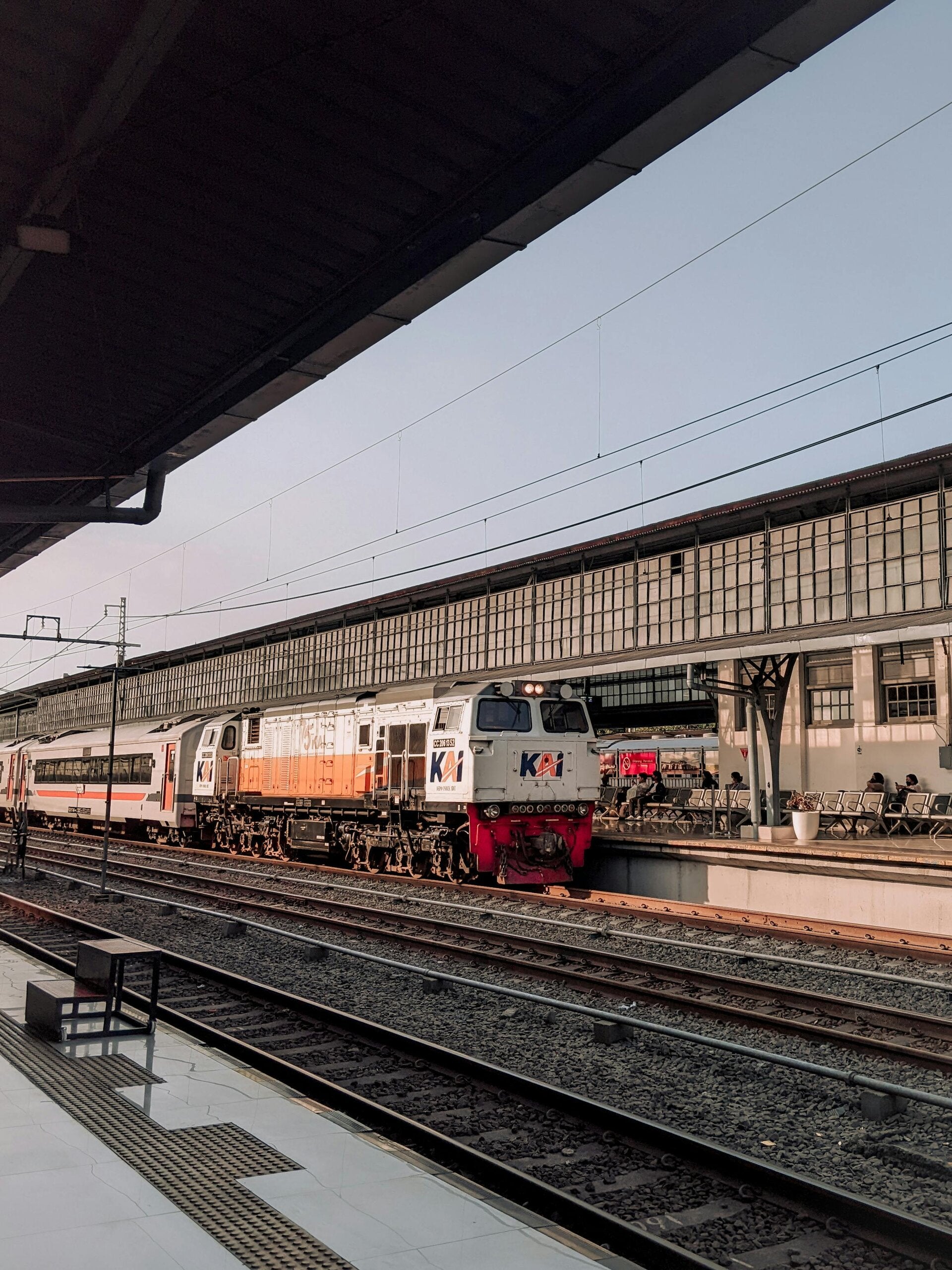
State governments form the operational backbone of infrastructure delivery across the continent. Their authority and management encompass major highways and arterial roads, extensive rail networks, public transport systems, working ports and logistics hubs, targeted regional infrastructure programs, and comprehensive planning and zoning frameworks.
Victoria transport infrastructure, public transport, roads, rail and mobility systems — verified actual investment and infrastructure intelligence.
2023–24 Transport investment: $20 billion+
Verified actual expenditure underpinning major state transport infrastructure, arterial road networks, and key regional mobility investment programs.
2024–25 Transport investment: $22 billion+
Verified funding allocations dedicated to comprehensive road maintenance, rail corridor modernisation, public transit enhancements, and network upgrades.
2025–26 Transport investment: $24 billion+
Committed investment targeting automated signalling, rapid metro transit, heavy rail expansions, and high-capacity freight bypass links.
Long-term mobility pipeline: $100 billion+
Verified multi-year project portfolio securing sustainable multimodal transport, sovereign supply corridor integration, and connected suburban mobility hubs.

Federal leadership and national integration
The federal department leads strategic direction across nationwide transport corridors, interstate rail links, and national freight corridors. It administers airport and maritime port regulation, guides national infrastructure funding priorities, and coordinates long-range digital, communications, and national utilities interfaces.
National transport infrastructure, freight networks, roads, rail and mobility systems — verified actual federal investment portfolio.
2023–24 Infrastructure investment: $17 billion+
Verified actual expenditure dedicated to federal transport corridors, key arterial links, freight modernization, and regional connectivity programs across the commonwealth.
2024–25 Infrastructure investment: $20 billion+
National transport infrastructure commitments prioritizing rail logistics lines, smart highway integrations, and major interstate freight networks.
2025–26 Infrastructure investment: $22 billion+
Projected federal transport allocations underpinning integrated intermodal freight terminals, port supply pipelines, and advanced automation assets.
National freight & logistics pipeline: $120 billion+
Ten-year guaranteed sovereign transport network pipeline safeguarding high-capacity road corridors, heavy rail links, and resilient regional freight supply routes.
Problems (including manufacturing, robotics, AI gaps)
-
Fragmented planning across Local–State–Federal
-
Project overruns and delays
-
Under‑investment in freight and logistics
-
Weak integration with manufacturing precincts
-
Limited use of robotics and automation in construction and maintenance
-
Patchy digital infrastructure (regional and remote)
-
No unified national infrastructure pipeline
-
Poor resilience to climate and disaster events
-
Over‑reliance on foreign technology and components
-
Slow adoption of smart infrastructure and AI systems

Basic
Policy changes (Australians Unified)
Australians Unified will introduce:
-
National Infrastructure & Sovereign Capability Act
-
Unified national pipeline for transport, energy, digital, and logistics
-
Integration with manufacturing, defence, and agriculture precincts
-
Sovereign capability requirements for key components and systems
-
-
Smart Infrastructure & Automation Program
-
Robotics and automation in construction, maintenance, and inspection
-
AI‑enabled traffic, freight, and asset management
-
-
Regional Connectivity Guarantee
-
Minimum digital and transport standards for all regions
-
Targeted investment in remote and regional corridors
-
-
Major Projects Reform
-
Transparent timelines and cost dashboards
-
Performance‑based contracting and delivery rules
-

Professional
Unified reforms
-
National Infrastructure Coordination Hub (Local–State–Federal)
-
Integrated transport–manufacturing–logistics corridors
-
Smart ports, rail, and road networks with automation and AI
-
Unified digital backbone (supporting health, education, industry, defence)
-
Climate‑resilient infrastructure standards
-
Regional capability uplift through targeted corridors and hubs
-
Sovereign technology and component pipelines for critical systems

Business
Delivery plan
Use a collapsible block:
Short‑term
-
Publish national infrastructure pipeline and coordination maps
-
Begin major projects transparency reform
-
Identify priority corridors for manufacturing and logistics
-
Start regional connectivity upgrades
Medium‑term
-
Implement Infrastructure Coordination Hub
-
Deploy smart infrastructure pilots (ports, rail, roads)
-
Integrate automation and robotics into maintenance programs
-
Align infrastructure investment with defence, industry, and agriculture precincts
Long‑term
-
Fully integrated national infrastructure system
-
Smart, AI‑enabled transport and logistics networks
-
Resilient, climate‑ready infrastructure
-
Strong sovereign capability in critical infrastructure technologies

Enterprise
Budget
Federal: National corridors + ports + airports + digital backbone + smart infrastructure + coordination hub
State: Roads, rail, public transport, regional infrastructure, logistics hubs
Local: Local roads, community facilities, basic utilities interfaces, local planning and approvals
Infrastructure outcomes are strongest when Federal, State and Local Governments work together. The Federal Government provides strategic vision and funding, State Governments deliver major networks and projects, and Local Governments connect infrastructure directly to communities. Together, these investments support mobility, productivity, resilience and long-term prosperity across Australia.
FAQ
Why is infrastructure central to Australia’s growth? It underpins transport, logistics, energy, digital access, and national capability.
How will AU link infrastructure to manufacturing and industry? By planning corridors and hubs around precincts and sovereign capability needs.
How will AU use robotics and AI in infrastructure? Through smart infrastructure programs for construction, maintenance, and asset management.
How will AU fix regional connectivity? With a Regional Connectivity Guarantee and targeted corridor investment.